
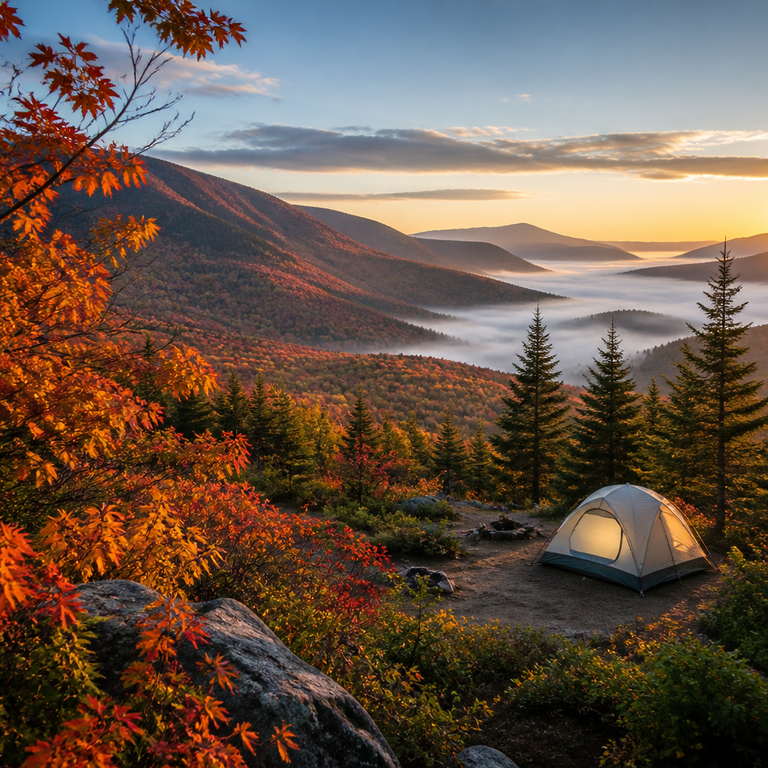
Most people pack for Vermont fall camping like it's still August. They bring a light fleece, forget the rain shell, and have no plan whatsoever for keeping their drinks cold once the sun drops behind the ridge. If you're heading into the Green Mountains this autumn, that oversight will cost you. Fall camping in Vermont is genuinely one of the best outdoor experiences the Northeast has to offer, but it rewards preparation and punishes people who treat it like a summer trip with different leaves. The right gear, the right campsite, and yes, the right can insulator make the difference between a memorable weekend and a miserable one.
Table of Contents
- Why Fall Is the Best Time to Camp in Vermont
- Quick Takeaways
- Where to Camp in the Green Mountains This Autumn
- Cold-Weather Layering: What Actually Works at Elevation
- Keeping Your Drinks Cold When the Air Already Is
- Campfire Drinks, Timing, and Temperature
- Can Insulator Comparison: Foam vs. Neoprene vs. Hardwood
- Leave No Trace Specifics for Vermont Autumn Camping
- Frequently Asked Questions
- References
Why Fall Is the Best Time to Camp in Vermont
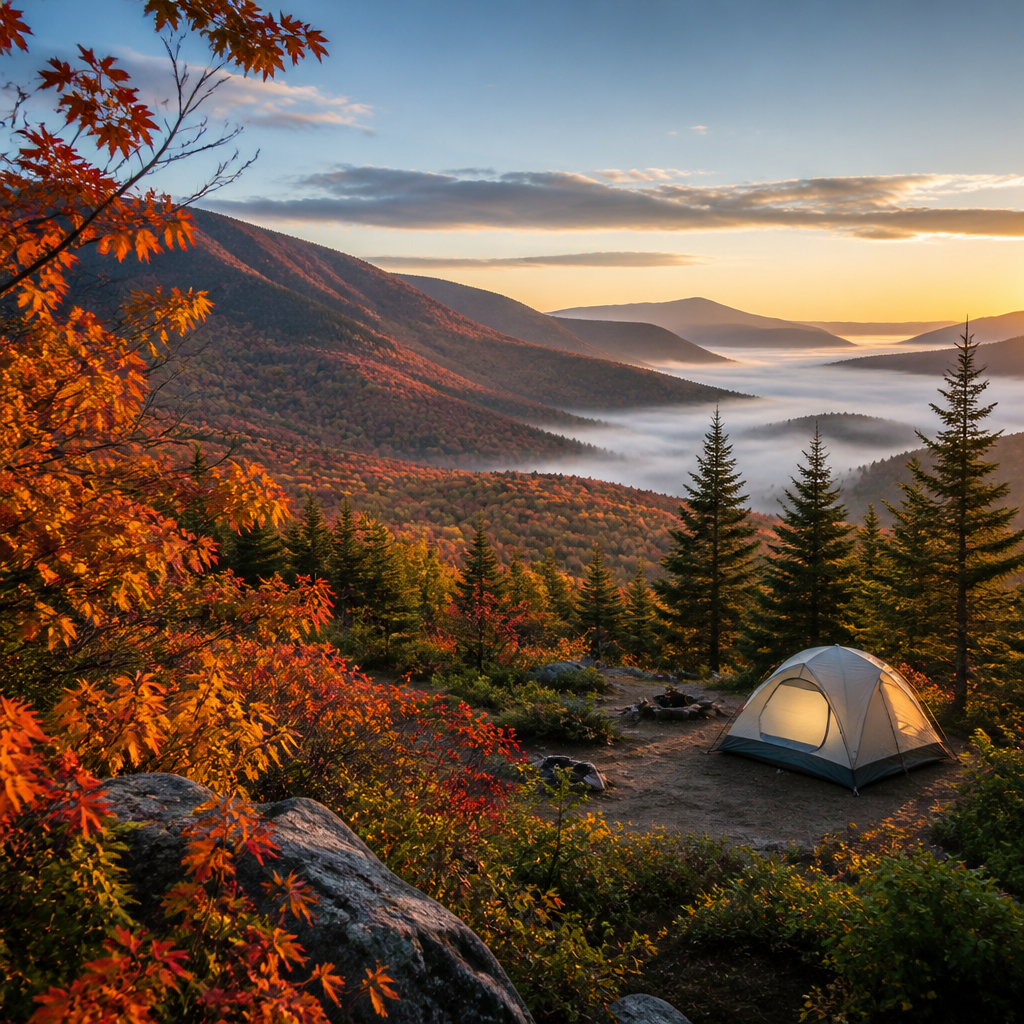
Vermont's foliage season typically begins in mid-September and extends through mid-October, with timing that shifts by elevation and region. Higher-elevation terrain in the Green Mountains tends to peak earlier, while valley campgrounds and lower-lying sites hold their color longer into October. What that means practically: if you pick the right week and the right campground, you can sit at a high-elevation site with peak foliage all around you, zero crowds, and cooler temperatures that make hiking feel effortless.
Fewer bugs is a serious advantage that doesn't get enough credit. Summer camping in Vermont means bug nets, DEET, and the kind of mosquito density that makes sitting still unpleasant. By late September that's mostly over. You can sit at a picnic table with a cold drink and just watch the light change on the hillside without slapping anything. That is the fall camping Vermont experience at its best.
Foliage progression matters for planning. Vermont's Northeast Kingdom typically turns first, peaking two to three weeks before southern Vermont. The higher elevations of the Green Mountain National Forest begin showing peak color in late September to early October. If you're targeting true peak color from a campsite, aim for late September at elevation or the first two weeks of October in the valleys.
Quick Takeaways
| Key Insight | Explanation |
|---|---|
| Book early or go dispersed | Vermont's mountains draw serious crowds every October. National Forest campgrounds like Grout Pond and Hapgood Pond fill up, and many Vermont State Park campgrounds close after Labor Day. Check availability well in advance or plan a dispersed backcountry camp. |
| Elevation changes everything | A campsite at 2,500 feet can be 15 to 20 degrees colder than the valley at night. Gear rated for summer camping will leave you cold and miserable by midnight. Bring a 20-degree sleeping bag minimum. |
| Cold air does not keep your beer cold | Ambient air temperature fluctuates constantly at a campsite. A can left on a table will warm up in your hand long before you finish it. An insulator keeps the temperature stable from first sip to last. |
| Hardwood insulators outperform foam in rugged conditions | Dense hardwood like Vermont sugar maple provides real thermal resistance, not just a thin foam barrier. It also survives drops on rocky ground that foam or neoprene cannot. |
| Hydration affects warmth | Drinking regularly in cold weather helps regulate your body temperature. Pack an insulated bottle for water and a durable can insulator so you actually finish your cold drinks before they warm up or go flat. |
| Timing your cold drink window | The sweet spot for a cold beer or seltzer at a Vermont fall camp is the first hour after a long hike, before the temperature drops hard after sunset. Plan accordingly and chill your cans in the stream if you have access. |
| Eco-conscious gear belongs in this setting | The Green Mountains are a working forest managed for sustainability. The gear you bring should reflect the same values. Fully biodegradable accessories made from local hardwood are a natural fit for this environment. |
Where to Camp in the Green Mountains This Autumn
The Green Mountain National Forest is managed by the U.S. Forest Service and contains multiple campgrounds across its northern and southern districts. Grout Pond Recreation Area, located in Stratton, Vermont, is one of the standout fall camping destinations. It sits at a pond surrounded by red maple, yellow birch, and red spruce, and fall foliage viewing there is consistently excellent. The campground has roughly 18 sites, and because it's primarily a summer hotspot, autumn weekdays are remarkably uncrowded. Paddling in by canoe and camping waterside is possible and worth the logistical effort.
Hapgood Pond Recreation Area in the southern district of Green Mountain National Forest is another strong option. The sites are set in forest and provide solid foliage views without the elevation exposure that makes some higher camps brutally cold in October. For dispersed camping, the national forest allows it at no fee provided you follow Leave No Trace principles and limit your stay to 14 days in any 30-day period.
Moosalamoo Campground in the northern district is known for large sites and direct access to an extensive trail network, making it ideal if you plan to hike hard every day and return to a comfortable base. The trails connect through second-growth hardwood forest that turns spectacularly in mid-to-late September at that elevation.
Pro tip: Many Vermont State Park campgrounds close after Labor Day, but some stay open into October specifically for leaf-peeping season. Call ahead. The ones that remain open often have hot showers and flush toilets, which matters a lot when overnight lows are in the 30s.
Cold-Weather Layering: What Actually Works at Elevation
Vermont fall nights at elevation are legitimately cold. Overnight lows in the Green Mountains can drop into the 30s by late September and dip below freezing by mid-October at higher elevations. Packing for those conditions is not about bringing more stuff. It's about bringing the right layers in the right order.
The Layer Stack That Works
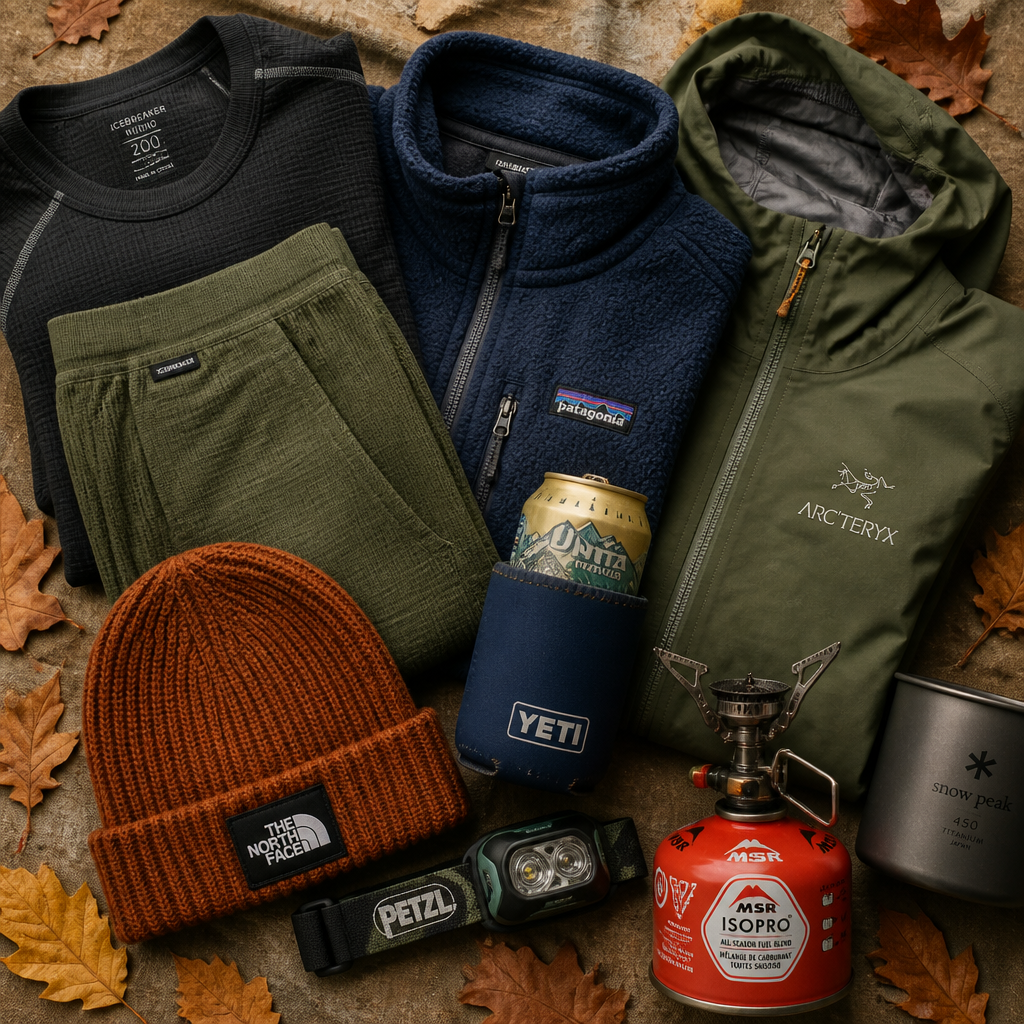
Start with a moisture-wicking base layer, either wool or synthetic. Wool is better for sustained cold because it retains warmth even when damp, which matters on a Vermont morning when fog rolls in before the sun clears the ridge. Avoid cotton entirely. Cotton absorbs moisture and holds it against your skin, and wet cotton in 40-degree air is how a fun camping trip becomes a hypothermia risk.
The mid-layer is where most people underpack. A fleece or synthetic insulated jacket is not optional, it's the engine of your warmth. On top of that, a wind and water-resistant shell handles the damp, cold air that settles into Vermont valleys by evening. Wool socks, a warm hat, and gloves round out the stack. Pack extras of all of these. Fall camping can be wet, and backup layers are not luxury items.
Sleeping Warm at a Vermont Fall Camp
A sleeping bag rated to 20 degrees is a reliable floor for Green Mountains camping in October. Pair it with a closed-cell foam pad under your sleeping pad, because ground insulation is one of the most important factors in staying warm overnight. The cold earth pulls heat out of your body faster than cold air does. Double-padding is not overkill at elevation.
The difference between a miserable Vermont autumn camp and a great one usually comes down to three things: sleeping warm, staying dry, and having a reason to sit around the fire after dinner. The right gear handles the first two. The right drink handles the third.
Keeping Your Drinks Cold When the Air Already Is
This is the part most camping guides skip over because they assume cold air equals cold drinks. It doesn't. Your hand transfers heat into a bare aluminum can within minutes. The ambient temperature at a campsite fluctuates constantly as you move between sun and shade, fire and open air. A can left sitting on a camp table while you eat will be warm and flat by the time you get to it.
The fix is a can insulator for camping that actually holds up to the environment. Foam sleeves compress, absorb water, and disintegrate after a season of real use. Neoprene is better but has its own problems: it doesn't handle hard impacts well, and after a few camping trips it develops a smell that doesn't wash out cleanly. What works long-term is dense hardwood.
The TreeSleeve from Better Wheel VT is crafted from solid Vermont hardwood, the same sugar maple, yellow birch, and white ash that grow slowly in the cold northeastern climate. Slower growth means denser grain, which creates measurable thermal resistance. In practice, that tight-grained hardwood slows heat transfer from your hand and the surrounding air into the can more effectively than a thin foam or neoprene barrier. It also survives being dropped on rocky ground, knocked off a camp table, and tossed into a pack without damage.
Pro tip: On a cold autumn morning at camp, a can of sparkling water or a light lager pulled from your cooler and slipped into a hardwood TreeSleeve will stay at drinking temperature through an entire trailhead breakfast. The insulation works in both directions: it slows warming just as effectively as it slows cooling.
Campfire Drinks, Timing, and Temperature
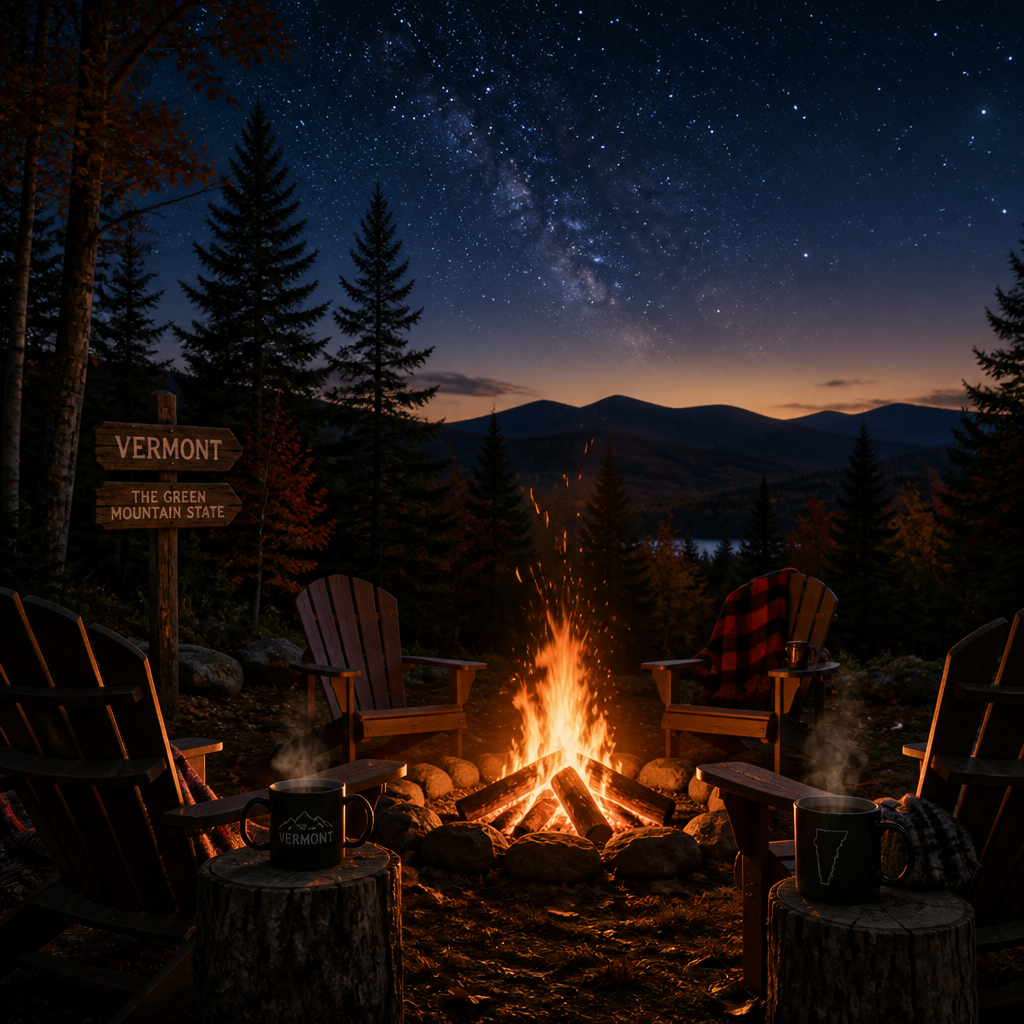
Autumn camping in Vermont creates a very specific window for cold drinks, and missing it is a rookie move. After a long hike through peak foliage, your core temperature is elevated and a cold beer or hard seltzer is genuinely refreshing. That window lasts about an hour after you get back to camp. Once you've settled in, the temperature drops, the fire goes up, and your drink preferences shift toward something warm.
Working with the Temperature Swing
Vermont fall days can be warm at lower elevations, even in October. Daytime trail temperatures while hiking in the sun might feel like summer. But the moment you stop moving and the sun drops toward the tree line, you'll feel the cold air settling into the valley fast. That swing can be 25 to 30 degrees between afternoon and late evening.
The practical implication for drinks: keep your cold beverages accessible and insulated for the post-hike window, then transition to hot drinks once the fire is going. A good camp setup includes a cooler with cold cans (kept shut as much as possible to maintain temperature), a can insulator for the moment you crack one open, and a camp stove or grill grate over the fire for hot drinks later. This two-phase approach to camp beverages is something experienced Vermont campers do instinctively.
Chilling Cans Naturally
Grout Pond and other Green Mountain waterways offer a free, low-tech cooling method: just put your cans in a mesh bag and set them in the water for 20 to 30 minutes. Stream water in Vermont in October is cold enough to chill a room-temperature can effectively. Once you pull a can from the water, an insulator becomes essential, because that rapid chill will reverse just as fast in your warm hand without one.
Can Insulator Comparison: Foam vs. Neoprene vs. Hardwood
Not all camping drink accessories are equal, and the choice of can insulator matters more in a rugged outdoor setting than it does at a backyard cookout. Here's a direct comparison across the three main materials you'll encounter.
| Type | Performance in Outdoor Conditions | Durability and Longevity |
|---|---|---|
| Foam (collapsible) | Minimal thermal resistance, compresses with hand pressure, loses insulating air pockets quickly | Poor. Tears, compresses permanently, degrades with moisture. Typically single-season lifespan with regular use. |
| Neoprene (wetsuit-style) | Better than foam, good flexibility, but absorbs odors and degrades with UV exposure over time | Moderate. Survives 2 to 3 seasons with care, but not impact-resistant and tends to retain moisture in wet conditions. |
| Solid Hardwood (TreeSleeve) | Dense grain provides real thermal resistance. Keeps hand warmth from reaching the can. Works equally well in sun, shade, and damp conditions. | Excellent. Hardwood survives drops, rough handling, and years of outdoor use. Fully biodegradable at end of life. Made from sustainably sourced Vermont forest material. |
The hardwood option wins in a camping context for one clear reason beyond thermal performance: it doesn't fail. Foam insulators are single-use-grade in practice. Neoprene works but it's not built for impact. A solid hardwood can insulator survives being dropped on a boulder, packed in a bag full of gear, and used trip after trip without degrading. For the kind of autumn outdoor adventure Vermont delivers, that durability matters.
Leave No Trace Specifics for Vermont Autumn Camping
The Green Mountains see heavy visitation every October. The foliage crowds are real, and the impact on trails and campsites compounds every year. Responsible fall camping in Vermont means going beyond the basics of packing out your trash.
Stay on durable trail surfaces, especially during the wet, muddy conditions that autumn rain creates. Soft ground in Vermont after rain tears easily, and widening trails to avoid mud creates lasting damage to the root systems of the very trees producing the foliage you came to see. If the trail is muddy, walk through it, not around it.
Dispersed camping in Green Mountain National Forest requires staying at least 200 feet from water sources, trails, and roads. Food storage is critical. Black bear activity in Vermont increases in autumn as bears build fat reserves before hibernation, so use a bear canister or hang your food properly. This is not a theoretical concern in the Green Mountains in October.
The gear you bring into this environment should reflect the same values the forest represents. A fully biodegradable can insulator made from sustainably sourced Vermont hardwood is not a marketing claim, it's a logical choice for someone who genuinely cares about the places they camp. When the TreeSleeve reaches the end of its usable life, it returns to the earth the same forest it came from produced. That's a straightforward value alignment that foam and neoprene cannot claim.
Pro tip: Pack a small reusable bag specifically for microtrash: the foil from energy bar wrappers, bottle caps, twist ties, and the other small debris that ends up on the ground at campsites. It takes up no space and eliminates one of the most common sources of campsite litter in high-traffic Vermont fall camping areas.
Frequently Asked Questions
When is the best time for fall camping in Vermont's Green Mountains?
Late September through the first two weeks of October is the prime window. Higher-elevation campgrounds in the Green Mountain National Forest peak earlier, often in the last week of September, while lower valley sites tend to hold peak color into early October. Weekdays at any point in this window will be significantly less crowded than weekends, which see serious visitation pressure throughout October.
What temperature should I expect at a Green Mountains campsite in October?
Overnight lows at elevation can drop into the 30s by late September and reach near-freezing or below by mid-October. Daytime highs while hiking can feel warm, especially in direct sun at lower elevations. Plan your gear for the overnight lows, not the daytime comfort level. A sleeping bag rated to 20 degrees with a quality ground pad is the reliable baseline for October Green Mountains camping.
Does a can insulator actually help when the air is already cold?
Yes, and arguably more so than in summer. Cold air temperature at a campsite fluctuates constantly between sun and shade, and your hand transfers significant warmth into a bare can within minutes. An insulator stabilizes the can's temperature against both hand heat and ambient swings, so you're not racing to finish a drink before it warms up. This matters especially in the post-hike window when you want a cold drink to stay cold through a full pour or sip-by-sip pace.
Are campfires allowed at Green Mountain National Forest campgrounds in autumn?
Campfires are generally permitted at designated campgrounds within Green Mountain National Forest, but conditions and fire restrictions can change based on drought conditions. Always check with the local ranger district before your trip. For dispersed camping, use a portable stove when possible and be conservative with open fires in leaf-heavy autumn conditions, especially during dry spells. Dead and downed wood is the only material approved for campfires on national forest land.
Why choose a wooden can insulator for camping over a foam or neoprene one?
Durability and real thermal performance are the two reasons that matter in a camping context. Foam insulators compress under hand pressure and fail after a season of genuine outdoor use. Neoprene is better but absorbs odors, degrades with UV exposure, and doesn't handle impacts well. A solid hardwood insulator like the TreeSleeve provides measurable thermal resistance through the density of its grain, survives drops on rocky ground, and lasts for years of camping trips. For outdoor enthusiasts who value both performance and sustainability, hardwood is the clear choice.
Can I find good camping spots in the Green Mountains without a reservation?
Yes, through dispersed camping on national forest land, which requires no permit and no fee. You must follow Leave No Trace guidelines, camp at least 200 feet from water sources, trails, and roads, and limit your stay to 14 days in any 30-day period. For developed campgrounds like Grout Pond or Hapgood Pond, reservations are strongly recommended for October weekends, as these fill well in advance during peak foliage season.
What are the best drinks to bring for fall camping in Vermont?
Cold-to-warm sequencing works best. Bring cold cans of your preferred beer, hard seltzer, or sparkling water for the post-hike window when your body temperature is elevated and a cold drink is genuinely welcome. Once the fire is going and the temperature has dropped, shift to hot drinks: coffee, tea, or cocoa made on a camp stove. Vermont craft beer in cans is a natural fit, and a hardwood TreeSleeve keeps those cans at drinking temperature long enough to actually enjoy them without rushing.
Have a fall camping spot in Vermont you love, or a drink setup that works particularly well in the field? Share your experience in the comments below.
References
- First-hand fall camping guide to Grout Pond and Green Mountain National Forest in autumn
- Practical fall camping tips including hydration, layering, and cold-weather gear advice
- Vermont foliage season timing, campground information, and regional color-change guide
- When Vermont fall foliage peaks by region and elevation, including Green Mountains timing
- Why Vermont hardwood makes the TreeSleeve a superior can insulator for outdoor use
Share:
10 Unique Gifts for Outdoor Enthusiasts That Give Back
Custom Can Insulators: The Eco-Friendly Gift People Keep