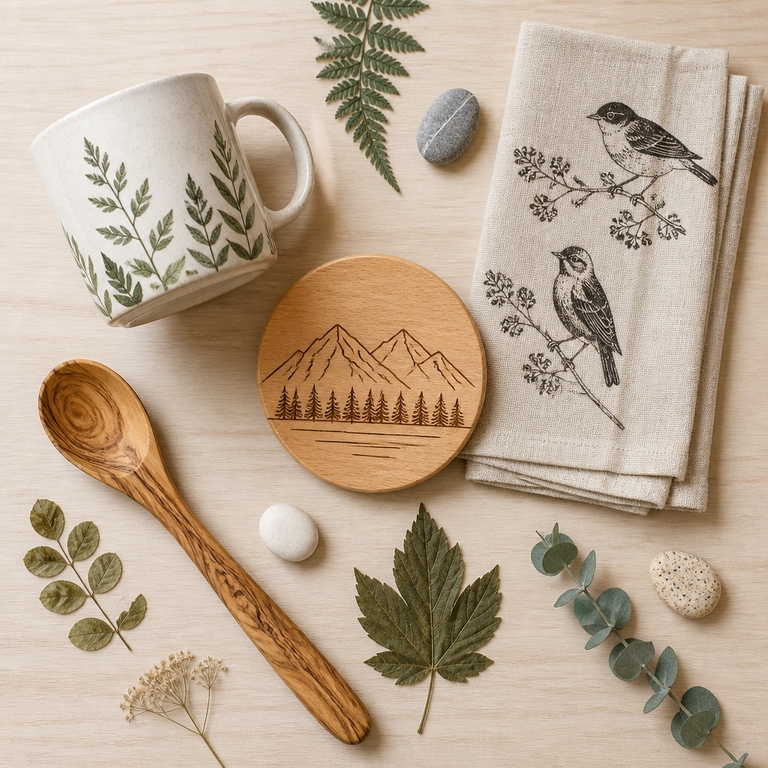
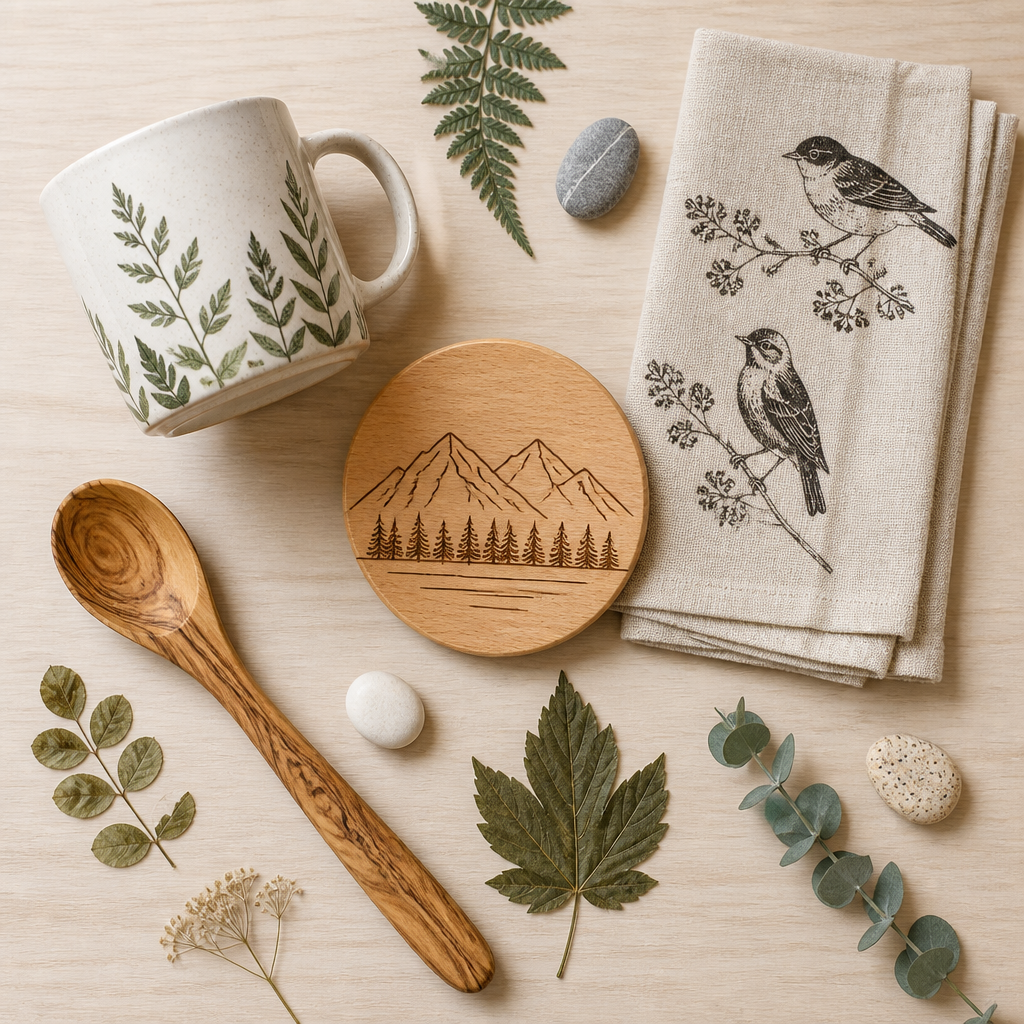
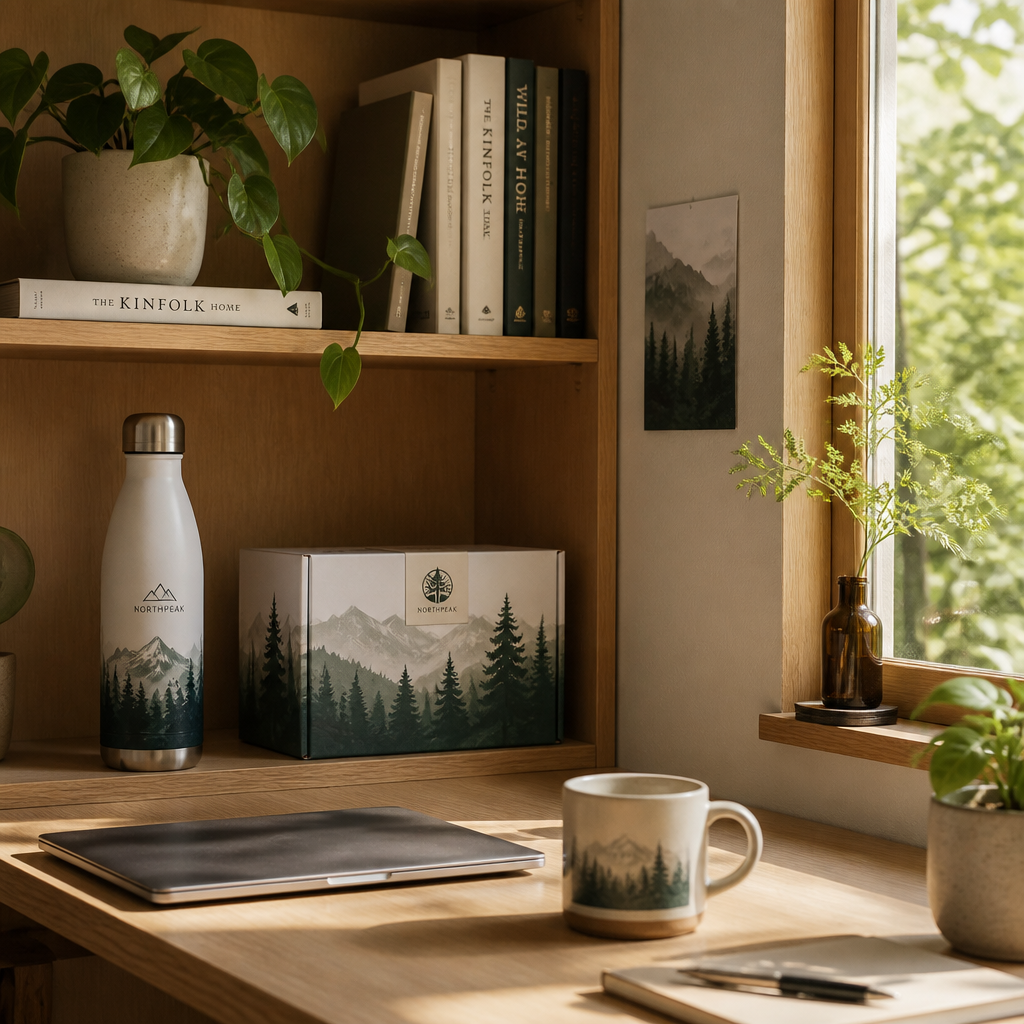
Pick up any object in your home right now and count how many of them feature a leaf, a mountain, a bird, or a grain of wood. The number is rarely zero. Nature design products are everywhere, from kitchen textiles to drinkware, and most people treat them as purely decorative choices. They are not. Research consistently links exposure to natural imagery and materials to measurable reductions in stress, improvements in mood, and a stronger sense of well-being. The outdoor motif on your can insulator is not just art. It is doing something to you, quietly, every time you reach for it.
Table of Contents
- Quick Takeaways
- Why Nature Motifs Work: The Science Behind the Pull
- Outdoor Motif Gifts and the Psychology of Giving Nature
- Material Matters: Why Wood Outperforms Plastic in Nature Design
- How to Connect with Nature Every Day Through the Objects You Choose
- Comparing Nature Design Approaches: Motifs, Materials, and Meaning
- Frequently Asked Questions
- References
Quick Takeaways
| Key Insight | Explanation |
|---|---|
| Biophilia is hardwired, not trendy | Humans have an innate affinity for natural forms and living organisms. Nature motifs on everyday objects tap directly into this biological response, not just aesthetic preference. |
| Visual nature exposure works even without being outdoors | Research shows that people receive attention-restoration benefits from nature imagery even when they are not consciously aware of the stimuli, meaning a well-designed object does its work passively. |
| Material authenticity amplifies the effect | A nature motif printed on natural wood carries a fundamentally different sensory weight than the same image on plastic. Texture, grain, and scent all reinforce the connection. |
| Outdoor motif gifts signal shared values | Giving a nature-themed gift communicates that you understand the recipient's relationship with the outdoors. It is an identity signal as much as a functional object. |
| Biodegradability extends the message | A product that returns to the earth reinforces the nature connection at the end of its life cycle, not just during use. It makes the environmental value tangible rather than theoretical. |
| Wildlife motifs carry stronger emotional recall | Specific animals, particularly those associated with wild habitats (moose, bear, eagle, trout), evoke place-memory and personal outdoor experiences far more effectively than abstract nature patterns. |
| Everyday touchpoints compound over time | Using a nature-designed object multiple times daily creates repeated micro-moments of connection. This is more sustainable psychologically than a single long outdoor excursion each weekend. |
Why Nature Motifs Work: The Science Behind the Pull
The concept underpinning all of this is biophilia, the idea that humans have a deep, innate love for nature and living systems. The term entered mainstream discourse through biologist Erich Fromm in 1964, and decades of subsequent research have built a substantial case that this is not a soft philosophical claim but a documented psychological reality. People are calmer around natural elements. Their stress markers drop. Their focus returns. And crucially, this effect does not require a forest trail. It shows up with natural imagery on a screen, on a wall, and on the objects people handle.
What makes nature design products particularly effective is that they operate in the background of daily life. You do not sit down to "experience" your can sleeve. You use it while camping, at a backyard fire, at a festival. The wildlife carving or mountain silhouette registers at a peripheral level, and that is exactly where restoration theory suggests nature cues do their best work.
"Vitality, positive affect, and life satisfaction all have a strong relationship with nature connectedness. Interestingly, participants do not necessarily have to be consciously aware of the restorative environmental stimuli to obtain the benefits."
This is a critical point for anyone choosing gifts or products. The design does not need to be the loudest thing in the room to be effective. A subtle moose etching on a hardwood can insulator does more psychological work than a screaming neon logo, precisely because it communicates through texture and image rather than demanding attention.
Stress Reduction as a Design Outcome
Exposure to nature elements, including natural materials, earthy colors, and imagery of forests, water, and wildlife, has been shown to lower stress levels and promote a sense of calm. This is not anecdotal. Studies have documented reductions in physiological stress markers when people are placed in biophilic environments, and researchers have found that even viewing nature-inspired elements in a room produces calming effects on blood pressure and skin conductance.
The practical implication for outdoor enthusiasts is straightforward. A product you carry to a trail, a campsite, or a lake that also features nature design is doing double duty. The environment is already doing its restorative work. The object reinforces and extends that experience back into everyday life.
Pro tip: When choosing a nature design product as a gift, prioritize designs that reference a specific environment the recipient loves, a particular animal they care about, a forest type they hike in. Specificity amplifies the emotional resonance far beyond a generic "outdoor" pattern.
Outdoor Motif Gifts and the Psychology of Giving Nature
Choosing an outdoor motif gift is a statement about how well you know someone. Generic gifts signal effort without understanding. A nature-themed product that matches someone's actual outdoor identity, whether that is fly fishing, trail running, birding, or backcountry camping, tells them you paid attention. That gap in thoughtfulness is exactly where products like the TreeSleeve from Better Wheel VT sit, because the design is not chosen arbitrarily but tied to real Vermont wilderness imagery.
The gifting psychology here works in two directions. For the giver, selecting a nature-designed object communicates shared values around the outdoors and the environment. For the recipient, receiving something made from sustainably sourced hardwood with a wildlife or forest motif creates an immediate narrative. Every time they use it, it carries that story.
Why Wildlife Motifs Resonate Beyond Decoration
Specific wildlife imagery, moose, bear, eagle, trout, elk, triggers something more visceral than abstract geometric patterns that gesture at nature. These animals are associated with place memory. Someone who has watched a moose cross a stream at dawn in Vermont does not see a moose image as decoration. They see a memory. That is the mechanism that makes outdoor motif gifts genuinely useful rather than ornamental.
Nature-themed gifts for outdoor enthusiasts also serve a practical function at the places where outdoor people actually spend time. Festivals, campgrounds, tailgates, lake docks. A beautifully crafted hardwood can insulator with a carved forest scene is not just a conversation piece. It is used, handled, seen by others. It travels into spaces where that nature connection is already active.
Pro tip: For eco-conscious shoppers, look beyond whether a product has a nature image on it. Ask whether the product itself was made from materials consistent with that image. A plastic sleeve printed with trees is a contradiction. A wood sleeve carved with trees is a complete statement.
Festival and Outdoor Event Gifting
Outdoor festivals and adventure-oriented events have created a specific gifting culture around functional objects that also carry identity. A can insulator at a music festival in the woods is not just a thermal tool. It is part of the way people present themselves in those spaces. Products with genuine natural materials and outdoor motifs fit naturally into this context in a way that mass-produced neoprene options simply cannot match.
Material Matters: Why Wood Outperforms Plastic in Nature Design
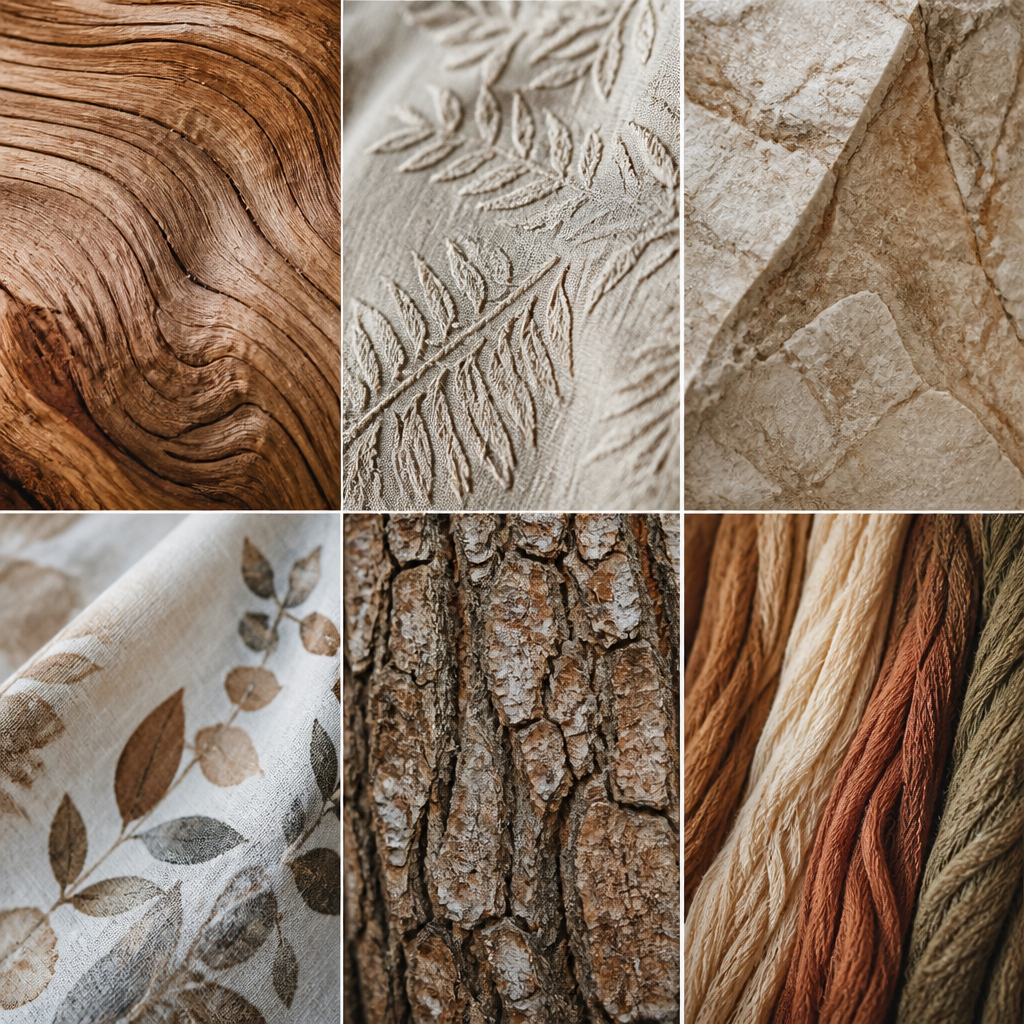
There is a meaningful difference between a product that depicts nature and a product that is made of it. Hardwood carries grain patterns, subtle texture, and natural variation that no manufactured material replicates. When you hold a wood product, you are already in sensory contact with a natural material, before you even register the design carved into it.
The biophilic design literature is clear on this. Natural textures and materials are not just aesthetically preferable to synthetic alternatives. They engage more of the sensory system. Touch is underrated in product design discussions dominated by visual aesthetics. A smooth, warm hardwood surface in your hand communicates something that polished plastic cannot.
Sustainably Sourced Hardwood and What That Actually Means
Sustainable sourcing is a claim that deserves scrutiny, and the difference between genuine sustainable harvesting and marketing language is significant. Vermont hardwoods, harvested from responsibly managed forests, come from ecosystems with long traditions of careful stewardship. The state's forests have been managed for generations to maintain canopy cover, biodiversity, and long-term timber health. A product made from that material is connected to a specific, real place, not an abstraction.
Biodegradability is the other material dimension that genuinely matters for eco-conscious buyers. A wood product that fully decomposes at the end of its life completes the nature cycle in a way that a plastic or foam insulator never can. The environmental argument is not just about what the product is made of, but what happens to it after use.
The Sensory Advantage of Natural Materials in Everyday Products
Nature-inspired accessories with tactile qualities engage the senses in ways that printed images on synthetic materials cannot. The grain of Vermont hardwood, the slight variation in color from piece to piece, the weight of a solid wood object in hand. These are design elements that no factory-stamped foam koozie replicates. For outdoor enthusiasts who spend time in real wilderness, that authenticity registers immediately and matters.
How to Connect with Nature Every Day Through the Objects You Choose
The challenge for people who love the outdoors but spend significant time indoors, which describes nearly everyone, is maintaining that sense of connection between actual outdoor experiences. Weekends on the trail or at the lake are finite. The objects around you during the rest of the week are a genuine, underused tool for bridging that gap.
Research on nature connectedness shows that reported vitality, positive affect, and life satisfaction all have strong relationships with how connected a person feels to the natural world. The question is practical. How do you sustain that connection on a Tuesday morning at your desk? The answer, at least partly, is through intentional object selection. Every touchpoint with a nature design product is a micro-moment of reconnection. These accumulate.
Building a Nature-Connected Object Environment
The goal is not to cover every surface with leaf prints. That is interior decoration, not intention. The goal is to choose functional objects you use repeatedly throughout the day that carry genuine natural design, whether through material, motif, or both. A hardwood can sleeve that you use every evening is more effective than a nature-themed picture frame you stop noticing after two weeks.
The most effective connect with nature everyday strategy is to anchor nature design to your existing habits. Drinking a beer after a hike is a habit. Reaching for a can at a campfire is a habit. A product that sits at exactly that intersection, functional, nature-motifed, made from real wood, reinforces the association between that daily moment and the natural world you care about.
Custom Designs as Personal Nature Anchors
Custom outdoor motif options let you embed a specific place or species into a functional object you use daily. This is not vanity customization. It is a direct application of the psychological principle that specificity drives emotional resonance. A generic moose graphic is pleasant. A custom carving of the ridge trail where you proposed, or the bird species that lives in your backyard, is meaningful. The object becomes a portable piece of the natural world you have actually experienced.
Comparing Nature Design Approaches: Motifs, Materials, and Meaning
Not all nature design products make the same claims or deliver the same experience. The differences between approaches are significant for buyers who care about authenticity.
| Approach | What It Offers | Where It Falls Short |
|---|---|---|
| Printed Nature Motif on Synthetic Material (e.g., neoprene foam koozies from customkoozies.com) | Low cost, wide color range, easy bulk ordering for events | No tactile nature connection, non-biodegradable, motif is surface-only with no material story behind it |
| Mass-Produced Plastic with Nature Graphics (e.g., generic branded drinkware) | Durable, widely available, brand-friendly for large runs | Plastic material directly contradicts the nature message, no artisan distinction, ends up in landfill |
| Sustainably Sourced Hardwood with Carved Outdoor Motifs (e.g., TreeSleeve by Better Wheel VT) | Authentic natural material, tactile experience, biodegradable, specific Vermont forest sourcing, wildlife and outdoor design options including custom | Higher price point than mass-produced alternatives, each piece varies slightly due to natural wood grain (a feature for some, an inconsistency concern for others) |
The comparison above is not subtle. For an eco-conscious buyer or an outdoor enthusiast who cares about authenticity, the choice between a printed neoprene sleeve and a sustainably harvested hardwood product with a carved moose is not really a comparison at all. They are different categories of object serving different purposes. One is a promotional item. The other is a considered purchase with a point of view.
Frequently Asked Questions
What are nature design products and why are they growing in popularity?
Nature design products are everyday functional items, drinkware, accessories, home goods, apparel, that incorporate natural imagery, wildlife motifs, organic materials, or outdoor themes into their design. Their growth reflects a documented shift toward biophilic preferences, the innate human pull toward natural elements. People spending increasing time indoors and in urban environments are drawn to objects that maintain their sense of connection to the natural world.
Do outdoor motifs on everyday objects actually affect mood or well-being?
Yes, and the effect is supported by research rather than just marketing claims. Studies on biophilic design show that exposure to natural imagery and materials reduces physiological stress markers, improves mood, and supports attention restoration. Importantly, researchers have found that people do not need to be consciously aware of the natural stimuli to receive these benefits. A well-chosen nature design object works passively in the background of your day.
What makes a wooden can insulator better than a neoprene one for outdoor enthusiasts?
The material itself is the first answer. Natural wood engages touch in a way that polished or textured foam does not. The grain, warmth, and weight of real hardwood communicate authenticity that a printed synthetic surface cannot replicate. Beyond sensory experience, a sustainably sourced hardwood insulator is biodegradable, connects to a specific forest ecosystem, and carries a design story that a mass-produced foam sleeve simply cannot. For anyone who spends serious time outdoors, the difference is immediately apparent.
How should I choose an outdoor motif gift for someone who loves nature?
Match the motif to the specific outdoor identity of the recipient, not a generic "nature lover" category. A fly fisherman and a backpacker and a birder all love the outdoors, but they will respond very differently to a carved trout versus an eagle versus a forest silhouette. Specificity is what elevates an outdoor motif gift from pleasant to meaningful. Also consider whether the product material supports the nature theme. A wood product carved with wildlife is a complete statement. A plastic bottle with a tree decal is a contradiction.
Can nature design products replace actual time in nature?
No, and they should not be positioned that way. Direct nature contact, time in forests, on water, in open air, produces benefits that no object can replicate. What nature design products do is sustain connection between those experiences. They are bridging tools for the hours and days between actual outdoor time, not substitutes for it. Used intentionally, they make your existing relationship with nature more present in your daily routine.
What should eco-conscious shoppers look for when buying nature-themed gifts?
Look past the motif and evaluate the material. Is the product itself made from natural, renewable, or sustainably sourced material? Does the company provide transparency about where its materials come from? Does the product biodegrade at the end of its life? A nature motif on a non-biodegradable product made from petroleum-based materials is marketing, not commitment. Products like the TreeSleeve, made from Vermont hardwood with documented sustainable sourcing, close the gap between the image on the product and the values behind it.
Are custom outdoor motif products worth the higher cost compared to generic options?
For gift-giving, yes, decisively. The psychological research on specificity and emotional resonance is clear. A gift that references a specific animal, landscape, or outdoor experience the recipient has actually had carries far more meaning than a generic outdoor graphic. Custom wood-carved insulators and similar products become keepsake objects rather than disposable ones, which also means they deliver more use-cycles per dollar than cheaper alternatives that get discarded. The unit economics change when you factor in actual useful life.
What outdoor motifs or natural materials do you reach for most in your everyday objects, and do you notice them affecting how you feel during your day?
References
- Biophilia in design: how innate love of nature shapes product and interior aesthetics
- Research on nature connectedness, vitality, and psychological well-being from the National Institutes of Health
- The science behind nature-inspired design and its measurable impact on human happiness
- Biophilic design elements explained: how natural features create calming environments
- The biophilia hypothesis: humans' innate need to connect with nature and living organisms
Share:
10 Last-Minute Summer Gifts for Nature Lovers
August Outdoor Adventure Checklist: Pack Your TreeSleeve™