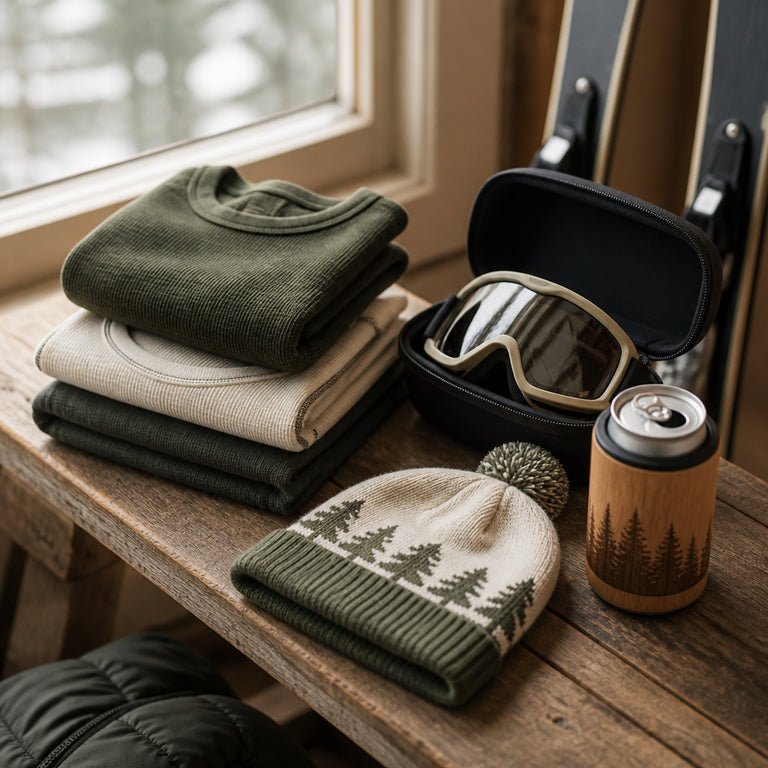
Every ski season starts with the same scramble: a half-packed bag, a helmet that is two seasons old, and a friend who wants to bring something useful to the lodge but has no idea what. If you are shopping for someone who lives for the first snowfall, the best window is before the season starts, not after. Vermont ski season gifts work best when they solve a real packing problem instead of just looking festive under the tree. This guide covers what to put on the list before the snow arrives, what to skip, and where a hardwood can insulator fits into the plan.
Table of Contents
- Quick Takeaways
- Why Pre-Season Shopping Beats the Holiday Rush
- Packing List Gifts Worth Giving
- Eco-Friendly Gifts for Skiers That Actually Get Used
- Hardwood Can Insulators After the Slopes
- Comparing Three Pre-Season Gift Approaches
- Budget and Timing for Ski Gifts
- Frequently Asked Questions
- References
Quick Takeaways
| Key Insight | Explanation |
|---|---|
| Order before the first snowfall | Shipping and custom production take time, so set your order deadline several weeks before the first trip. |
| Start with fit for protective gear | Helmets, goggles, and boots only make good gifts when you know the recipient's size and current model. |
| Use a real packing list | A ski weekend essentials list, such as the one Mount Snow publishes, gives you a checklist of items that get used every trip. |
| Choose reusable over disposable | Insulated mugs, bottles, and can insulators replace items the skier already buys, which makes them easy to use. |
| Bundle a main gift with an add-on | A small accessory keeps a gift from feeling thin and lets you ship one box instead of two. |
| Skip gag gifts and single-use items | Novelty items and disposable extras rarely make it past the first weekend in the lodge. |
Why Pre-Season Shopping Beats the Holiday Rush
The best ski gift is usually the one that gets used in the first week of the season. That means it has to arrive before the first real snowfall, when the lodge bag is packed and the car is loaded. Waiting until December turns a simple thoughtful purchase into a scramble through shipping cutoffs and out-of-stock notices.
Gift planning for Vermont's ski community starts earlier than most people expect. Ski Vermont's holiday gift guide was built around the partners and businesses that support the state's ski industry, which is a useful reminder that the shopping conversation begins well before the holidays. If you want a gift that shows up on opening weekend, start looking in October.
Buying Before the Good Options Sell Through
In practice, the popular colors, sizes, and designs are the first to go as the season approaches. A gift-giver who waits until the first cold week often finds that the one item they had in mind is gone. Buying early keeps your choices open and gives you time to compare options instead of settling.
Early shopping also protects you from the price spikes that come with last-minute demand. You do not need a bargain hunt to benefit. You just need enough time to pick the right item without rushing.
Gifts That Need Lead Time
Custom work is the first thing to order. A personalized can insulator with a wildlife motif or a custom design needs production time before it ships, so a request sent the week before opening day may miss the first trip entirely. Treat a custom order like a lift reservation: book it early and confirm the date.
The best ski gift is the one already packed in the bag when the first chairlift opens.
Pro tip: Put your order deadline on the calendar as a fixed date, then work backward to find the shipping cutoff. That one note prevents most of the last-minute mistakes.
Packing List Gifts Worth Giving
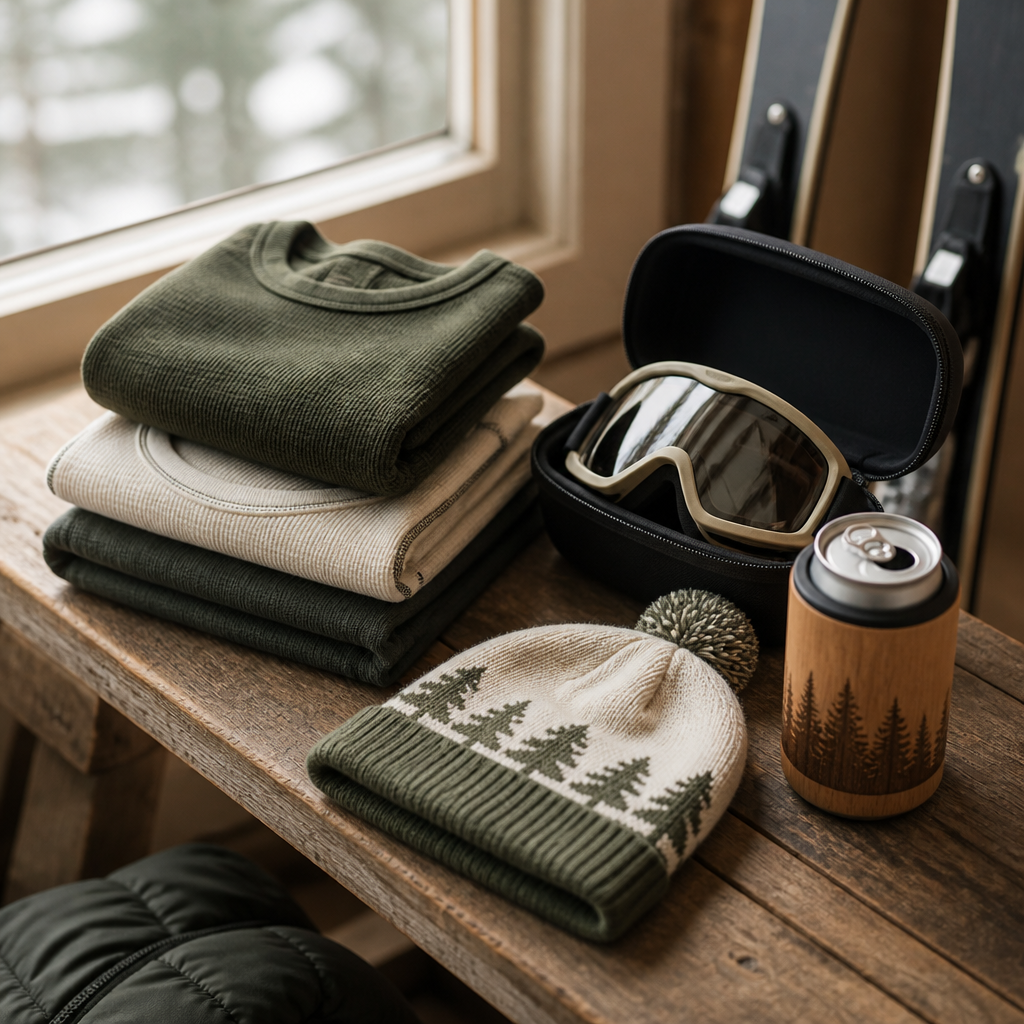
A useful packing list is the easiest shopping guide you will find. Mount Snow's own guide to packing for a ski weekend lists seven essentials, and it puts a helmet and goggles at the top of the list as a must-have. Using a list like that turns gift shopping into a practical decision, because the present solves a problem the recipient will actually face on the drive up.
The trick is to match each gift to something already in the bag. If you cannot picture the item being packed, it probably does not belong on your list.
Helmet and Goggle Upgrades
Goggle lenses and helmet liners are the gifts people underestimate. A lens that suits the light and snow conditions the person actually skis in, or a liner that dries quickly after a long day, can change the whole week. Check the recipient's current helmet fit and goggle type before you buy, because a mismatched size turns a good gift into a return.
If you do not know the recipient's size, skip the hard goods and give a gift card or an experience instead. A wrong helmet is worse than no helmet gift at all.
Layers and Warm Accessories
Base layers, neck gaiters, and wool socks are safe gifts when you know the size. The common mistake is buying a fashion piece that looks good in a store but fails on a cold chairlift. Choose function first, then add color.
Pick fabrics that breathe and dry fast. A layer that holds sweat against the skin is the fastest way to ruin a long day, and it is a gift the recipient will remember for the wrong reasons.
Lodge Bag Extras
The gear that comes out at the lodge is often overlooked. Insulated drink gear, a small hand warmer kit, and a reusable water bottle all earn a place in a lodge bag. These items are easy to give, easy to pack, and useful on every day of the trip.
Pro tip: Ask for the recipient's packing list or check what they wore last season before you buy helmets or goggles. A two-minute conversation prevents the most common size and fit returns.
Eco-Friendly Gifts for Skiers That Actually Get Used
Eco-friendly gifts have a reputation problem. Too many of them end up as novelty items that get used once and then forgotten. Jack and Jill Travel's eco-friendly gift guide for adventurers takes a useful stance on this, promising no single-use items or fad products and focusing on things the author actually uses. That standard works well for ski gifts too.
For skiers, the test is simple: will the item survive a season of cold, wet, and repeated use? Reusable items that replace disposable ones are the strongest picks, because they cut waste without asking the buyer to change their routine.
Reusable Hot Drink Gear
Thermoses and insulated mugs suit the chairlift and the trailhead. A skier who carries a hot drink up the mountain is less likely to buy paper cups at the base lodge. Pair a mug with a small bag of tea or cocoa and the gift covers both the cold and the waste problem.
Look for a lid that seals well and a body that fits a standard cup holder in a car. Those two details decide whether the mug gets used every morning or stays in the cupboard.
Refillable Bottles and Food Containers
Refillable water bottles and reusable food containers suit a full day in the snow. The best ones have wide openings so they clean easily in a lodge sink, and they fit a jacket pocket or a pack side pocket. Check the capacity against the recipient's usual day before you buy.
Avoid bottles with narrow spouts that trap moisture. They are harder to dry and tend to develop odors after a few weekends in a damp bag.
Packaging That Matches the Message
Gift wrap is where many eco-friendly gifts lose their point. Skip the glossy paper and disposable tissue, and use a plain cloth bag or a simple card instead. The product is the gift, so let the packaging stay quiet and useful.
Pro tip: When you read an eco-friendly claim, look for specifics such as materials, sourcing, and what happens at end of life. A vague word like "green" on a label tells you very little.
Hardwood Can Insulators After the Slopes
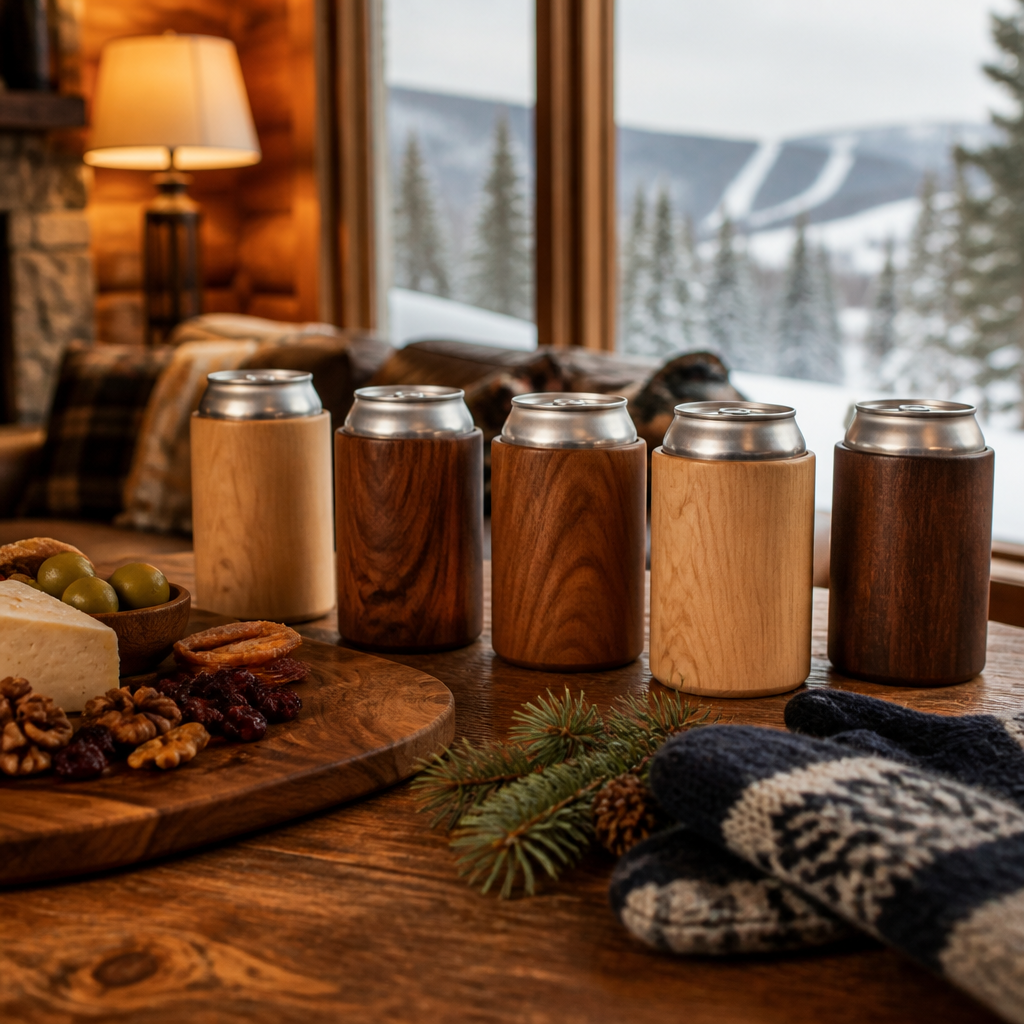
A hardwood can insulator is one of the few gifts that works at the lodge, on the tailgate, and on the gift-giver's own shelf. Better Wheel VT makes TreeSleeve from sustainably sourced hardwood from Vermont forests, and the product is fully biodegradable. For a ski crowd, the appeal is simple: it adds a comfortable, low-waste way to hold a can without adding plastic to the cooler.
The product fits the same logic as the reusable gear above. It replaces a disposable or foam sleeve that a drinker would otherwise toss after one evening.
Why Hardwood Feels Right in Cold Hands
Wood is a poor conductor of heat compared with metal. That is a general property of the material, and it is the reason we build the sleeve from hardwood. A skier with cold hands from a full day in gloves usually finds a wooden sleeve more pleasant to hold than a bare metal can.
The sleeve also gives a visual signal. A wooden piece with a clean finish looks at home on a lodge table, which is part of why it works as a gift rather than a utility item.
Designs for Mountain and Lodge Crowds
Outdoor themes and wildlife motifs suit a ski gift better than generic team logos. A recipient who hikes in summer and skis in winter can carry the same design through both seasons. Custom options let you match a group trip or a family theme, though those orders need the lead time we covered earlier.
Choose a design the recipient would display even when they are not on a mountain. That is the difference between a gift that gets used and one that gets tucked into a drawer after the first weekend.
Building a Bundle Around the Insulator
A can insulator works best as an add-on rather than the whole gift. Pair it with a reusable mug, a pack of hand warmers, or a trail snack for a bundle that costs less than a single technical jacket. It also works as a stocking stuffer, and it is a practical item for a group gathering after a day on the hill.
Keep the bundle small and focused. Three items that each solve a specific moment on the mountain feel more thoughtful than a box of loosely related extras.
Comparing Three Pre-Season Gift Approaches
Most ski gift shoppers choose between three paths: upgrading gear, giving an experience, or adding eco-friendly accessories. Each path has a different cost, lead time, and risk of missing the mark. The table below compares them on the trade-offs that matter most before the first snowfall.
| Gift Approach | Best For | Main Trade-off |
|---|---|---|
| Gear upgrade, such as a helmet liner or goggle lens | Skiers whose size, fit, and current model you already know | Fit and compatibility must be checked first, and a wrong size is hard to fix on short notice |
| Experience gift, such as a lesson, lift ticket, or lodge dinner | Friends and partners who want time together on the mountain | Dates must be booked early and can conflict with the recipient's schedule |
| Eco-friendly accessory, such as a hardwood can insulator or reusable mug | Gift-givers who want low-waste, everyday items that get used on every outing | Lower gift value on its own, so pairing it with a second item usually works better |
Choosing the Right Approach for the Recipient
If the recipient is a serious skier who keeps track of their own gear, an upgrade is the safest bet, as long as you have the exact size. If they are a casual skier or a new rider, an experience or an accessory is a better match, because it does not assume they know what they need.
For a group trip, the experience gift often beats individual items. Everyone shares it, and nobody has to guess sizes.
When a Single Item Is Enough
A single eco-friendly accessory works when the recipient already has the protective gear and needs something for the social side of the trip. It is a low-pressure gift that does not require a size check or a booking. Add a short handwritten note and it becomes a complete present.
Avoid stacking three different categories into one box. Two complementary items feel intentional, while three unrelated items usually feel like an afterthought.
Budget and Timing for Ski Gifts
Good ski gifts do not require a large budget. They require a clear idea of what the recipient already owns and when the gift needs to arrive. Set the budget first, then work backward from the first snowfall to pick your ordering deadline.
Setting a Realistic Budget
Split your budget into a main item and a small add-on. A main item that takes up most of the budget, plus a modest accessory, keeps the gift from feeling thin. Avoid spending the whole amount on one item the recipient may already own.
When a gear upgrade is out of reach, a small accessory plus a handwritten card still gives the recipient something real to use on the mountain.
Working Backward From Opening Day
Pick a delivery date at least a week before the first trip, then add shipping and any custom production time. Personalized items need the earliest order date. A calendar note with your deadline prevents the last-minute rush that defeats the purpose of pre-season shopping.
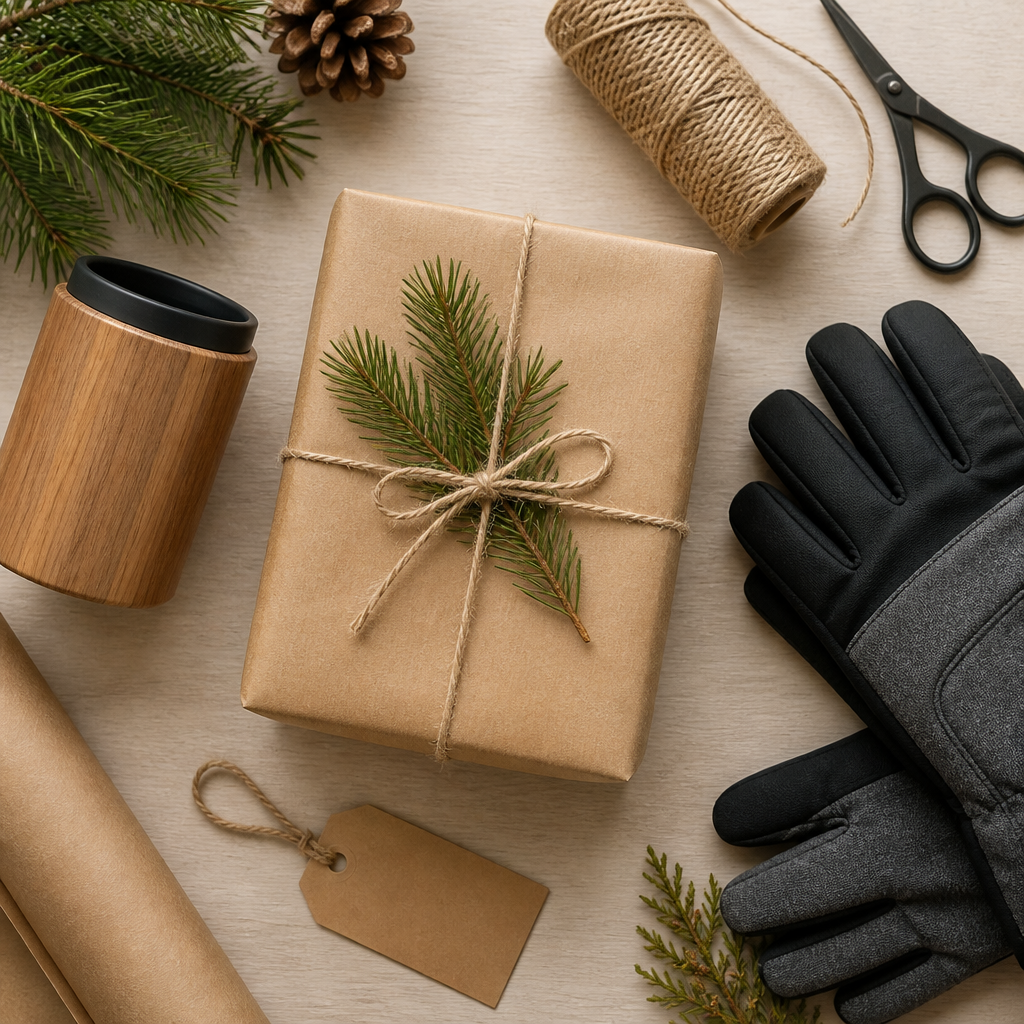
Ordering the Bundle in One Shipment
If you plan a bundle, order every item at the same time so it arrives in one box. Separate orders can land on different days, and a missing piece can leave the gift feeling incomplete when the recipient opens it.
Pro tip: Buy the add-on at the same time as the main gift, and confirm both delivery dates in writing. Splitting the order across dates is the most common reason a bundle arrives too late for the trip.
Frequently Asked Questions
What are the best Vermont ski season gifts for a first-time skier?
For a first-time skier, focus on fit and comfort. A properly sized helmet, warm base layers, and a reusable mug for the lodge cover most of what a beginner needs. Hold off on expensive upgrades until they know what they like.
When should I order ski gifts for a pre-season trip?
Order several weeks before the first trip, and earlier for anything personalized. Custom production and shipping take time, and a request sent in the final week often misses the opening weekend.
Are eco-friendly gifts for skiers actually useful, or just novelty items?
Useful ones replace something disposable that the recipient already buys, such as coffee cups or single-use bottles. Novelty items usually fail that test because nobody reaches for them twice.
Is a hardwood can insulator a good gift for someone who skis?
Yes, especially as part of a small bundle. It suits a beer or cider drinker at the lodge or tailgate, and it pairs well with a reusable mug or another small item for the trip.
What should I avoid when buying ski gear as a gift?
Avoid buying helmets, boots, or goggles without knowing the size, fit, or current model. Also avoid disposable gift wrap, since it adds waste to a gift meant to be useful.
How can I make a ski gift feel personal without spending much?
Choose a design tied to a shared trip, a favorite trail, or a local mountain the two of you visit. Add a short handwritten note, which costs nothing and often matters more than the item itself.
What has worked best for the skiers or riders in your life, and what did you pack before your first trip of the season?
Share:
Harvest Festival Accessories: The Vendor Booth Essential