Most August outdoor adventure checklists tell you to pack sunscreen, a water filter, and a first-aid kit. All correct. But almost none of them account for the thing you will actually miss most when you are sitting on a trailhead boulder at mile seven, digging through your pack for a warm, sweating can that you were genuinely excited about an hour ago. A proper August outdoor adventure checklist is not just about survival gear. It is about the details that make a trip feel worth doing again. The TreeSleeve™ by Better Wheel VT fits into that category, and this guide will show you exactly where it belongs alongside every other piece of kit that earns its weight in your bag this summer.
Table of Contents
- Why August Is the Best Month for Outdoor Adventures
- Quick Takeaways
- The Core August Adventure Checklist
- Why Your Drink Insulator Matters More Than You Think
- TreeSleeve™ vs. the Competition: A Straight Comparison
- Packing for Specific August Adventures: Hike, Camp, Festival
- Eco Outdoor Accessories That Actually Belong in Your Kit
- Frequently Asked Questions
- References
Why August Is the Best Month for Outdoor Adventures
There is a persistent myth that July is peak summer. In practice, August is the stronger month for outdoor adventures. Trails are drier, crowds thin noticeably after the first two weeks, and last-minute campsite reservations become far more achievable. The peak mosquito and blackfly season has largely faded by mid-August, particularly at higher elevations, making evenings genuinely pleasant instead of a survival exercise.
Vermont in August is a specific kind of beautiful. Fields of goldenrod, mountain lakes that have had all summer to warm up, and festivals scattered through the Green Mountains make it one of the most rewarding outdoor months in the Northeast. The evenings cool early, which means your cold drink deserves to stay cold, and the gear you carry deserves to reflect the effort you put into getting there.
The one catch with late summer: heat waves still happen, and bears in many regions are more active as they build up reserves heading toward fall. Your checklist needs to account for both the comfort-focused gear that makes August gorgeous and the safety basics that keep it safe.
Quick Takeaways
| Key Insight | Explanation |
|---|---|
| August crowds thin after mid-month | Trail and campsite availability improves significantly after August 15, making last-minute plans more realistic than in July. |
| The TreeSleeve™ is purpose-built for outdoor use | Sustainably sourced Vermont hardwood, fully biodegradable, and designed with outdoor and wildlife motifs, it fits the aesthetic and ethics of nature-first adventurers. |
| Foam and neoprene koozies degrade into microplastics | Standard foam insulators break apart over time, especially with outdoor exposure. A wooden TreeSleeve™ biodegrades cleanly when its life ends. |
| Cold drinks require active effort in August heat | Without insulation, a canned drink in direct August sun can warm to an unpleasant temperature in under 15 minutes. An insulator is functional gear, not a novelty. |
| Eco-conscious gifting has a practical outdoor use case | The TreeSleeve™ works as well on a trailhead as it does under a Christmas tree. It is one of the few eco-friendly gifts that actually gets used outdoors, repeatedly. |
| Bears are more active in late summer | August and September see increased bear activity in many regions. Proper food and drink storage habits matter, and leaving a clean campsite extends to all containers. |
| Custom designs make the TreeSleeve™ a conversation piece | Wildlife motifs and Vermont-made craftsmanship make it stand out at festivals and campsites, which is useful when you care about the story behind your gear. |
Before we get into the full checklist, it is worth being direct about what kind of adventurer this guide is written for. This is not for the ultralight through-hiker counting grams on a digital scale. This is for the outdoor enthusiast who is heading to a Vermont lake for the weekend, attending a summer festival, hiking a well-marked trail with friends, or packing a canoe for a day paddle. The gear recommendations reflect that. Comfort matters. Quality matters. So does leaving the place exactly as you found it.
The Core August Adventure Checklist
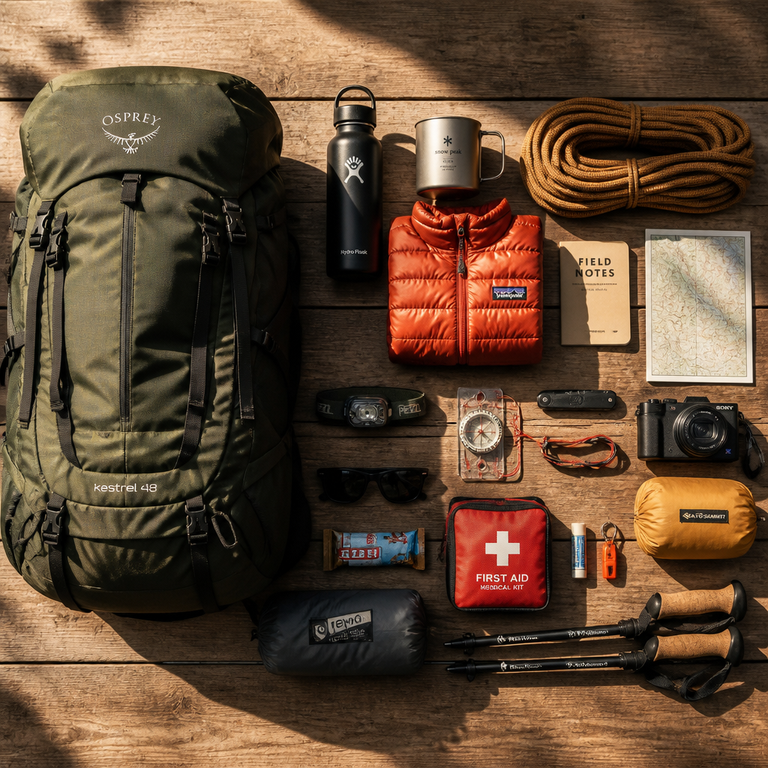
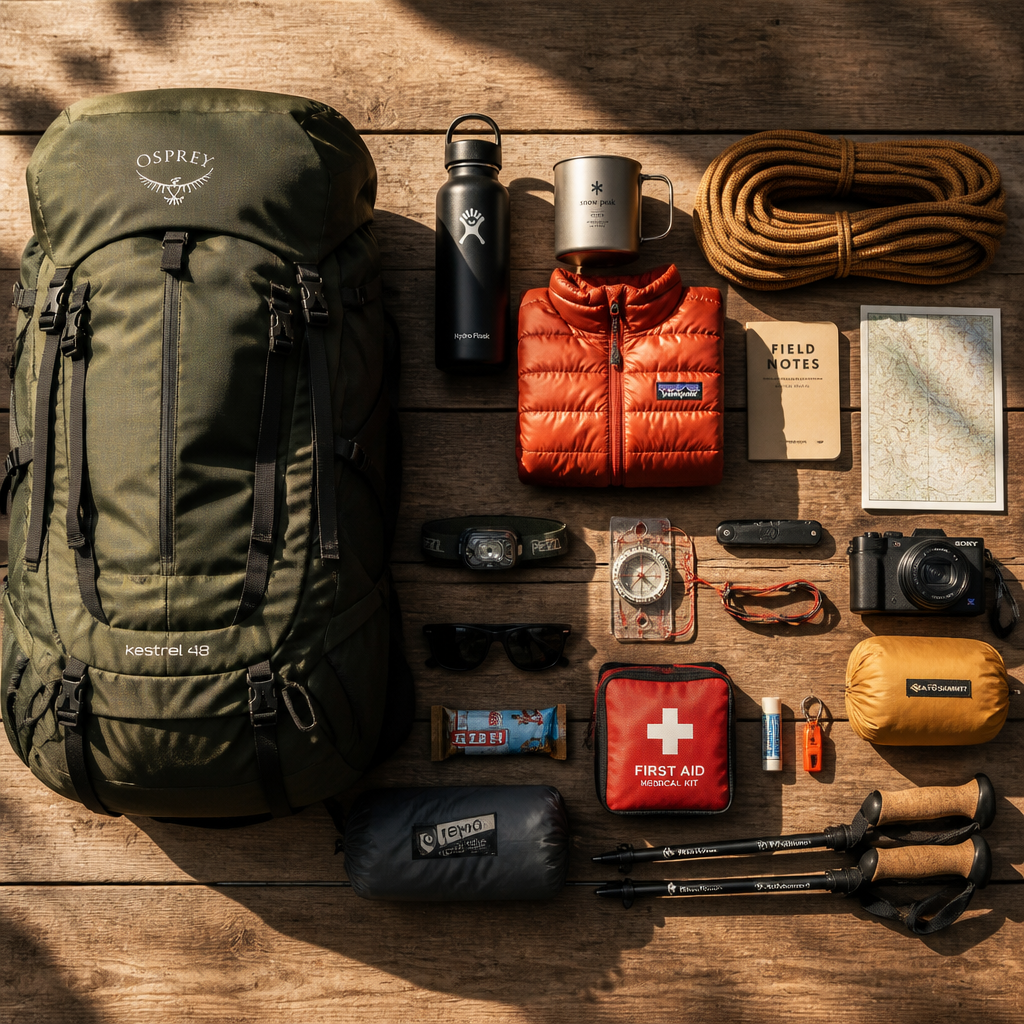
An August outdoor adventure checklist needs to balance the demands of summer heat with the reality that late-summer evenings can turn genuinely cool, especially in New England. The gear below is organized by category, not by priority, because everything on this list belongs there for a specific reason.
Navigation and Safety
Download offline maps before you leave cell range. A paper topo map for your specific area is still the most reliable backup. Carry a headlamp with fresh batteries even on day hikes. August daylight is long, but not infinite, and trails take longer than expected. A basic first-aid kit, a whistle, and a lightweight emergency bivy take almost no space and cover genuine emergencies.
Check current water conditions and, if you are heading to a Vermont lake in August, look up the state's current cyanobacteria reports before you select a swimming spot. This is not optional. Cyanobacteria blooms are tracked closely in Vermont and can close certain areas without much advance notice.
Clothing and Sun Protection
A moisture-wicking base layer, a fleece or light insulating layer for evenings, a rain jacket, a sun hat, and sunglasses cover the August range adequately. Do not skip the fleece. Nights in the Green Mountains can dip into the 50s even in August, and the difference between a good evening around a fire and a miserable one is often a single mid-layer.
Sunscreen and a bandana are genuinely underrated. Tick checks after every hike are not negotiable in Vermont and across the Northeast. Inspect thoroughly, not just casually.
Hydration and Nutrition
Carry more water than you think you need. Always. A water filter or purification tablets extend your range without requiring you to carry all your water from the trailhead. High-calorie snacks that do not melt work better than chocolate bars in August heat. Trail mix, bars with a high fat and protein ratio, and dried fruit are reliable choices.
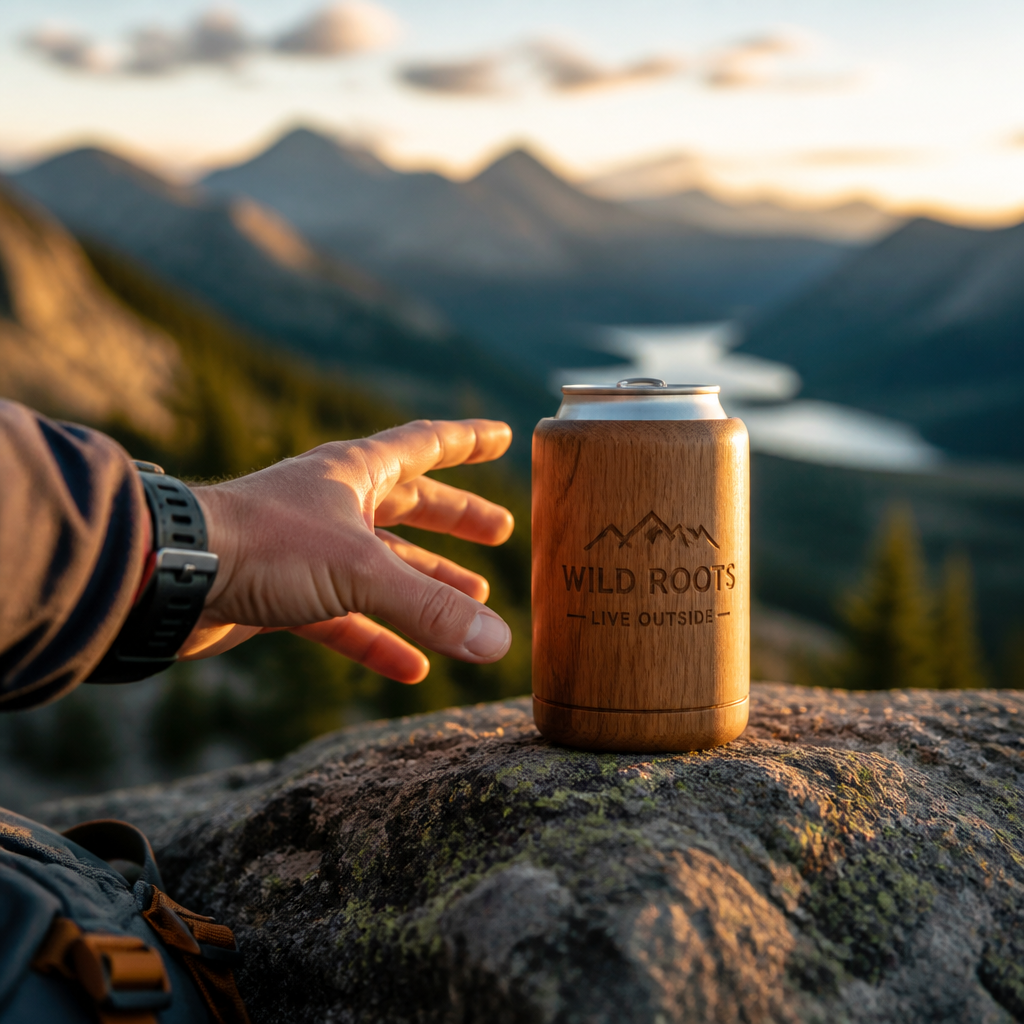
And here is where the checklist gets specific: if you are carrying canned drinks, which most August adventurers are, you need insulation for them. A warm beer at the summit is a sad beer. The TreeSleeve™ solves this problem while also being something you will genuinely want to pull out of your pack and show people.
Pro tip: Pack your canned drinks deep in your bag near your water bottles or an ice pack. Combined with a TreeSleeve™ once you crack one open, you can keep it cold through the end of a trailside break without any effort.
Camp Setup and Comfort
A 3-season sleeping bag rated to 30°F handles August nights safely across most of the Northeast, including Vermont's higher elevations. An insulated sleeping pad matters more than most people expect. A lightweight camp chair or a compact sit pad is worth every ounce when you are sitting for hours at a festival or by a fire. Bring a headlamp and a backup light source. Camp shoes or sandals for after the hiking boots come off are not a luxury; they are a daily quality-of-life item on multiday trips.
Why Your Drink Insulator Matters More Than You Think
The standard foam koozie has been around for decades, and it has earned its place in tailgate culture precisely because it costs almost nothing. But it is also made from polyurethane or neoprene foam that breaks apart with outdoor exposure, ends up in pieces at the bottom of your pack, and eventually contributes to the microplastic problem that outdoor enthusiasts are supposed to care about preventing.
The TreeSleeve™ from Better Wheel VT is a different category of product. It is crafted from sustainably sourced hardwood from Vermont forests. It is fully biodegradable. When it eventually reaches the end of its life, it does not become a fragment of foam at the bottom of a lake. It is also, in the meantime, a genuinely beautiful object. The outdoor and wildlife motifs are not slapped-on decorations. They reflect the environment the product is designed to be used in.
The gear you choose for an outdoor adventure says something about the kind of adventurer you are. Choosing equipment that reflects your values, including how you treat the places you visit, is one of the more honest ways to show up in wild spaces.
For eco-conscious gift shoppers looking for something for the beer lover or outdoor enthusiast in their life, this is the answer to the question of what to get someone who already has everything. It is specific, it is useful, it is made with intention, and it is not available in every big-box sporting goods store. That specificity is the point.
Pro tip: The TreeSleeve™ works equally well at a festival, on a canoe trip, at a tailgate, and at a backyard fire. Buy one for the trip and you will never reach for a foam koozie again.
TreeSleeve™ vs. the Competition: A Straight Comparison
The can insulator market is dominated by neoprene and foam options from brands like those found on sites such as cooziecooler.com, koozieking.com, and customkoozies.com. These products serve a specific mass-market function well: cheap, colourful, and disposable. The TreeSleeve™ targets a different buyer entirely, and the comparison makes that clear.
| Feature | TreeSleeve™ by Better Wheel VT | Standard Neoprene/Foam Koozie |
|---|---|---|
| Material | Sustainably sourced Vermont hardwood | Neoprene, polyurethane foam, or RPET fabric |
| Biodegradability | Fully biodegradable at end of life | Most foam and neoprene options are not biodegradable |
| Design aesthetic | Outdoor, wildlife, and custom motifs, handcrafted | Printed graphics, often generic or promotional |
| Durability outdoors | Hardwood resists deformation and cracking in outdoor conditions | Foam degrades and tears with UV and mechanical exposure |
| Gift appeal | Premium, specific, memorable, conversation-starting | Functional but not giftable at a premium level |
| Custom options | Yes, custom designs available | Yes, bulk custom printing available |
| Environmental story | Vermont forests, fully local supply chain, zero synthetic materials | Varies, some use recycled materials, most do not |
The honest conclusion here is that the TreeSleeve™ is not trying to compete on price per unit with bulk neoprene koozies. It is competing on whether the thing you pull out of your pack reflects what you actually care about. For outdoor enthusiasts and eco-conscious buyers, that comparison is not close.
Packing for Specific August Adventures: Hike, Camp, Festival
August adventures are not monolithic. A day hike in the Green Mountains, a weekend camping trip on Lake Champlain, and a music festival in Manchester, Vermont call for meaningfully different kits. Here is how to adjust your checklist for each.
Day Hike in Vermont's Green Mountains
Keep it light. A 20-30 liter daypack covers everything you need. Essentials: water (more than you think), navigation, first-aid kit, sun protection, snacks, headlamp, and a light layer for the summit. Add a TreeSleeve™ and one or two cold cans for the trailhead reward. This is a legitimate use case. The hike-and-reward format is one of the most satisfying outdoor rituals in existence, and a warm can is not a reward.
Vermont's trails in August are generally drier and in better condition than spring. Ticks are still active through October. Inspect after every outing, not just the multi-day ones.
Weekend Camp on Lake Champlain or a Vermont Swimming Hole
Lake Champlain stretches more than 100 miles along the New York border and offers some of the best camping in the Northeast. Check current cyanobacteria reports before choosing a swimming spot in August. Pack your full comfort kit: sleeping bag rated to 30°F, insulated pad, camp chair, and camp shoes. A cooler with ice extends your cold-drink window significantly, and a TreeSleeve™ means every can you open stays cold through the drink, not just the first few sips.
Bears are more active in late summer across many regions. Keep a clean campsite, store food properly, and do not leave drink cans sitting out unattended overnight.
Vermont August Festival
August in Vermont means outdoor festivals. Events like the Green Mountain Bluegrass and Roots Festival in Manchester bring thousands of people to fields for multi-day outdoor experiences. Your festival kit is lighter than a camping kit but needs specific additions: a lightweight blanket to sit on, ear protection for prolonged music exposure, a portable phone charger, cash, and something to carry your drinks in that does not embarrass you when you pull it out.
A TreeSleeve™ at a Vermont festival is not just functional. It is a natural conversation starter. It reflects the region, the values of the people who came there, and a level of intentionality about the gear you choose that registers with the kind of crowd attending those events.
Eco Outdoor Accessories That Actually Belong in Your Kit
The eco-friendly outdoor accessory category has a signal-to-noise problem. A lot of products claim sustainability credentials that amount to using a slightly different shade of recyclable plastic. The gear that actually earns its place in a conscious outdoor kit meets a stricter standard: it is made from genuinely natural or recycled materials, it serves a real functional purpose, and it degrades or recycles cleanly at end of life.
What Actually Qualifies as Eco-Friendly Summer Adventure Gear
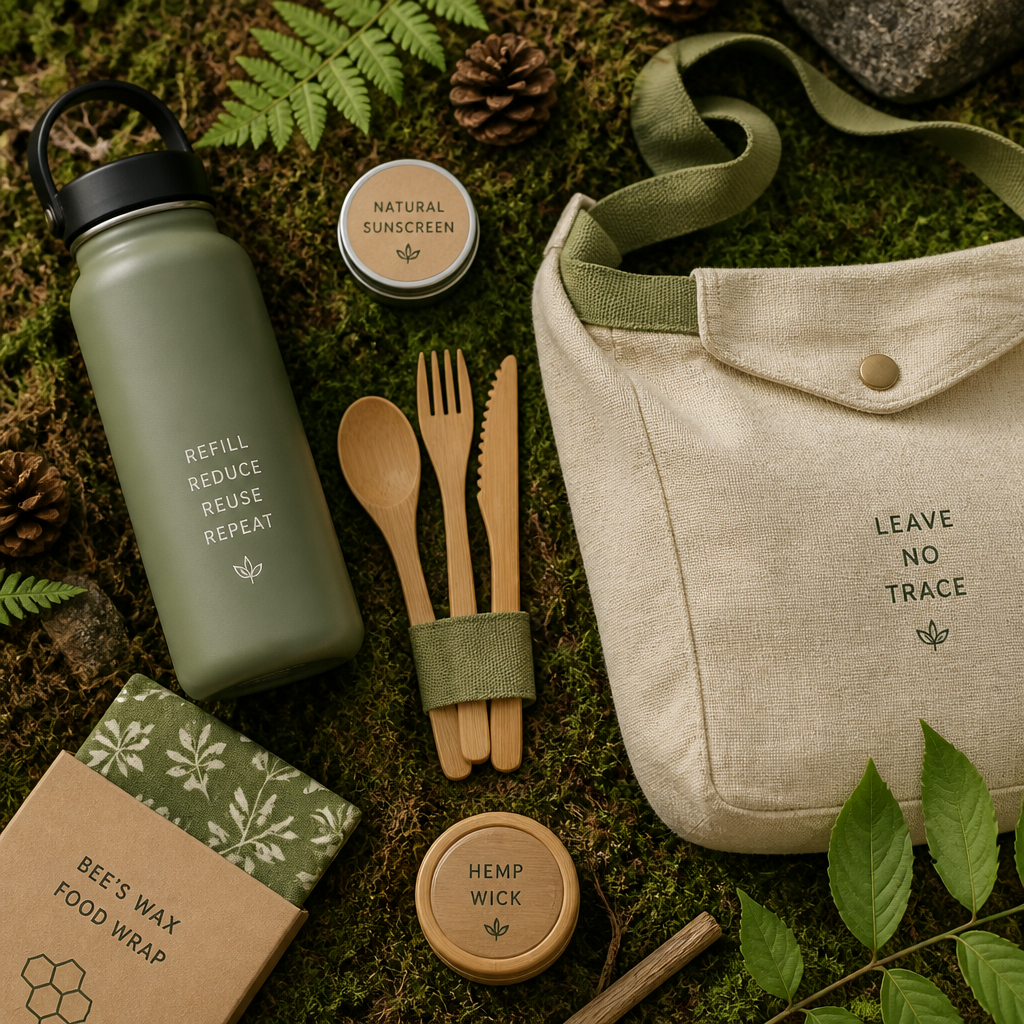
Real eco outdoor accessories start with the material. A TreeSleeve™ made from Vermont hardwood qualifies because the material is renewable, the sourcing is local, and the product biodegrades without producing synthetic residue. A beeswax-coated food wrap qualifies. A bamboo utensil set qualifies. A recycled aluminum water bottle qualifies. A neoprene koozie with a recycled content logo on the hangtag does not qualify at the same level.
The functional test is equally important. An eco accessory that stays in a drawer because it is awkward to use accomplishes nothing. The TreeSleeve™ passes this test. It fits standard cans, it is comfortable to hold, and it is durable enough to survive a season of outdoor use without falling apart. That combination of genuine sustainability and real usability is exactly what separates summer adventure gear that earns its spot from gear that just checks a box on a gift guide.
Pairing the TreeSleeve™ with a Zero-Waste Outdoor Kit
If you are building a deliberately low-impact outdoor kit, the TreeSleeve™ fits naturally alongside a stainless steel or aluminum water bottle, a reusable food container, a bamboo or recycled utensil set, reef-safe sunscreen, and biodegradable soap for camp washing. None of these items require sacrifice in terms of performance. They are all better or equivalent to their disposable counterparts in functional terms, and they collectively add up to a kit you can use without leaving a synthetic footprint behind.
A common mistake among eco-conscious gear buyers is treating sustainability as an aesthetic choice rather than a functional one. The best eco gear works first and happens to be sustainable second. The TreeSleeve™ keeps your drink cold. It also happens to be made from Vermont hardwood and will eventually return to the earth without consequence. That order of priorities is correct.
Pro tip: When buying outdoor gear as a gift for an adventurer who already owns most of the basics, a TreeSleeve™ with a custom design is the specific, thoughtful option that fills a real gap rather than duplicating something they already have.
Frequently Asked Questions
Is August actually a good month for outdoor adventures, or is it past the peak of summer?
August is genuinely one of the best months for outdoor adventures in the Northeast. Crowds thin after the first two weeks, trails are drier than in spring or early summer, campsite reservations are easier to secure, and the bug pressure is significantly lower than it was in June and early July. Evening temperatures are comfortable for sleeping outdoors. The main trade-off is shorter daylight hours compared to June, which means you need to account for earlier sunsets on longer hikes.
What makes the TreeSleeve™ better than a standard foam koozie for outdoor use?
The TreeSleeve™ is made from sustainably sourced Vermont hardwood, which means it does not degrade into foam fragments or microplastics the way standard neoprene and polyurethane koozies do. It is also a more durable object. It holds its shape under the mechanical stress of pack travel, direct sun, and repeated use in a way that foam does not. Beyond performance, the design quality is genuinely higher, and for anyone who cares about the environmental story of what they carry outdoors, hardwood beats synthetic foam without question.
Can the TreeSleeve™ fit standard beer and soda cans?
Yes. The TreeSleeve™ is designed to fit standard 12-ounce cans, which covers the vast majority of canned beers, seltzers, and sodas that adventurers carry on outdoor trips. If you have specific fit questions, the Better Wheel VT website at betterwheelvt.com is the right place to check current sizing details and available designs.
What August outdoor activities pair best with the TreeSleeve™?
Any activity where a cold canned drink is part of the reward. That includes trailhead and summit breaks on day hikes, lakeside camping sessions, canoe and kayak day trips, outdoor music festivals, tailgates before or after summer sporting events, and backyard fire nights after a day of outdoor activity. The TreeSleeve™ is compact enough to fit in any daypack or festival bag without taking meaningful space.
How do I find eco-friendly outdoor accessories that actually work as well as conventional options?
The test is simple: does it do the job it is supposed to do as well as or better than the conventional version, without requiring extra effort from you? If yes, and the material is genuinely natural or recycled, it qualifies. Start with categories where the eco version is obviously superior or equal: wooden and hardwood products, stainless steel bottles, beeswax wraps, and biodegradable soaps. Avoid products where the sustainability claim is primarily a marketing layer on an otherwise synthetic product.
Is the TreeSleeve™ a good gift for outdoor enthusiasts?
It is one of the better options in the category precisely because it is specific and useful rather than generic. Most outdoor enthusiasts already own the core gear. What they rarely have is something that reflects their values in a small everyday object they will actually use. A TreeSleeve™ with a wildlife or outdoor motif, or a custom design, fills that gap. It is also Vermont-made, which carries genuine weight for people who care about regional craftsmanship and sustainable sourcing.
What should I check before swimming in a Vermont lake in August?
Check the Vermont state cyanobacteria reports before picking any lake swimming spot in August. Vermont tracks these conditions closely, and certain swimming areas can be temporarily closed without much advance public notice. Lake Champlain and other popular lakes are monitored regularly through the summer season. Current information is available through Vermont state environmental resources online.
If you have made it through this checklist and have a tip, a favorite August adventure spot, or a piece of gear that has earned a permanent place in your pack, share it in the comments. Real field experience from people who actually go outside is more useful than any checklist.
References
- Late-summer camping and hiking tips covering August trail conditions, gear, and safety in the U.S.
- Guide to Vermont in August including festivals, swimming holes, and outdoor activities across the state
- Overview of Vermont's best lakes for swimming, paddling, and camping including Lake Champlain details
- Expert-tested comprehensive camping gear checklist covering essentials and comfort items for outdoor trips
Share:
Nature Design Products: How Motifs Connect Us Daily
Hardwood Can Insulator vs. Neoprene: Why Wood Wins