Most can insulators are sold as "eco-friendly" these days. Slap a leaf icon on a foam sleeve and call it green. But if you have ever actually tried to compost a neoprene koozie or trace where its petrochemicals came from, you already know how hollow that claim can be. A genuinely eco-friendly can insulator needs to pass a harder test than a marketing tagline, and this checklist walks you through exactly what that test looks like, material by material, claim by claim.
Table of Contents
- Quick Takeaways
- Why Most Koozies Fail the Eco Test
- The Sustainable Product Checklist
- Material Matters: What Is Your Insulator Actually Made Of?
- Spotting Greenwashing in Can Insulator Marketing
- Material Comparison: Neoprene, Foam, and Wood
- Certifications and Sourcing: What to Look For
- Frequently Asked Questions
- References
Quick Takeaways
| Key Insight | Explanation |
|---|---|
| Biodegradable materials are not all equal | A product must break down into non-toxic components to be truly biodegradable. "Degrades eventually" is not the same thing. |
| Neoprene involves petrochemicals | Standard neoprene production relies on petroleum-derived chemicals and results in a product that is not easily recyclable at end of life. |
| Foam koozies are not eco-friendly defaults | Polyurethane foam is cheap and disposable, but neither biodegradable nor recyclable in most municipal systems. |
| Sustainably sourced wood is a credible alternative | Hardwood from responsibly managed forests is renewable, biodegradable, and leaves no synthetic residue when it reaches end of life. |
| Local sourcing cuts transport emissions | A product made from materials harvested and manufactured in the same region has a fundamentally lower carbon footprint than one assembled across continents. |
| Greenwashing relies on vague language | Terms like "eco-safe" or "green-certified" mean nothing without a verifiable third-party standard behind them. Always ask which certification and who issued it. |
| Durability is part of sustainability | A reusable insulator that lasts for years generates less waste than a cheap single-use sleeve replaced dozens of times. |
Why Most Koozies Fail the Eco Test
Walk into any gift shop or browse any promotional products website and the koozie aisle looks the same: foam or neoprene, usually mass-produced overseas, offered in packs of fifty for next to nothing. Neither material earns a passing grade on a real sustainability checklist, and understanding why is the first step to choosing something better.
Neoprene is the premium end of that market. It insulates well and holds its shape. But its production involves petrochemicals, and when it wears out, it is not easily recyclable through standard channels. Foam koozies made from polyurethane are cheaper and lighter, which makes them popular for events and giveaways, but they degrade quickly in use while persisting in landfills essentially forever.
The result is a product category where almost every common option fails on at least one of the three core sustainability questions: What is it made of? Where did those materials come from? What happens when you are done with it?
The Sustainable Product Checklist
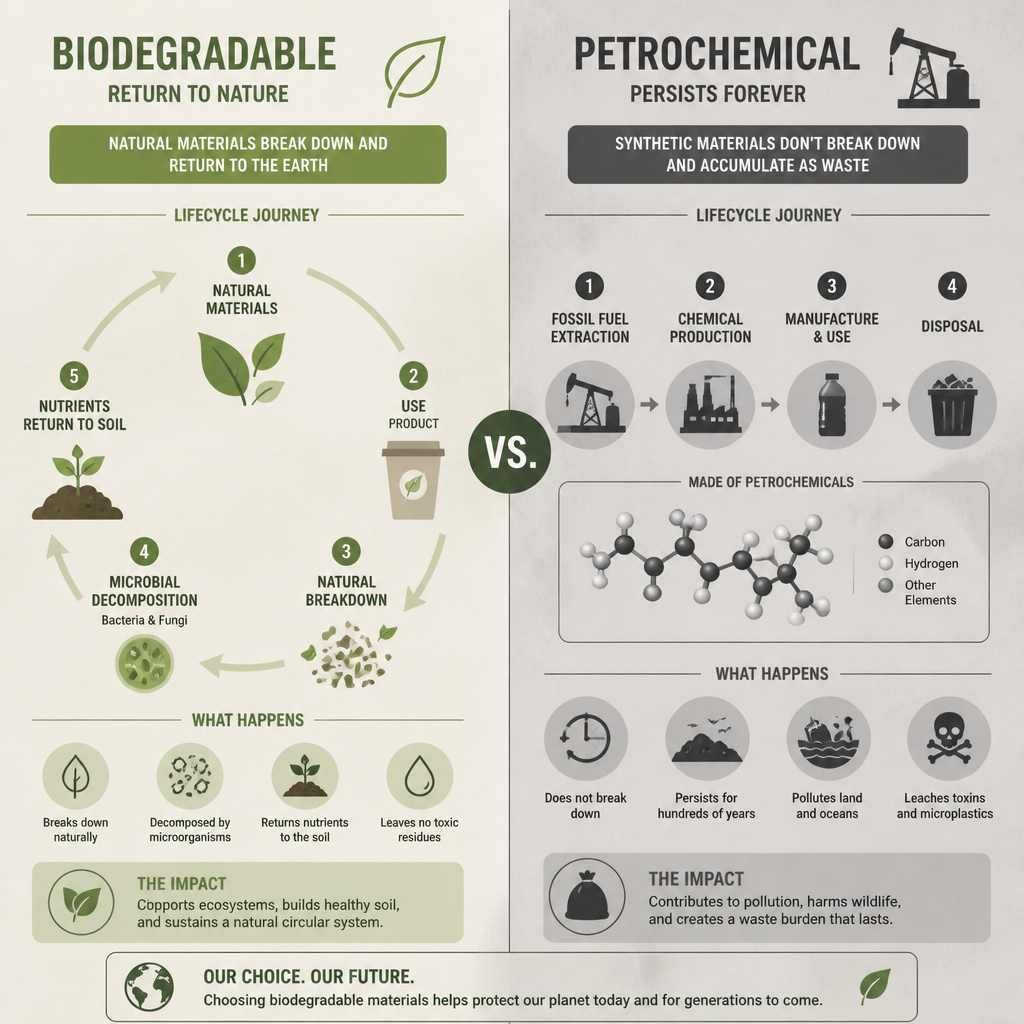
This checklist is built around the full lifecycle of a product, not just the moment of purchase. A genuinely sustainable product needs to hold up at every stage: raw material, manufacturing, use, and disposal. Miss any one of those and the "eco-friendly" label is at best partial and at worst misleading.
1. What Is the Base Material, and Where Did It Come From?
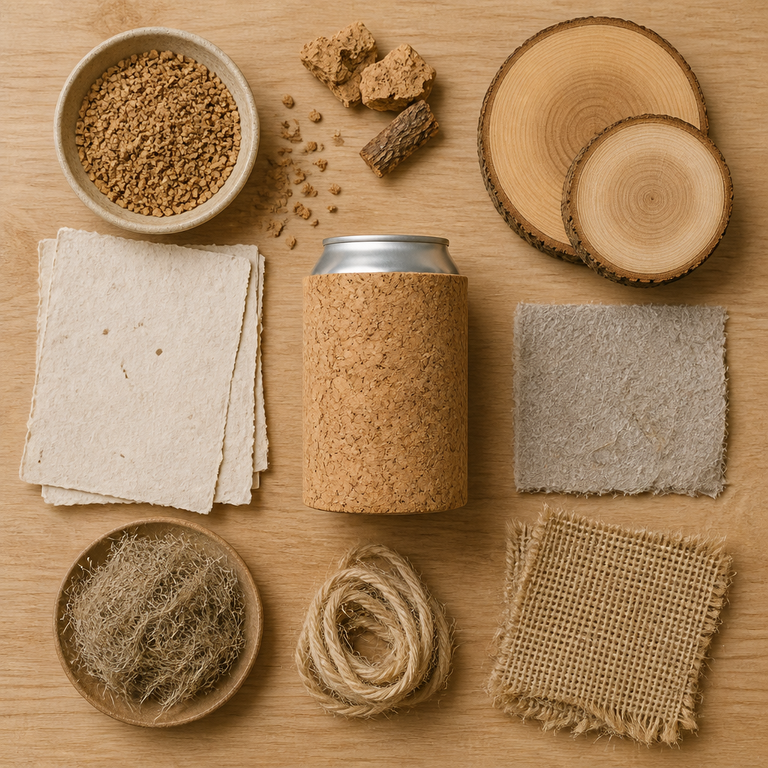
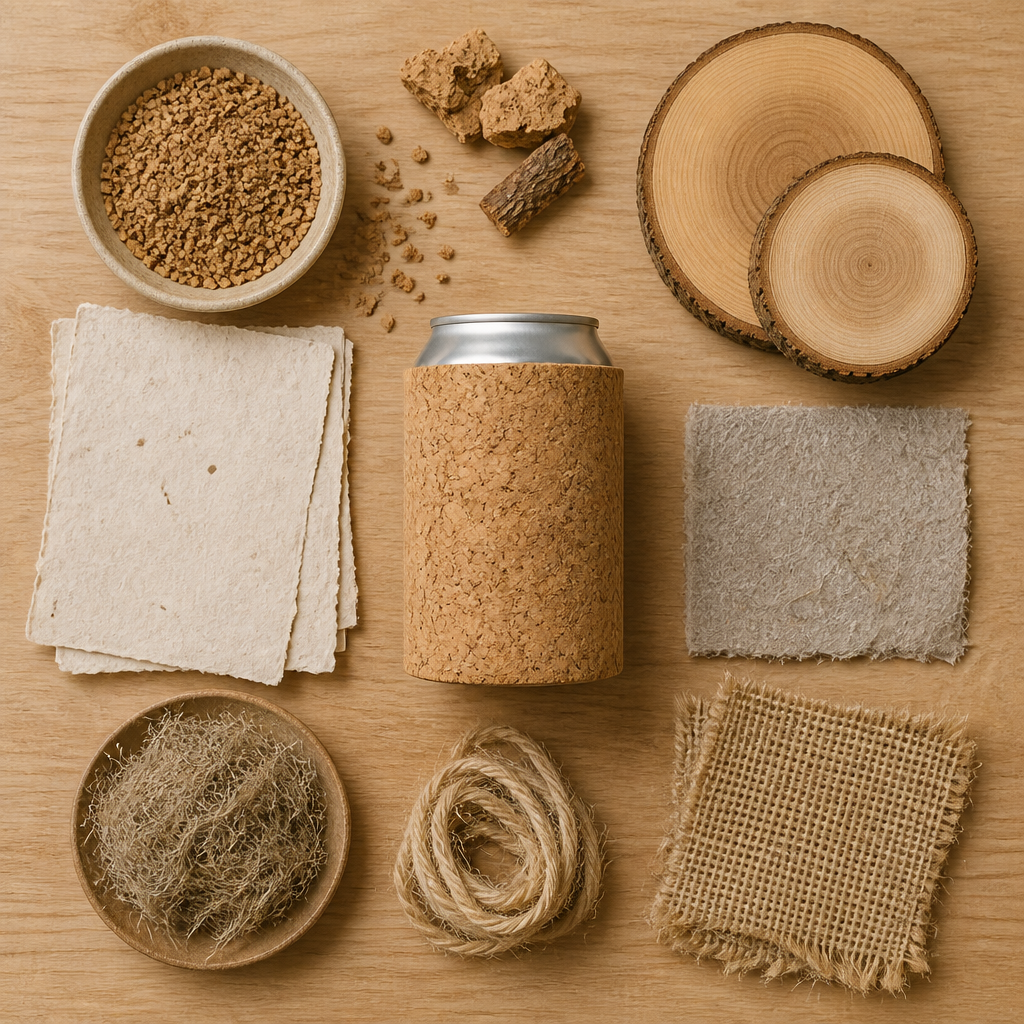
Natural, renewable materials are the starting point. Hardwood from a responsibly managed forest, cork, natural wool, and cellulose all biodegrade without leaving toxic residue. Petrochemical-derived materials like standard neoprene or polyurethane foam do not. Asking "where did this material come from" is just as important as asking "what is it" - a renewable material sourced through clear-cutting an old-growth forest is not sustainable by any reasonable definition.
Pro tip: If a brand cannot tell you the country or region where the raw material was harvested and processed, treat that as a red flag. Transparent supply chains are a feature, not an accident.
2. Is the Manufacturing Process Clean?
Eco-friendly materials can be processed in ways that undermine their sustainability. Industrial wastewater, solvent-based adhesives, and chemical additives used during manufacturing all contribute to environmental harm. A wood product finished with non-toxic oils has a very different environmental profile from a wood product coated in synthetic lacquer. Ask whether the manufacturing process adds anything to the material that is not biodegradable or non-toxic.
3. Is the Product Genuinely Biodegradable?
Biodegradable means the product breaks down naturally into components that are harmless to the environment. Solid hardwood meets that standard. Foam that "eventually breaks down" into microplastic particles does not. When a brand claims biodegradability, the follow-up question is: breaks down into what, and over what time frame?
A fully biodegradable can insulator made from solid hardwood, like the TreeSleeve from Better Wheel VT, leaves nothing harmful behind because the base material is the same wood you would find decomposing naturally on a forest floor.
4. Is the Product Built to Last?
Durability is an underrated sustainability factor. A can insulator that survives years of use at campfires, on fishing boats, and in pack bags generates far less waste per drink kept cold than a cheap foam sleeve that falls apart after a season. Reusability does not cancel out poor material choices, but it dramatically changes the math on waste per use.
5. What Happens at End of Life?
Most foam and neoprene insulators end up in landfill. Some neoprene can be mechanically repurposed, but that requires access to specialty recycling programs that most consumers will never use. A hardwood product composts naturally in most settings. This end-of-life question is where many "eco-friendly" claims collapse entirely, because the product's fate after use is often completely ignored in the marketing.
Pro tip: Check whether the brand addresses end of life on its product page. If the only information is about what the product is made of and not what to do with it when it is worn out, the sustainability story is incomplete.
Material Matters: What Is Your Insulator Actually Made Of?
The insulator market runs on a small set of materials, and each one has a distinct environmental profile. Knowing what you are actually buying makes the checklist above much easier to apply in practice.
Neoprene: Good Insulation, Poor End-of-Life Story
Neoprene is the most common material in premium koozies. It offers excellent thermal insulation, grips well, and flexes to fit different can sizes. Its environmental problem is structural. The production process relies on petrochemicals, and the finished product is not easily recyclable through conventional waste management. Some newer formulations use limestone or sugar cane as base materials, which improves the upstream footprint, but the disposal problem largely remains.
Polyurethane Foam: The Promotional Throwaway
Foam koozies are cheap, lightweight, and easy to customize with printed logos, which is why they dominate event giveaways. They provide decent insulation for short-term use, but they are not durable enough for sustained use and are not biodegradable. They are the definition of a single-use product dressed up as a keepsake.
Hardwood: The Only Fully Biodegradable Option in This Category
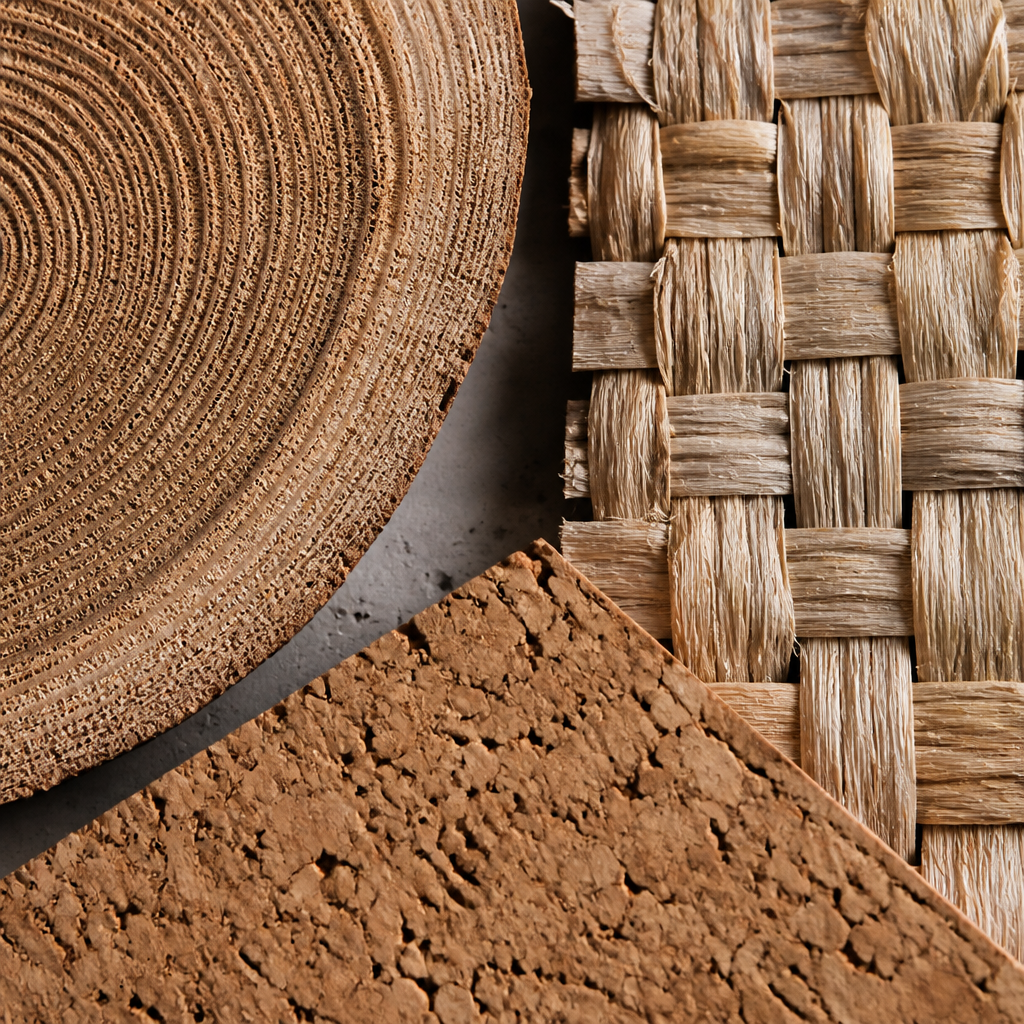
Solid hardwood is the outlier in the can insulator market. It is rigid, so it fits standard 12-oz cans without flexing, and it insulates through natural thermal mass rather than foam chemistry. More importantly, it is the only widely available can insulator material that is genuinely and fully biodegradable without synthetic residue.
The TreeSleeve from Better Wheel VT is made from a solid piece of hardwood sourced directly from Vermont forests. That level of supply chain transparency, from a named forest to a finished product, is rare in the insulator category and meaningful for anyone applying a real sustainability checklist.
Spotting Greenwashing in Can Insulator Marketing
Greenwashing is the practice of exaggerating or misrepresenting environmental benefits to appeal to eco-conscious shoppers. It is widespread in the promotional products and gift market, and can insulator listings are not immune. The patterns are recognizable once you know what to look for.
Vague Certification Language
Terms like "eco-safe," "green-certified," or "sustainably inspired" are not tied to any verifiable standard. Legitimate sustainability certifications come from third-party organizations with published criteria. FSC certification (Forest Stewardship Council) for wood products, for instance, means the timber was harvested under specific rules about forest management, worker welfare, and ecological impact. A home-invented "green badge" means nothing. If a brand cannot tell you which organization issued the certification and where to verify it, be skeptical.
Single-Attribute Claims
A common greenwashing tactic is to highlight one genuine sustainability feature while ignoring the others. A koozie made from "recycled materials" might use a small percentage of recycled content while the rest of the product is virgin petroleum-based foam. A product labeled "biodegradable" might technically break down over centuries rather than months, and into components that harm soil biology. Look at the full picture, not just the headline claim.
No Supply Chain Information
Truly transparent brands tell you where their materials come from. Better Wheel VT names the Green Mountains of Vermont as the source of the hardwood in its TreeSleeve. That is supply chain specificity. A brand that says only "sustainably sourced materials" without naming a region, forest management program, or supplier is making a claim you cannot verify.
A vaguer true sentence is always better than a specific invented one. The same principle applies to eco-claims: a specific, verifiable sourcing statement is worth more than any amount of green-sounding marketing copy.
Material Comparison: Neoprene, Foam, and Wood
Applying the sustainable product checklist across the three main can insulator materials makes the differences concrete. The table below scores each material against the five checklist criteria using a simple pass, partial, or fail framework.
| Checklist Criterion | Standard Neoprene | Polyurethane Foam | Sustainably Sourced Hardwood |
|---|---|---|---|
| Renewable base material | Fail (petroleum-derived) | Fail (petroleum-derived) | Pass (renewable, forest-grown) |
| Clean manufacturing process | Partial (chemical additives, wastewater) | Fail (chemical foaming agents) | Pass (mechanical milling, natural finish) |
| Fully biodegradable | Fail (persists in landfill) | Fail (microplastic breakdown) | Pass (natural decomposition, no toxic residue) |
| Built for reuse and durability | Pass (long-lasting with care) | Fail (degrades quickly in use) | Pass (hardwood is durable over years of use) |
| Responsible end of life | Fail (not easily recyclable) | Fail (landfill only) | Pass (compostable, biodegrades naturally) |
In practice, no material is perfect. Hardwood requires energy to mill and finish, and transportation still has a carbon cost even when sourcing is local. But the checklist score is not close. Hardwood from a sustainably managed, nearby forest is the only material in this category that passes the majority of the criteria on a rigorous lifecycle review.
Certifications and Sourcing: What to Look For
Certifications are the shortcut for buyers who do not have the time to audit a full supply chain themselves. They are not infallible, and not every genuinely sustainable product carries a formal certification, but the presence of a recognized third-party standard is a strong positive signal.
FSC Certification for Wood Products
The Forest Stewardship Council (FSC) sets standards for responsible forest management covering ecological impact, biodiversity protection, and the rights of forest workers and local communities. For a hardwood can insulator, FSC certification or its equivalent is the most relevant standard to look for. If a company sources wood from its own managed forest and makes that sourcing explicit, as Better Wheel VT does with its Vermont forest sourcing for the TreeSleeve, that transparency functions as a credible stand-in even without a formal third-party stamp.
Cradle to Cradle and B Corp for Broader Accountability
Cradle to Cradle certification evaluates a product across its entire lifecycle, from material safety through renewable energy use, water stewardship, and end-of-life design. B Corp certification applies to companies rather than products, recognizing businesses that meet verified standards of social and environmental performance. Neither is specific to the can insulator category, but both signal that a brand is held to external accountability rather than self-policed green marketing.
What to Do When Certifications Are Absent
Not every small craft manufacturer can absorb the cost and administrative burden of formal certification. In those cases, the best proxy is transparent, specific sourcing information. A brand that names its forest, its state, and its manufacturing location is offering verifiable claims you can check. A brand that says only "natural materials" is not. For eco-conscious gift shoppers and outdoor enthusiasts who care about what they are actually buying, that specificity is worth seeking out.
Pro tip: When buying a can insulator as a gift for an outdoor enthusiast or a nature-minded friend, include the sourcing story in the gift presentation. A TreeSleeve made from Vermont hardwood is a better story than "I bought you a koozie," and the story is only possible because the sourcing is real and traceable.
Frequently Asked Questions
Is neoprene eco-friendly?
Standard neoprene is not eco-friendly by most reasonable definitions. Its production involves petrochemicals, and at end of life it is not easily recyclable. Some newer formulations use limestone or sugar cane as base materials, which improves the upstream environmental profile, but disposal remains a problem. If a brand claims an eco-friendly neoprene product, ask specifically which formulation is used and how the product should be disposed of when worn out.
What does "biodegradable" actually mean for a can insulator?
For a can insulator to be genuinely biodegradable, it must break down naturally into non-toxic components without leaving harmful residue in soil or water. Solid hardwood meets this standard. Foam materials that technically degrade over time often break into microplastic particles, which do not qualify as safe decomposition. Always ask what the material breaks down into, not just whether it breaks down.
What is the most eco-friendly can insulator material available?
Sustainably sourced hardwood is the strongest performer on a full lifecycle checklist. It is renewable, biodegradable, durable, and requires no synthetic chemical additives to function as an insulator. The TreeSleeve by Better Wheel VT, made from hardwood sourced from Vermont forests, is one of the clearest examples of what a truly eco-friendly can insulator looks like in practice.
How do I spot greenwashing in can insulator marketing?
Watch for vague certification language like "eco-safe" or "green-inspired" that is not tied to a named third-party organization. Look for single-attribute claims that highlight one green feature while ignoring the rest of the product's lifecycle. And ask whether the brand provides specific sourcing information. If a product page cannot tell you where the material came from or who certified it, the eco-friendly claim is marketing, not fact.
Does buying a reusable can insulator make a real environmental difference?
Yes, durability matters for sustainability. A can insulator used consistently over several years displaces many single-use alternatives and reduces per-use waste significantly. That said, reusability does not offset poor material choices entirely. A durable neoprene insulator still ends up in landfill when it wears out. A durable hardwood insulator composts. Both factors, longevity of use and end-of-life fate, need to hold up for the full sustainability picture to be positive.
Are wood can insulators practical for outdoor use?
Yes. Hardwood is a natural thermal mass material, meaning it slows the transfer of heat from your hand to the can without requiring foam chemistry. It is also resistant to outdoor conditions with basic care. The TreeSleeve is specifically designed for the kind of outdoor use, camping, hiking, festivals, and backyard gatherings, where outdoor enthusiasts actually want a can insulator to work. The wood construction also makes it a keepsake rather than a throwaway, which changes how people treat and store it.
What sustainability certifications should I look for when buying an eco-friendly gift?
For wood products, FSC (Forest Stewardship Council) certification is the most relevant standard, covering forest management practices and supply chain accountability. For broader product and company accountability, Cradle to Cradle certification covers the full product lifecycle, and B Corp certification signals company-level environmental and social standards. Where formal certifications are absent, look for specific, verifiable sourcing information from the brand itself as the next best signal of genuine sustainability.
Have you applied any of these checklist criteria when choosing an eco-friendly product? Share what you look for and whether it changed your buying decision.
References
- Neoprene vs. foam koozie comparison: environmental impact and insulation performance
- Beer koozie materials breakdown: neoprene, foam, and eco-friendly alternatives
- How to verify eco-friendly product claims and avoid greenwashing
- Six steps to recognize genuinely sustainable products and spot marketing traps
- Certifications and material standards for identifying truly sustainable products
Share:
Vermont Outdoor Activities to Pair with a Cold Craft Beer
Wooden Koozie vs Foam vs Silicone: Eco Winner