

Most people buying a can cooler for a camping trip or a gift never stop to ask what happens to it after it breaks or gets tossed. Foam koozies end up in landfills for decades. Silicone sleeves require specialized recycling that is rarely accessible. And the wooden koozie is still a novelty to most shoppers, even though it is the most environmentally honest option of the three. This article cuts through the marketing language and lays out a direct wooden koozie vs foam comparison, adds silicone into the mix, and tells you plainly which material holds up best for the planet and for the person receiving it as a gift.
Table of Contents
- Quick Takeaways
- What Each Material Actually Is
- Environmental Impact: From Production to Disposal
- How They Perform as Can Insulators
- Eco Can Cooler Comparison Table
- Why Sustainable Koozies Matter for Gift Shoppers
- Frequently Asked Questions
- References
Quick Takeaways
| Key Insight | Explanation |
|---|---|
| Foam koozies are petroleum-based | Standard polyurethane foam is derived from fossil fuels and does not biodegrade in any practical timeframe, making it a poor choice for eco-conscious buyers. |
| Silicone is not biodegradable | Despite silicone's reputation for being "natural" because it originates from sand, it relies on non-renewable hydrocarbons in production and cannot be composted or landfilled cleanly. |
| Wood is the only fully biodegradable option | A hardwood can insulator like TreeSleeve breaks down naturally at the end of its life without leaving microplastics or synthetic residue in the soil. |
| Silicone recycling is largely inaccessible | Silicone requires specialized recycling facilities that most municipalities do not offer, meaning the majority of silicone sleeves end up in landfills regardless of the material's theoretical recyclability. |
| Sustainably sourced wood carries a lower carbon footprint | Wood harvested from responsibly managed forests, such as Vermont hardwood, stores carbon during growth and requires far less energy-intensive processing than synthetic polymers. |
| Durability affects true environmental cost | A single well-made wooden koozie that lasts years costs the environment less than several disposable foam koozies replaced over the same period. |
| Custom wooden designs double as lasting keepsakes | Unlike foam favors that get discarded after one event, a quality wooden can insulator with outdoor or wildlife engraving becomes something people actually keep and reuse. |
What Each Material Actually Is
Before comparing environmental impact, it helps to understand exactly what these materials are made from, because marketing labels like "natural" and "flexible" obscure more than they reveal.
Foam Koozies: Cheap Polymer, Cheap Planet Cost Accounting
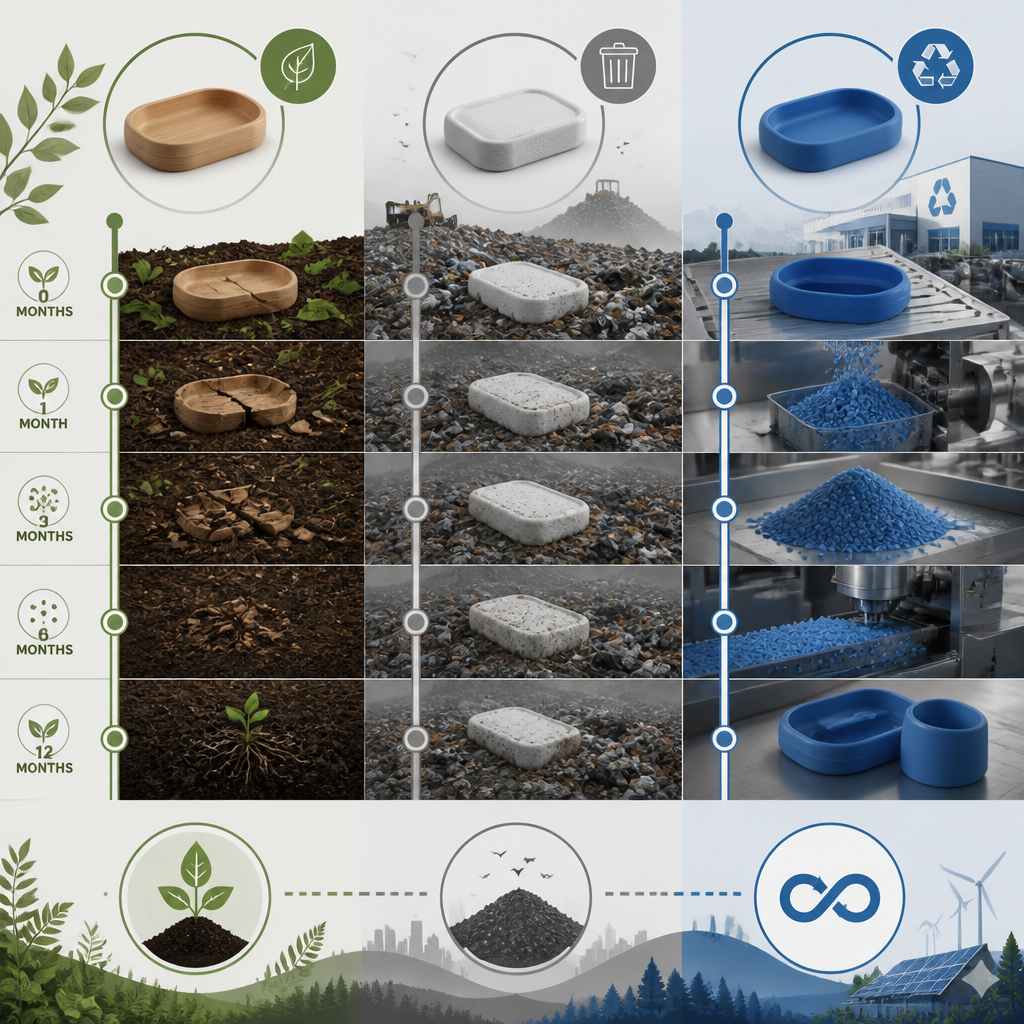
The classic foam koozie is made from polyurethane foam, sometimes called sponge foam, a petroleum-derived synthetic material. It has been the default event favor for decades because it is extremely cheap to produce and easy to print on with bold graphics. The insulation is adequate for keeping a beer cold for a short period, but the material itself has no meaningful end-of-life story. It does not biodegrade, it is not recyclable through standard curbside programs, and it breaks down into microparticles over time when exposed to UV and heat.
Some sources reference neoprene as a premium foam alternative. Neoprene is the same synthetic rubber used in wetsuits and offers better insulation and durability than basic polyurethane foam, but it is still a synthetic polymer with similar end-of-life problems. For the purposes of this eco comparison, both foam and neoprene fall on the same side of the environmental ledger.
Silicone Sleeves: Sand-Based but Not Clean
Silicone is frequently marketed as an eco-friendly alternative to plastic because it originates from silica, a natural compound found in sand. That framing is misleading. According to verified source material from GreenMatch, silicone production relies on non-renewable hydrocarbons and the end-of-life treatment of silicone involves complications, requiring specialized recycling processes that are not widely accessible to consumers.
Silicone is durable, heat-resistant, and flexible, which makes it a reasonable functional product. But it is not biodegradable, it cannot go into standard recycling bins, and the specialized facilities required to process it are rare. A silicone can sleeve that breaks or wears out most likely ends up in a landfill, just like the foam koozie it was supposed to replace.
Wooden Koozies: What "Natural" Actually Looks Like
Hardwood can insulators like the TreeSleeve from Better Wheel VT are made from sustainably sourced Vermont hardwood. Wood is a renewable resource when harvested responsibly, it stores carbon during its growth cycle, and at the end of its useful life it breaks down completely without leaving synthetic residue. No petroleum inputs. No specialized recycling infrastructure needed. No microplastics released into soil or water.

Environmental Impact: From Production to Disposal
The fairest way to compare materials environmentally is to trace the full lifecycle: raw material extraction, manufacturing, use, and disposal. Each stage carries a different cost, and the totals look very different depending on which material you choose.
Raw Material Extraction
Foam and silicone both begin with fossil fuel or fossil fuel-adjacent industrial processes. Polyurethane foam requires petroleum. Silicone, despite its sand origin story, requires non-renewable hydrocarbons at the processing stage. Wood, by contrast, is grown. Sustainably managed forests in Vermont are harvested in ways that allow regrowth, maintain biodiversity, and keep carbon sequestered in the landscape. The extraction phase alone puts wood in a different category from either synthetic competitor.
Manufacturing Energy and Emissions
Polymer production is energy-intensive by nature. Both foam and silicone require high-temperature industrial chemical processes to convert their raw inputs into usable material. Woodworking, particularly for small-batch artisan products like TreeSleeve, relies on far less energy-intensive processes. Cutting, shaping, and finishing hardwood generates sawdust and off-cuts, not chemical byproducts or industrial emissions at the same scale as polymer manufacturing.
End-of-Life Disposal
This is where the gap becomes impossible to ignore. Foam koozies go to landfill. They do not biodegrade in any meaningful sense; they fragment into smaller pieces over time. Silicone sleeves face the same landfill fate for most consumers because, as the GreenMatch research confirms, the recycling infrastructure for silicone simply does not exist at scale. A wooden koozie is fully biodegradable. It can be composted, returned to the soil, or simply discarded without environmental guilt. That is not a marketing claim. It is what wood does.
The most honest environmental measure of any product is not what it is made from but what happens when you are done with it. A material that cannot be composted, recycled through accessible programs, or safely returned to the earth is a synthetic problem regardless of what it looks like on the shelf.
Pro tip: When shopping for an eco can cooler, ask one question before anything else: what happens to this when it wears out? If the answer requires a specialized facility or involves a landfill, the material is not as green as its label suggests.
How They Perform as Can Insulators
Environmental credentials matter, but a can insulator still needs to do its job. Here is how the three materials compare on functional performance.
Foam Insulation Performance
Foam koozies work. They provide a reasonable barrier between a cold can and a warm hand, slowing heat transfer through the can wall. Basic polyurethane foam is the weakest insulator of the three materials here. Neoprene performs better, offering a denser cell structure that holds cold longer. The tradeoff is that foam of any variety is fragile. It tears, compresses permanently, and loses its insulating shape with regular use. Most foam koozies do not survive a full camping season intact.
Silicone Sleeve Performance
Silicone sleeves offer moderate insulation. The material is flexible and grippy, which makes it comfortable in the hand and less prone to slipping off a can. Silicone is genuinely durable in terms of resisting tearing and UV damage better than foam. The functional complaint most users have is that silicone sleeves do not insulate as well as neoprene for extended periods, and they tend to retain odors over time if not washed properly.
Wooden Koozie Performance
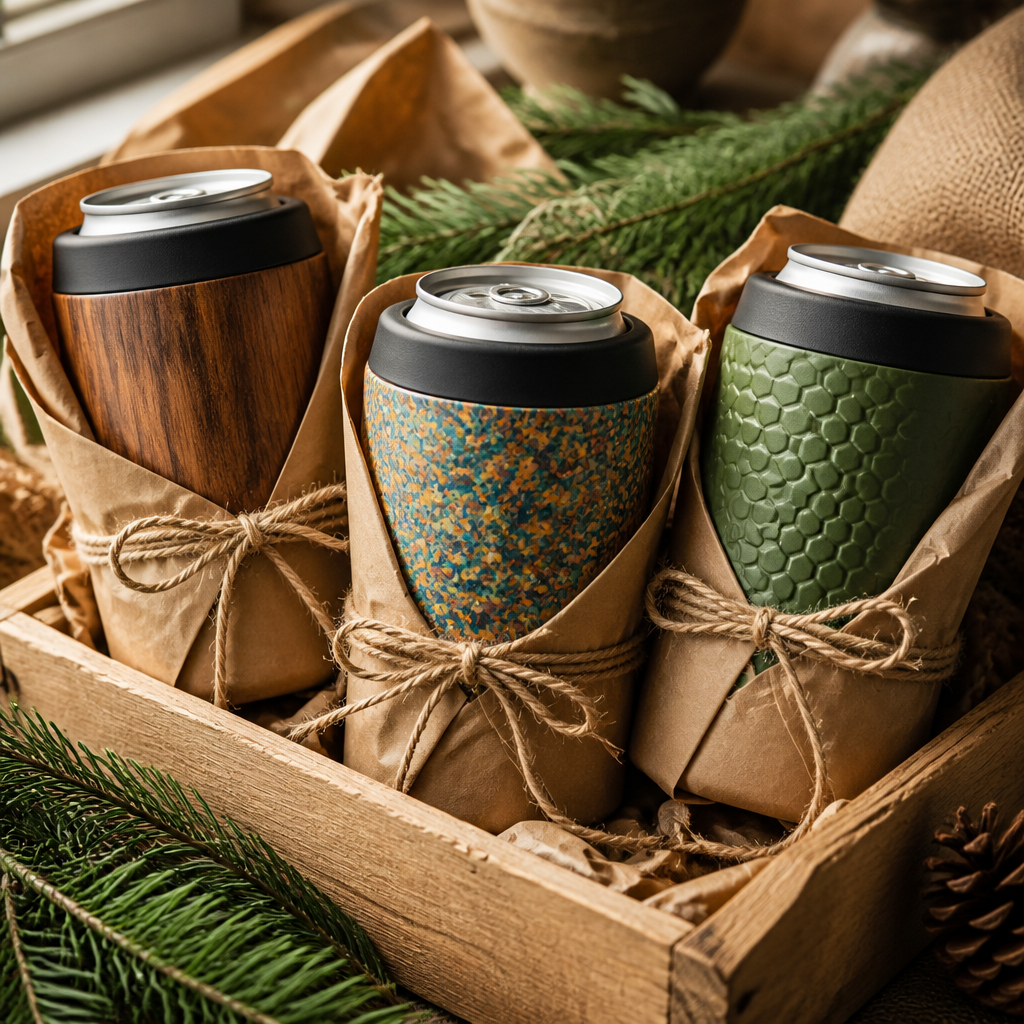
A well-crafted hardwood can insulator performs differently from foam or silicone, and that difference is a feature, not a limitation. Wood is a natural insulator with low thermal conductivity. It keeps hands warmer than a bare metal can while slowing the transfer of ambient heat into the drink. The fit matters enormously here. A TreeSleeve machined precisely to standard can dimensions creates a snug, effective barrier. It also feels substantial in the hand in a way that foam never does, which is part of why it works as a gift rather than a throwaway party favor.
Pro tip: If you are giving a wooden can insulator as a gift to an outdoor enthusiast, pair it with a mention of its biodegradability. That single fact tends to land powerfully with people who spend time in natural spaces and care about what they leave behind.
Eco Can Cooler Comparison Table
The table below summarizes the key differences across the three materials on the dimensions that matter most for eco-conscious buyers and gift shoppers. Use this as a quick reference when making a purchasing decision or recommending a sustainable koozie to someone else.
| Factor | Foam Koozie (Polyurethane or Neoprene) | Silicone Sleeve | Wooden Koozie (Hardwood, e.g. TreeSleeve) |
|---|---|---|---|
| Raw Material Source | Petroleum-derived synthetic polymer | Sand-derived but requires non-renewable hydrocarbons in production | Sustainably harvested hardwood from managed forests |
| Biodegradable | No. Fragments into microparticles. | No. Does not biodegrade. | Yes. Fully biodegradable and compostable. |
| Recyclable via Standard Programs | No | No. Requires specialized facilities rarely available to consumers. | Not applicable. Returns to earth naturally. |
| Insulation Performance | Moderate (neoprene is better than basic foam) | Moderate | Good. Natural low thermal conductivity. |
| Durability | Low to moderate. Tears and compresses with use. | High. Resists tearing and UV damage. | High. Hardwood resists daily wear with proper care. |
| Gift Appeal | Low. Perceived as a disposable event favor. | Moderate. Functional but generic. | High. Unique, artisan appearance with engraving options. |
| Custom Design Options | Basic screen print or label | Molded shapes or printed labels | Laser-engraved wildlife, outdoor, and custom motifs |
| End-of-Life Environmental Impact | High. Landfill only, no decomposition. | High. Landfill for most consumers due to inaccessible recycling. | Negligible. Biodegrades cleanly. |
Why Sustainable Koozies Matter for Gift Shoppers
Gift shoppers looking for something genuinely different for the outdoor enthusiast in their life face a consistent problem: most "eco" products are eco in name only. A bamboo-handled something with a synthetic core is not meaningfully better than the plastic version it replaced. The sustainable koozie category has the same problem. Foam koozies branded as "green" with a leaf logo are still polyurethane going to a landfill. Silicone gets called eco-friendly because it came from sand, but its production and disposal tell a different story.
A hardwood can insulator from a company like Better Wheel VT sidesteps this greenwashing entirely because wood is honest. You can see it, feel it, and trace it back to a Vermont forest. The TreeSleeve is available with outdoor themes and wildlife engravings, which makes it relevant to the exact person who actually cares about these environmental distinctions: someone who hikes, camps, kayaks, or simply wants their purchasing decisions to reflect what they value.
For the gift-giver, there is also a practical advantage. A wooden koozie does not get tossed after one use. It does not compress in a drawer. It sits on a shelf or goes in a pack because it looks good and feels like something worth keeping. That is a different category of gift from a foam party favor, and it comes with a story the recipient can actually tell: sustainably sourced Vermont hardwood, fully biodegradable, made to last. Competitors like cooziecooler.com, koozieking.com, and customkoozies.com offer volume and low price points, but they are not competing on this axis at all. The material conversation is one they cannot win.
Frequently Asked Questions
Is a wooden koozie actually better for the environment than a foam one?
Yes, across every stage of the lifecycle. Foam koozies are made from petroleum-derived polymers, do not biodegrade, and cannot be recycled through standard programs. A hardwood koozie made from sustainably sourced wood is biodegradable, comes from a renewable resource, and requires less energy-intensive processing. The environmental advantage is not marginal; it is categorical.
Can silicone koozies be recycled?
In theory, yes. In practice, almost never. Silicone requires specialized recycling facilities that most consumers do not have access to. The research from GreenMatch confirms that silicone's end-of-life treatment involves complications because the recycling infrastructure is not widely available. The result is that the vast majority of silicone sleeves end up in landfills, the same destination as foam koozies.
How long does a wooden can insulator last compared to foam?
A well-made hardwood can insulator, properly cared for, outlasts foam koozies by a wide margin. Foam compresses, tears, and loses its shape with regular use. Most foam koozies do not survive a full season of outdoor events intact. A hardwood sleeve maintains its structure and appearance through years of use, which also means fewer replacements and a lower overall environmental footprint per year of ownership.
Does a wooden koozie keep drinks as cold as foam or silicone?
Wood has naturally low thermal conductivity, which makes it an effective insulator against heat transfer from your hand to the can. It performs comparably to standard foam for keeping drinks cold during normal use, such as a hike, a backyard gathering, or a festival. It is not an insulated tumbler, and none of these three material types are. The job is to slow heat gain, and hardwood does that reliably.
What makes a koozie a "sustainable" product rather than just a marketing claim?
A genuinely sustainable koozie has to clear three bars: the raw material must come from a renewable or low-impact source, the manufacturing process must not rely on heavy chemical or petroleum inputs, and the end-of-life disposal must not create persistent waste. Foam fails all three. Silicone fails the third and partially fails the first. A hardwood koozie made from sustainably sourced timber, like the TreeSleeve from Better Wheel VT, is the only option that passes all three without qualification.
Are wooden koozies a good gift for people who care about the environment?
They are the best option in this category for exactly that audience. The material is honest about what it is, the sourcing story is verifiable, and the product is fully biodegradable. For someone who spends time outdoors and cares about what they consume, a laser-engraved hardwood can insulator with a wildlife or nature motif is a far more meaningful gift than a foam koozie from a bulk event supplier. It communicates that the gift-giver paid attention to both the recipient's values and their aesthetic.
Have you made the switch from foam or silicone to a wooden can insulator? Share what drove your decision in the comments below.
References
- GreenMatch research on silicone's environmental footprint, production inputs, and end-of-life recycling challenges
- Guide comparing neoprene, foam, and fabric koozie materials including insulation, durability, and print quality
- Breakdown of what koozies are made of, covering neoprene versus foam material properties and performance
Share:
Eco-Friendly Can Insulator: A Real Buyer's Checklist
Festival Can Cooler: Make Your Sleeve as Cool as Your Playlist