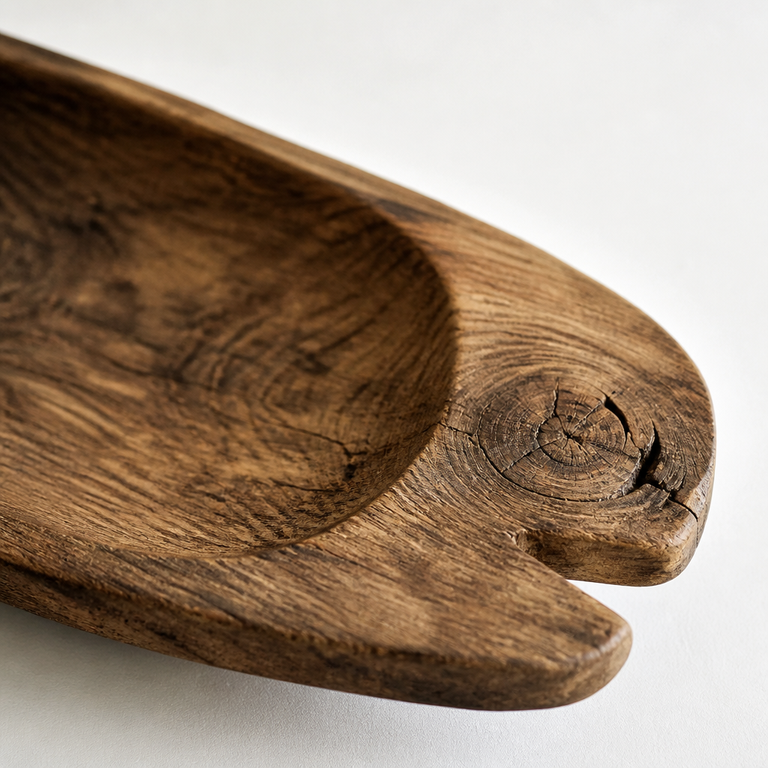
Something shifts when you hold a product and know exactly where it came from, who made it, and what forest the raw material walked out of. That is the quiet power behind made in Vermont products, and it is not nostalgia. Conscious consumers are choosing Vermont-made goods in growing numbers because the label represents a specific, verifiable set of values: sustainable sourcing, honest craftsmanship, and direct economic impact on working communities. For outdoor enthusiasts and eco-minded gift-givers, that traceability is the whole point. Generic neoprene koozies made overseas cannot compete with that story, no matter how low the price drops.
Table of Contents
- Quick Takeaways
- What "Made in Vermont" Actually Signals to a Buyer
- The Environmental Case for Buying Local
- Vermont's Forest Economy: The Numbers Behind the Trees
- How Vermont Artisan Gifts Stand Apart from Mass-Produced Alternatives
- Supporting Local Manufacturing: What Your Purchase Actually Does
- Comparison: Vermont-Made vs. Mass-Produced vs. Generic Custom
- Frequently Asked Questions
- References
Quick Takeaways
| Key Insight | Explanation |
|---|---|
| "Made in Vermont" is a traceable supply chain, not just a label | Products like TreeSleeve™ come from a specific forest in the Green Mountains, giving buyers full origin transparency that mass-produced alternatives cannot offer. |
| Local purchasing reduces transportation emissions | Buying Vermont-made goods means raw materials, production, and distribution all happen within a tight geographic loop, cutting the carbon footprint of each item significantly. |
| Vermont's forest economy supports over 9,100 direct jobs | Every hardwood product sold keeps loggers, woodworkers, and specialty craftspeople employed in Vermont communities, according to Vermont's Agency of Natural Resources. |
| Conscious consumers pay a premium for verified origin | Research shows 80% of consumers are willing to pay more for locally produced goods, with a key driver being the desire to know exactly how and where something was made. |
| Vermont artisan gifts carry a story that registers as a gift | For gift-givers targeting outdoor enthusiasts or beer lovers, a product with a real Vermont origin story lands differently than a logo-printed generic item shipped from a fulfillment warehouse. |
| Biodegradable materials close the lifecycle loop | A hardwood can insulator returns to the earth at end of life. A plastic or neoprene one does not. That difference matters to the eco-conscious buyer making a deliberate choice. |
| Local tax revenue strengthens public services | Purchases from Vermont-based makers contribute to the local tax base, funding the infrastructure and community services that make Vermont worth protecting in the first place. |
What "Made in Vermont" Actually Signals to a Buyer
The phrase carries weight because Vermont has spent decades earning it. The Green Mountain State is roughly 76 percent forested, and that land is not window dressing. It is actively managed, harvested responsibly, and transformed into products by people who live next to those forests. When a buyer sees "made in Vermont," they are reading a shorthand for something real: limited scale, hands-on production, and materials sourced close to where the product is assembled.
For eco-conscious shoppers, this matters in a way that a sustainability marketing claim from a large corporation simply does not. A corporation can print "green" on a box. A small Vermont maker can tell you the county the hardwood came from. That specificity is not incidental. It is the entire proposition.
Pro tip: When you are buying a Vermont-made gift for an outdoor enthusiast, ask the maker where the raw material originated. If they can answer that question down to the forest, you have found a product worth its price. Better Wheel VT's TreeSleeve™, for example, is crafted from hardwood sourced directly from the maker's own forest in Vermont's Green Mountains.

The "Made in Vermont" Identity Versus a Generic Origin Label
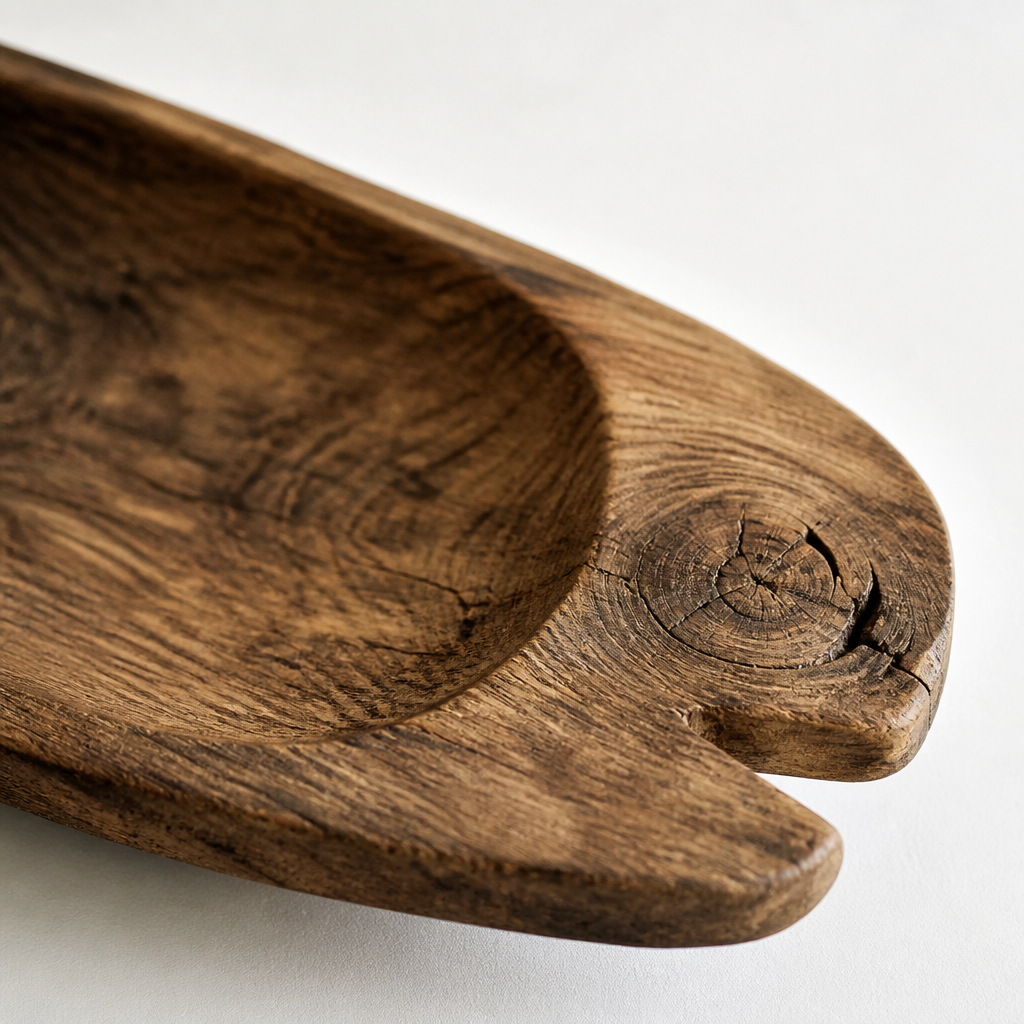
Not every "made in USA" product carries the same cultural and environmental weight as a Vermont-made one. Vermont has a specific identity built around small-scale agriculture, artisan craftsmanship, and stewardship of natural land. The state's outdoor culture, its working forests, and its reputation for quality over volume all feed into what that origin label communicates to a knowing buyer.
This is why Vermont artisan gifts travel well as presents. The recipient does not just get an object. They get a connection to a place that has meaning, and increasingly, in a world saturated with identical goods, that meaning is the differentiator.
The Environmental Case for Buying Local
Buying local reduces the number of miles a product travels from raw material to finished good to buyer. That compression of the supply chain is one of the most straightforward environmental wins available to a consumer without sacrificing product quality. Vermont's Own Gifts and Goods, a Vermont-based retailer, frames it plainly: buying local means fewer resources are spent on transportation, and that logic applies whether you are buying cheese, maple syrup, or a hardwood can insulator.
The environmental story does not stop at shipping. When a product is made from sustainably harvested Vermont hardwood, the forest that gave up that material continues to exist, absorb carbon, and support wildlife. Responsible forestry keeps the land in production without stripping it. That is a closed loop that a factory in another country operating with different environmental standards cannot replicate.
"Be conscious of the dollar T-shirt you buy, because there's a reason it's only a dollar." This principle applies to every category. Low prices on mass-produced goods externalize costs onto the environment, onto underpaid workers, and onto communities that lose manufacturing jobs. The true cost is always paid somewhere.
Biodegradability as the Final Environmental Argument
A hardwood can insulator like TreeSleeve™ is fully biodegradable. When its useful life ends, it breaks down naturally. Compare that to the standard neoprene koozie, which is a petroleum-derived foam that sits in landfill for a very long time. For a buyer who is genuinely thinking about the full lifecycle of what they purchase, this is not a minor footnote. It is a deciding factor.
The outdoor enthusiast market, in particular, understands this calculus. People who spend time in forests, on trails, and near clean water tend to think carefully about what they bring into those spaces and what happens to it afterward. A product that comes from the land and returns to the land fits that value system in a way no synthetic alternative does.
Vermont's Forest Economy: The Numbers Behind the Trees
Vermont's forest-based industries, including forestry, logging, solid wood products, furniture, and specialty woodworking, contribute approximately $1.4 billion in sales to the state's economy annually and directly employ more than 9,100 Vermonters, according to a report from Vermont's Agency of Natural Resources. When indirect and induced contributions are included, the sector supports nearly 14,000 jobs with labor income exceeding $500 million.
These are not abstract economic figures. They represent the loggers who manage Vermont's working forests, the sawmill operators who process that timber, and the craftspeople who turn it into finished goods. When you buy a Vermont-made hardwood product, you are a node in that chain. Your purchase decision has a direct and traceable economic consequence for real people in Vermont communities.
Why the Forest Needs a Market to Survive
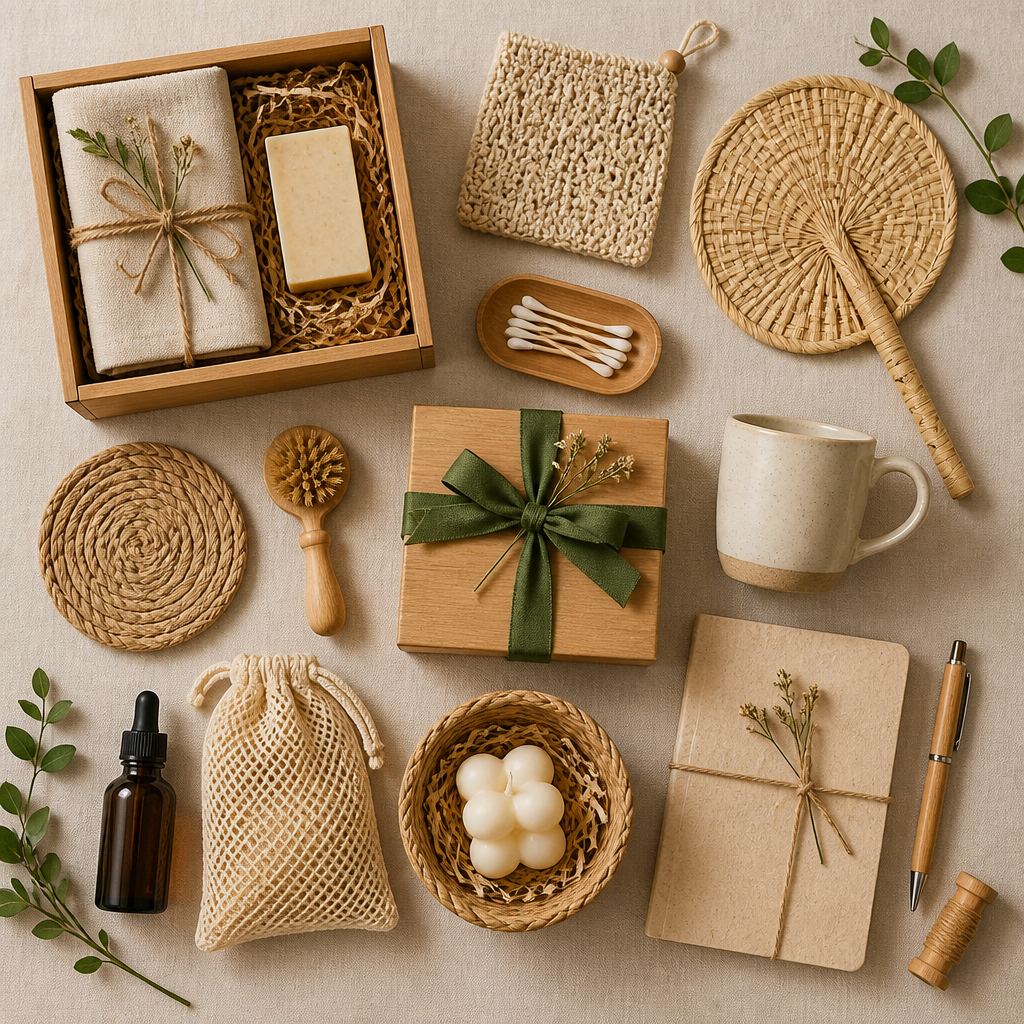
Here is the part that surprises most people: without a healthy commercial market for Vermont hardwood, the forest itself is at risk. The Vermont Sustainable Jobs Fund has documented that one of the most critical threats to Vermont's forest health is the lack of sufficient markets for harvested wood. When there is no economic reason to manage a forest, landowners have fewer tools to maintain it responsibly.
Buying Vermont hardwood products supports the economic ecosystem that keeps Vermont's forests in active, responsible management. It is a virtuous circle: a healthy market for wood products means loggers can afford to harvest sustainably, which means sawmills stay open, which means craftspeople have local material to work with, which means buyers get products with a genuine Vermont origin.
Pro tip: When comparing a Vermont hardwood product against a cheaper mass-produced alternative, add the avoided environmental cost to your mental math. A fully biodegradable, locally sourced product that costs a few dollars more is almost certainly cheaper when you account for what the cheaper option externalizes.
How Vermont Artisan Gifts Stand Apart from Mass-Produced Alternatives
Vermont has built its reputation on craftsmanship that does not cut corners. From furniture makers to cheesemakers to woodworkers, the expectation built into the Vermont-made label is that the person who made it cared about the result. That is not sentimentality. It is a real quality signal that reflects small-batch production, direct accountability, and materials chosen for performance rather than cost reduction.
For gift-givers targeting outdoor enthusiasts, this distinction is practical, not just philosophical. A hardwood can insulator crafted from solid Green Mountain hardwood looks and feels fundamentally different from a mass-produced foam sleeve. It holds its shape. It develops character with use. It is the kind of object a person keeps rather than loses in a gear bag and forgets about.
The Gift Angle: Why Vermont-Made Products Land Differently
Vermont artisan gifts carry a narrative that generic gifts cannot. When you give someone a product made from Vermont hardwood, you are giving them a connection to a specific landscape, a specific craft tradition, and a specific set of values. For recipients who care about the outdoors, that context is part of the gift itself.
Sites like Vermont Woods Studios and Vermont Country Store have built entire platforms around this insight: Vermont-made products are not just products, they are the Green Mountain State in physical form. For conscious consumers, that is the whole point of gift-giving at this price point.
Custom Options and the Problem with Generic Koozies
Custom koozies from mass-market suppliers deliver a logo on a foam sleeve. Custom Vermont artisan gifts deliver a logo on an object that already had meaning before the engraving happened. The difference in how a recipient experiences those two things is significant. One is promotional merchandise. The other is a keepsake tied to place, material, and craft.
For festival-goers, beer lovers, and outdoor enthusiasts, a handcrafted wooden can insulator with a custom design is not comparable to a standard koozie. They occupy different categories entirely, and buyers who understand that distinction will not make purchasing decisions as if they are the same thing.
Supporting Local Manufacturing: What Your Purchase Actually Does
Support local manufacturing is a phrase that gets thrown around loosely, but it has specific, concrete mechanics. When you purchase a Vermont-made product directly from a Vermont maker, a meaningful portion of that revenue stays in Vermont. It pays a Vermont craftsperson's wage. It buys materials from Vermont suppliers. It contributes to local tax revenue that funds Vermont schools, roads, and public services.
Compare that to buying from a mass-market competitor who manufactures overseas and fulfills from a distant warehouse. In that transaction, almost none of the economic value remains in the community of the buyer or the community the product claims to represent. The supply chain is designed to extract value, not circulate it.
What Happens When Local Manufacturing Disappears
Vermont has already seen this story play out in other industries. When manufacturing leaves a community, the ripple effects reach far beyond the factory floor. Suppliers lose customers. Local service businesses lose workers as clients. Tax revenue shrinks. Infrastructure deteriorates. The Fourbital Factory in Vermont, covered by Seven Days, represents the kind of intentional effort to reverse that trend by keeping apparel manufacturing local and training workers to sustain it.
The same principle applies to wood products. A small Vermont maker selling a handcrafted hardwood can insulator is not just running a business. They are maintaining a piece of Vermont's manufacturing capacity, keeping skills alive, and proving that local production can compete on quality even when it cannot compete on volume pricing.
Comparison: Vermont-Made vs. Mass-Produced vs. Generic Custom
Not all can insulators are the same, and not all "Vermont-made" claims carry equal weight. Here is how the real options stack up for a conscious consumer making a deliberate purchasing decision.
| Factor | Vermont Hardwood (e.g., TreeSleeve™) | Mass-Produced Neoprene Koozie | Generic Custom Koozie (e.g., customkoozies.com) |
|---|---|---|---|
| Material origin | Sustainably sourced Vermont hardwood, specific forest traceable | Petroleum-derived foam, origin typically unknown | Neoprene or foam, manufactured overseas, no origin disclosure |
| Biodegradability | Fully biodegradable, returns to earth at end of life | Not biodegradable, contributes to landfill | Not biodegradable, same as standard neoprene |
| Local economic impact | Directly supports Vermont craftspeople, suppliers, and tax base | Minimal local impact, value extracted by distant supply chain | Minimal local impact, custom printing does not change supply chain |
| Gift perception | Keepsake, conversation piece, carries Vermont origin story | Functional item, disposable, low perceived value as gift | Promotional merchandise feel, even with custom design |
| Environmental end-of-life | Decomposes naturally, no microplastic risk | Persists in landfill, potential microplastic contribution | Same landfill outcome as standard neoprene |
| Design specificity | Wildlife motifs, outdoor themes, custom engraving on solid wood | Generic colors, limited personalization | Custom logo possible, but applied to a generic base material |
Frequently Asked Questions
What makes a product genuinely "made in Vermont" versus just marketed that way?
A genuine Vermont-made product uses materials sourced from Vermont or the region, is assembled or crafted by people working in Vermont, and is sold by a Vermont-based business. The strongest examples, like hardwood products sourced from the maker's own Vermont forest, offer full supply chain transparency. If a brand cannot tell you where the raw material came from, the "Vermont" claim is mostly marketing.
Are Vermont-made products significantly more expensive than mass-produced alternatives?
In most cases, yes, Vermont-made artisan products carry a higher price than mass-produced alternatives. That premium reflects real costs: fair wages for skilled craftspeople, sustainably managed materials, and small-batch production without economies of scale. Research consistently shows that a large majority of conscious consumers are willing to pay more for locally produced goods, particularly when the origin story is transparent and the environmental benefit is verifiable.
How does buying local Vermont products reduce environmental impact compared to buying mass-produced goods?
Buying local compresses the supply chain, which reduces transportation emissions at multiple stages: raw material harvest to production, production to distribution, and distribution to buyer. Beyond transportation, Vermont's sustainably managed forests continue to function as carbon sinks and wildlife habitat when they are actively managed under responsible forestry practices. A synthetic product made overseas has none of those upstream environmental benefits.
Why do outdoor enthusiasts and eco-conscious shoppers specifically gravitate toward Vermont-made gifts?
Outdoor enthusiasts spend time in the landscapes that Vermont-made products come from. There is an alignment between the values of someone who hikes Vermont forests and the values embedded in a product crafted from Vermont hardwood. Eco-conscious shoppers, meanwhile, respond to the combination of traceable origin, sustainable materials, and biodegradable end-of-life that Vermont artisan products can legitimately claim. Generic alternatives offer none of those attributes.
Is a handcrafted wooden can insulator actually functional, or is it just a novelty?
A well-crafted hardwood can insulator provides genuine insulation for a standard 12 oz can, keeping drinks cooler longer than no sleeve at all. The key difference from a foam koozie is that hardwood also provides structure, durability, and a tactile experience that foam cannot replicate. It functions as an insulator and as an object worth keeping, which is why it registers as a meaningful gift rather than a throwaway promotional item.
What should I look for when shopping for Vermont artisan gifts for outdoor enthusiasts?
Look for full material transparency: where did the wood or raw material come from, and can the maker answer that question specifically? Look for biodegradable or sustainably sourced materials. Look for designs that reflect actual Vermont outdoor culture, such as wildlife motifs, forest themes, or mountain imagery, rather than generic decorations applied to a Vermont-branded product. And buy directly from Vermont makers when possible, because that is where the economic benefit of your purchase actually stays.
Have you switched from a mass-produced product to a Vermont-made alternative? Share what drove that decision in the comments below.
References
- Vermont Agency of Natural Resources: Forest and Wood Products Contributions to Vermont's Economy
- Vermont Sustainable Jobs Fund: Vermont's Forest Products Industry Overview
- Vermont's Own Gifts and Goods: Why Vermont-Made Matters
- The Roundup: Environmentally Conscious Consumer Statistics
- Seven Days Vermont: Fourbital Factory Brings Manufacturing Back to Vermont
Share:
Nature-Themed Gifts That Match an Outdoorsy Personality
Koozie vs Can Insulator vs Wooden Sleeve: The Truth