Most gifts get forgotten within a week. A generic store-bought mug, a mass-produced scented candle, a gift card that screams "I ran out of ideas" - these things land flat because they communicate nothing personal about the recipient. Personalized gifts work differently. Research from the Journal of Experimental Social Psychology found that recipients rate personalized gifts significantly higher in sentimental value than identical generic versions of the same item. The reason is psychological, not just aesthetic. When someone receives a gift that was clearly chosen or crafted with them in mind, they feel seen. That feeling is rare, and it sticks.
Table of Contents
- Quick Takeaways
- The Psychology Behind Personalized Gifts
- What Makes Custom Wooden Gifts Stand Apart
- Meaningful Gift Giving: The Real Criteria
- Personalized vs. Generic: A Direct Comparison
- Why Eco-Conscious Shoppers Choose Personalized Wooden Items
- How to Choose the Right Personalized Gift for Outdoor Lovers
- Frequently Asked Questions
- References
Quick Takeaways
| Key Insight | Explanation |
|---|---|
| Personalization signals effort | Recipients perceive a personalized gift as evidence that the giver invested real thought and time, which dramatically increases emotional value. |
| Generic gifts fade fast | Mass-produced items share no unique connection to the recipient, making them easy to discard or forget within days of receiving them. |
| Material matters for longevity | Custom wooden gifts, especially those made from sustainable hardwood, carry a physical durability that reinforces the lasting nature of the sentiment. |
| Outdoor enthusiasts respond to relevant themes | Gifts featuring wildlife motifs or outdoor imagery resonate deeply with people who define themselves by their time in nature. |
| Eco-friendliness amplifies meaning for conscious shoppers | When a personalized gift is also biodegradable or sustainably sourced, it aligns with the recipient's values, doubling its emotional resonance. |
| Keepsake potential separates good gifts from great ones | A personalized item is significantly more likely to be kept for years, making it a physical anchor for a memory or relationship. |
| Custom gifts perform better at every price point | According to consumer research, people consistently rate personalized items as higher in value than generic gifts at the same or even higher price. |
The Psychology Behind Personalized Gifts
The reason personalized gifts land harder than store-bought alternatives is not sentimental fluff. It is rooted in how humans process social recognition. When a person receives something that was clearly made or chosen specifically for them, their brain registers it as social proof that they matter to the giver. That recognition activates a deeper emotional response than receiving something anyone could have bought off a shelf.
A 2017 study published in the Journal of Consumer Psychology found that givers consistently underestimate the impact of personalized gifts. They assume the recipient cares more about monetary value or practicality. In practice, recipients care most about perceived effort. Personalization is the clearest signal of that effort.
This is why a handcrafted item with a name, a date, or a design chosen specifically for that person outperforms a luxury item that was simply expensive. Expensive signals wealth. Personalized signals attention. Attention wins every time in the emotional economy of gifting.
The Role of Identity Affirmation in Gift Reception
People do not just want gifts. They want to be understood. A gift that reflects a person's identity, whether that is their love of hiking, their commitment to sustainability, or their weekend ritual of cracking open a cold beer after a long trail run, communicates something powerful: "I paid attention to who you actually are."
This is where generically themed outdoor gifts miss the mark. A gift that says "outdoors" in a vague, mass-market way is categorically different from one that reflects a specific passion, like a TreeSleeve can insulator laser-engraved with a Vermont wildlife motif chosen because the recipient spends every August backpacking through the Green Mountains.
Pro tip: When choosing a personalized gift for an outdoor enthusiast, anchor the design to a specific place, animal, or activity they have told you about. The more specific the reference, the stronger the emotional hit.


What Makes Custom Wooden Gifts Stand Apart
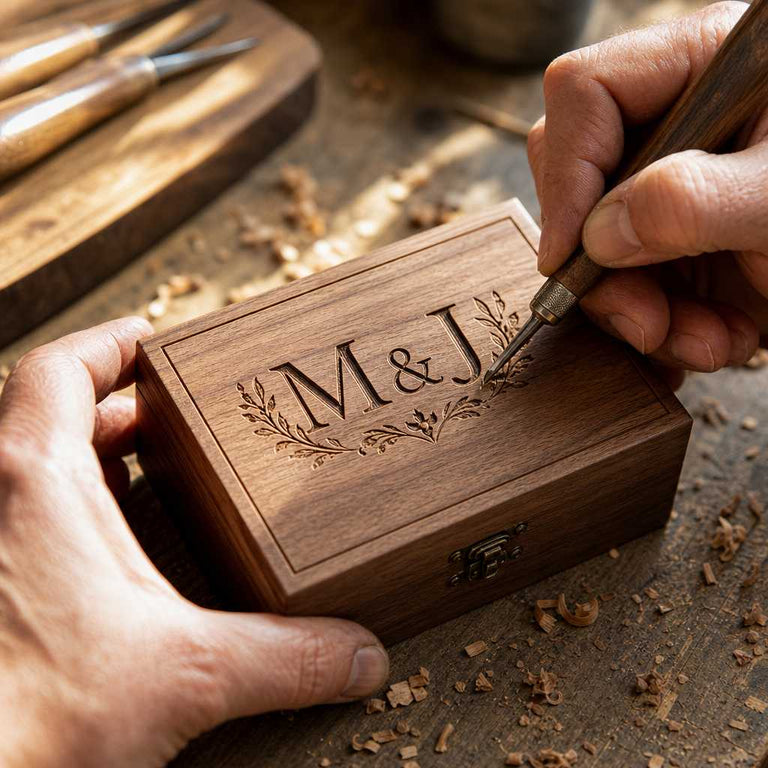
Custom wooden gifts occupy a distinct category in the personalized gift market. Wood as a material carries cultural and sensory weight that plastic, foam, or synthetic materials simply do not. It has warmth, texture, and a natural variation that makes every piece slightly unique. That inherent uniqueness reinforces the personalized nature of the gift before the recipient even reads the engraving.
In practice, hardwood items made from sustainably sourced timber, like the Vermont hardwood used in TreeSleeve can insulators, communicate a dual message: craft and conscience. The recipient feels valued not just as an individual but as someone whose giver also thought about the planet. For eco-conscious shoppers, that combination is nearly impossible to replicate with a mass-produced alternative.
Durability as an Extension of Sentiment
A foam koozie from a bulk order site will be crushed in a backpack within two camping trips. A hardwood can insulator will still be on the kitchen counter five years later. That physical durability is not just a practical benefit. It is a daily, repeated reminder of the person who gave it and the occasion it marked.
The longevity of a custom wooden item means it becomes a keepsake by default. It does not need to be framed on a wall to function as a memory anchor. It just needs to be used, and used often.
"The best gift is the one that keeps showing up in the person's daily life. It is not the most expensive thing. It is the most relevant thing." - Dr. Robyn LeBoeuf, consumer psychologist and marketing researcher at Washington University in St. Louis
Why Vermont Hardwood Carries Specific Meaning
Sustainably sourced wood from Vermont forests carries a geographic story. For recipients who care about where things come from, a product that transparently communicates its origin, its material, and its environmental footprint is a gift that tells a coherent story from forest to hand. That story is part of the gift itself, and it is one that competitors selling generic foam or neoprene insulators simply cannot tell.
Pro tip: If you are giving a TreeSleeve to someone who has hiked or traveled in Vermont, mention that the wood came from Vermont forests. That geographic connection transforms a functional item into a personal artifact.
Meaningful Gift Giving: The Real Criteria
Meaningful gift giving is not about spending more money. It is about closing the gap between what you know about a person and what you put in their hands. Most people intuitively understand this, yet they still default to generic options because personalized gifts feel harder to find or more time-consuming to order. That friction is real, but it is largely a perception problem, not an actual obstacle.
According to Statista's consumer behavior data, over 60 percent of shoppers report wanting to give more personalized gifts but cite difficulty finding the right product as the main barrier. The demand is there. The discovery problem is what separates average gift-givers from ones who are remembered.
Three Criteria a Meaningful Gift Must Meet
In practice, a gift that leaves a lasting impression consistently meets three criteria. First, it reflects something specific about the recipient, not a demographic category they happen to belong to. Second, it was chosen rather than grabbed. The recipient can sense when a decision was made deliberately. Third, it is usable in the context of the recipient's actual life, not just displayed on a shelf.
A TreeSleeve with a custom wildlife design meets all three. It is specific to outdoor identity, it is clearly a considered choice rather than a bulk-order filler, and it is used every time that person reaches for a cold drink at a campsite, a tailgate, or a backyard fire. That combination is the foundation of a gift that gets remembered and talked about.

Personalized vs. Generic: A Direct Comparison
To make this concrete, it helps to compare how personalized, semi-personalized, and generic gift options actually perform across the dimensions that matter most to gift-givers and recipients.
| Criteria | Generic Foam Koozie (bulk order) | Semi-Personalized Neoprene Sleeve (logo print) | Custom Hardwood TreeSleeve (sustainably sourced) |
|---|---|---|---|
| Perceived effort by recipient | Very low | Moderate | High |
| Material quality and longevity | Low, degrades quickly | Moderate, functional but unremarkable | High, hardwood lasts years with regular use |
| Environmental footprint | Synthetic foam, non-biodegradable | Synthetic materials, limited eco credentials | Sustainably sourced Vermont hardwood, fully biodegradable |
| Keepsake potential | Near zero | Low | High, functions as a durable daily reminder |
| Design relevance to recipient | None | Generic branding only | Custom wildlife, outdoor, or personalized motifs |
| Emotional impact at moment of receiving | Minimal | Mild | Strong, tied to identity and values of recipient |
The comparison is not close. Generic options compete on price and convenience. Custom wooden gifts like the TreeSleeve compete on every dimension that actually determines whether a gift is remembered. For gift-givers who want the recipient to feel something when they open the box, the choice is straightforward.
Why Eco-Conscious Shoppers Choose Personalized Wooden Items
For a growing segment of gift buyers, the environmental story of a product is not a bonus feature. It is a core requirement. Buying a gift made from synthetic, petroleum-derived materials for someone who composts, uses reusable bags, and spends their weekends in national forests is a subtle contradiction that eco-conscious givers notice and want to avoid.
McKinsey's research on consumer sustainability trends consistently shows that younger consumers in particular make purchasing decisions based on brand values alignment, not just product features. A personalized gift that is also sustainably sourced and fully biodegradable speaks to the recipient's identity at two levels simultaneously: it says "I know what you love" and "I share what you believe."
The Competitive Gap Between Sustainable and Synthetic Options
Sites like cooziecooler.com and koozieking.com offer bulk, semi-customizable options in foam and neoprene. Those products serve a functional purpose at scale, particularly for promotional events. But they cannot claim a sustainability story. The materials are synthetic, the production is industrial, and the biodegradability is essentially zero.
For a gift-giver who wants something that reflects both personal attention and environmental awareness, the hardwood TreeSleeve from Better Wheel VT is a categorically different product. It is not competing in the bulk-order koozie market. It occupies the space where craftsmanship, personalization, and sustainability intersect, and that intersection is exactly where eco-conscious gift shoppers are looking.
How to Choose the Right Personalized Gift for Outdoor Lovers
Outdoor enthusiasts are a specific audience, and they have strong opinions about authenticity. A gift that feels designed by someone who has never been outside the city limits will register as hollow even if it is technically personalized. Getting it right means thinking about the actual life and habits of the recipient, not just the category they fall into.
Start with activities, not aesthetics. Does this person fish, hike, kayak, or camp? Do they have a home state or a specific mountain range they return to every year? Those specifics should drive the design choice. A TreeSleeve featuring a Vermont black bear motif means something specific to someone who hikes the Long Trail. A generic mountain silhouette means considerably less.
Timing and Occasion Matter More Than Price
A common mistake gift-givers make is defaulting to the most expensive option in a category when timing and relevance would have done more work. A thoughtfully chosen personalized gift given at the right moment, before a camping trip, at a birthday celebration for an avid trail runner, or as a farewell to a coworker who is moving closer to the mountains, will outperform a pricier generic gift given at any random occasion.
The occasion anchors the memory. The personalization deepens it. The quality of the material, in the case of hardwood, extends it. All three working together is what separates a gift that ends up in a junk drawer from one that ends up in a camping kit for the next ten years.
Pro tip: For festival-goers and outdoor event attendees, a personalized wooden can insulator is one of the few functional gifts that gets used on the day it is received, making the emotional impact immediate rather than delayed.
Frequently Asked Questions
Are personalized gifts actually more appreciated than expensive generic ones?
Yes, and the research is consistent on this point. Studies in consumer psychology show that recipients value perceived effort above monetary spend. A personalized item at a moderate price point regularly outscores an expensive but impersonal gift in recipient satisfaction ratings. The key variable is specificity: the more the gift reflects something real about the recipient's life, the higher it scores emotionally.
What makes a custom wooden gift more meaningful than a printed photo gift?
Photo gifts communicate familiarity, but wooden gifts communicate craft. A hardwood item made from sustainably sourced material carries sensory and tactile qualities that a printed photo frame or mug cannot replicate. It also tends to be more functional in outdoor or active lifestyles, which means it is encountered repeatedly rather than displayed once and forgotten. Repeated use is what cements a gift in memory.
How do I personalize a gift for someone who is hard to shop for?
Focus on identity over interests. Most people who are hard to shop for resist category-based gifts because they feel generic even when themed correctly. Instead, think about a specific moment, place, or value the person has expressed. An outdoor enthusiast who mentioned a specific hiking trail or a favorite animal is giving you the exact information you need. A TreeSleeve with a design anchored to that specific detail will land far better than a hiking-themed gift basket from a department store.
Is a personalized gift appropriate for professional or formal occasions?
It depends on the relationship and the level of personalization. A custom item with someone's name or initials is appropriate in most professional contexts. A design that reflects a deeply personal hobby or lifestyle is better suited for someone you know well. For professional gifting, sustainably crafted items with clean designs and minimal but thoughtful personalization, like initials or a significant year, strike the right balance between thoughtfulness and appropriateness.
Why do outdoor-themed personalized gifts work so well for adventure lovers?
Because outdoor identity is central to how adventure lovers define themselves. For someone who spends significant time hiking, camping, or fishing, their outdoor life is not a hobby. It is a core part of who they are. A gift that reflects that identity affirms something fundamental about them. It says the giver paid attention to the part of the person's life that matters most, not just what was easy to buy. That is the definition of meaningful gift giving.
What should I look for in a personalized gift that is also eco-friendly?
Look for transparency in three areas: material sourcing, manufacturing process, and end-of-life biodegradability. A product that can clearly state where its materials come from, how it was made, and what happens to it when it is no longer usable is operating with a genuine sustainability commitment. Sustainably sourced Vermont hardwood checked against all three of those criteria is categorically different from a product with green branding but a synthetic construction.
What is your experience with giving or receiving personalized gifts? Have you found that a specific design or material made the difference in how much it was appreciated? Share your thoughts below.
References
- Statista consumer research on personalized gift purchasing behavior and market trends
- McKinsey research on consumer sustainability values and eco-conscious purchasing decisions
- Forbes coverage of personalized gifting trends and consumer psychology in retail
- Harvard Business Review analysis of perceived effort and emotional value in gift-giving relationships
- American Psychological Association research on identity affirmation and social recognition through personalized gifts
Share:
TreeSleeve™ Sustainable Manufacturing: Forest to Hands
The Complete Guide to Eco-Friendly Tailgating