

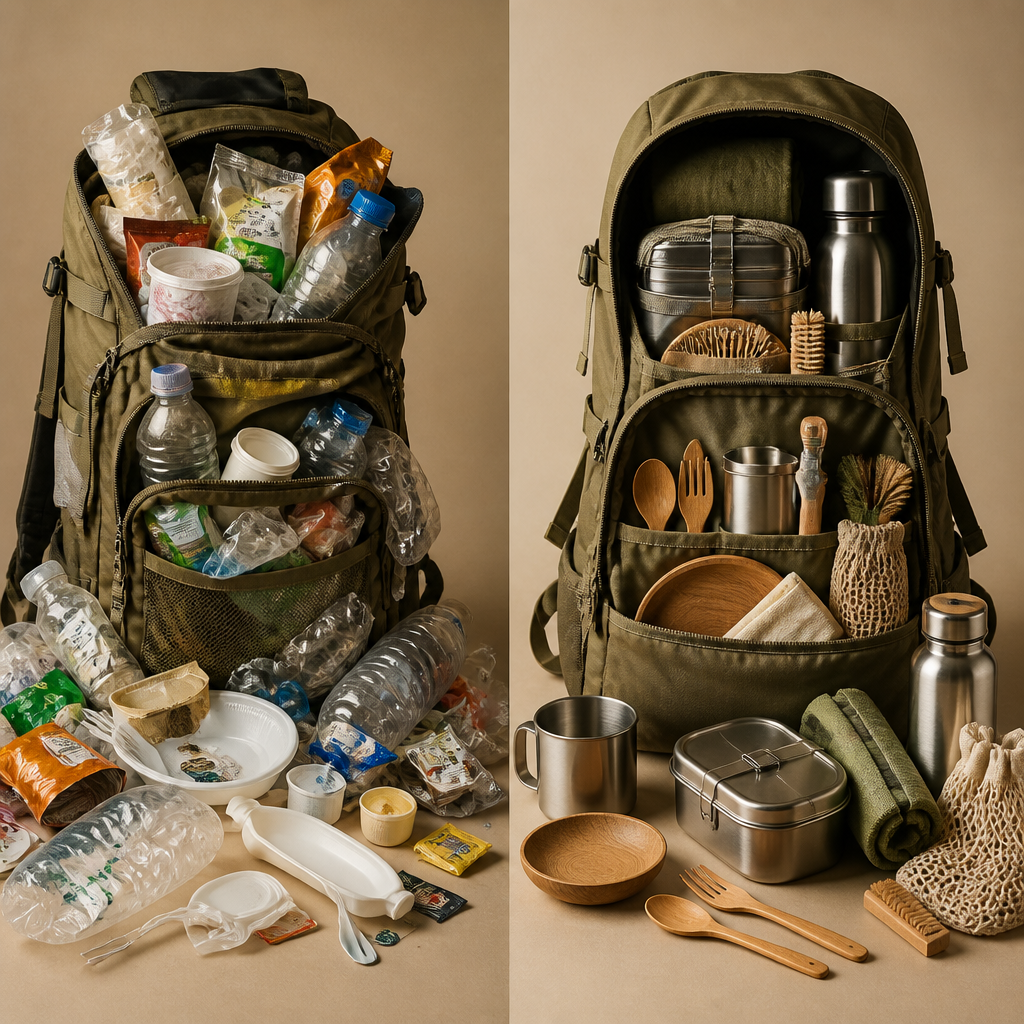
Most campers pack with good intentions and leave behind a trail of single-use plastic, synthetic soap runoff, and gear destined for landfill. If you have spent any time on a trail after a busy weekend, you already know the damage looks far worse than the average camper admits. Building a genuine zero waste camping gear kit is not about buying the most expensive recycled-label products. It is about choosing every item with the full lifecycle in mind, from sourcing to disposal, so the places you love look the same the next time you show up.
Table of Contents
- Quick Takeaways
- What Zero Waste Camping Actually Means
- The Core Leave No Trace Accessories Every Kit Needs
- Building Your Eco Camping Kit Category by Category
- Comparing Your Zero Waste Options
- The One Item Most Eco Campers Overlook
- Frequently Asked Questions
- References
Quick Takeaways
| Key Insight | Explanation |
|---|---|
| Biodegradable does not mean disposable at will | Biodegradable products like plant-based soaps still need to be used at least 200 feet from water sources to comply with Leave No Trace principles. |
| Reusable beats recycled every time | A reusable item you carry for five years has a far lower footprint than a single-use product made from recycled content, no matter how green the label looks. |
| Durability is the most sustainable feature | Gear that lasts a decade prevents the waste created by replacements. Prioritize construction quality over eco-marketing claims. |
| Natural materials can outperform synthetics | Sustainably sourced hardwood, organic cotton, and plant-based composites can match or exceed the performance of synthetic alternatives without shedding microplastics. |
| Drink insulation is a stealth waste source | Disposable cozies, foam insulators, and single-use beverage sleeves pile up fast. A fully biodegradable wood insulator is both functional and completely waste-free at end of life. |
| Certifications matter for social and environmental claims | Look for Fair Trade, B Corp, or certified sustainable forestry labels. They signal accountability, not just marketing. |
| Local sourcing cuts supply chain emissions | Gear made from locally sourced materials, like Vermont hardwood, reduces transportation emissions and supports regional economies compared to globally shipped alternatives. |
What Zero Waste Camping Actually Means
Zero waste camping is not a purity contest. You are not going to carry out every molecule of carbon dioxide your campfire produces. What the philosophy actually demands is that every item you bring to a campsite is either reusable, compostable, or made in a way that does not accelerate environmental degradation. That is a realistic standard, and it starts with auditing what you currently pack.
The biggest sources of camp waste are not the obvious ones. Most campers already pack out their trash bags. The real culprits are the items that seem minor: foam drink koozies that crack and get tossed, synthetic soap that runs into the nearest stream, wet wipes that do not break down, and single-serving packaging that accumulates faster than anyone tracks. A zero waste camping gear kit closes all of those gaps systematically.
Leave No Trace principles provide the clearest framework here. The organization's guidelines cover waste disposal, water protection, and material choices in a way that translates directly into a packing checklist. Every item in your kit should pass a simple test: if it ends up in the environment, does it cause lasting harm? If the answer is yes, find a substitute before your next trip.
The most sustainable piece of gear is the one you already own and maintain well. Buying new eco-labeled products you do not need is still consumption. Repair, reuse, and replace only when necessary.
Pro tip: Do a full pack audit before your next trip. Lay everything out and ask of each item: is it reusable, is it biodegradable, and is it necessary? You will likely find at least five items that fail all three criteria.


The Core Leave No Trace Accessories Every Kit Needs
A well-built eco camping kit is not a single product category. It spans everything from how you wash your hands to how you keep your drink cold. The following categories represent the non-negotiable pieces of a genuinely low-impact camp setup.
Biodegradable Soap and Hygiene Products
Biodegradable outdoor soap, such as options with plant-based formulas, is designed to break down without fouling waterways when used correctly. The important word there is correctly. Biodegradable soap still needs to be applied well away from streams, lakes, and wetlands. The soil acts as a filter; open water does not. Pack a concentrated formula that requires only a small amount per use and works in any water temperature.
For personal hygiene beyond soap, look at compostable wipes made from plant-based fibers, and reusable hygiene cloths. A product like the PACT Lite Bathroom Kit, which includes mycelium tabs and plant-based wipes, is designed specifically for fast decomposition in outdoor environments. Reusable pee cloths made from advanced textiles with absorbent inner layers and moisture-resistant outer layers eliminate an entire category of waste that most campers do not even think about.
Reusable Cookware and Utensils
Lightweight titanium or stainless steel cookware lasts indefinitely and produces zero ongoing waste. Single-use utensils, even compostable ones, add up over a camping season. A compact spork, a single pot, and a reusable mug cover the vast majority of trail cooking needs. Multi-functional utensils like the humangear GoBites Uno reduce the number of items you carry while eliminating single-use waste entirely.
Natural Insect Repellent
Synthetic DEET-based repellents are effective but contribute chemical runoff when they wash off in natural water sources. Organic alternatives, such as those using plant-derived active ingredients, reduce that impact without sacrificing protection for most camping conditions. Products from brands like Badger, which use organic formulations, are a direct swap that carries no performance trade-off for typical outdoor use.
Waste Management and Pack-Out Supplies
A dedicated waste bag system is non-negotiable. That means separate bags for recyclables, compostables, and true landfill waste, and the discipline to use them. Lightweight, reusable stuff sacks work fine. The gear itself is not the problem here. Consistency is.
Pro tip: Pre-sort your food by removing excess packaging before you leave home. Transferring food into reusable containers before the trip is one of the single highest-impact things you can do to reduce pack-out waste.
Building Your Eco Camping Kit Category by Category
A practical eco camping kit is built in layers. Start with the gear that touches the environment most directly, then work outward toward comfort items and personal gear. Prioritizing by environmental contact point keeps you focused on impact rather than aesthetics.
Shelter and Sleep Systems
Tents and sleeping bags represent some of the largest material investments in any camp kit. Look for tents made from recycled fabrics or plant-based materials and sleeping bags insulated with recycled fill rather than virgin synthetic materials. Some brands now use recycled post-consumer plastics as the primary insulation source, which maintains warmth while diverting material from landfill. Durability is the top priority here. A well-maintained tent that lasts fifteen years beats a greenwashed disposable alternative in every environmental metric.
Lighting and Power
Solar-powered lanterns and headlamps with rechargeable batteries eliminate disposable battery waste entirely. Emergency LED lamps powered by saltwater electrolyte reactions are a newer option that produces no battery waste at all and functions in wet conditions. These are not just novelties. For multi-day backcountry trips, they are a genuinely functional alternative to disposable battery systems.
Clothing and Layering
Synthetic fleece is warm and lightweight, but it sheds microplastics with every wash and every rain shower. Wool and plant-based fabrics are better choices for base layers when performance requirements allow. Merino wool, in particular, regulates temperature across a wide range of conditions, resists odor without synthetic treatments, and biodegrades at end of life. It costs more upfront. Over a decade of use, it is the more economical and more sustainable choice.
Drinkware and Beverage Insulation
Drink insulation is the most overlooked waste category in camping gear conversations. Foam and neoprene koozies degrade over time, crack in cold weather, and end up in landfill. Most are made from petrochemical-derived materials with no viable end-of-life pathway. The TreeSleeve by Better Wheel VT solves this directly. Crafted from sustainably sourced Vermont hardwood, it is fully biodegradable, built to last through seasons of outdoor use, and available in designs that reflect the outdoor environment you are actually camping in. It is also locally made, which cuts the supply chain footprint that most camp gear accumulates before it ever reaches a store shelf.
Comparing Your Zero Waste Options
Not all approaches to building a zero waste kit are equal. The table below compares three real strategies campers use, across the dimensions that matter most for genuine environmental impact.
| Approach | Strengths | Limitations |
|---|---|---|
| Buy recycled-label gear from major outdoor retailers | Wide availability, often high performance, some meaningful material diversion from landfill | Recycled synthetics still shed microplastics. Supply chains are often global with high transport emissions. End-of-life disposal is rarely addressed. |
| Build a fully reusable, repair-focused kit from durable materials | Lowest long-term waste output, highest durability, best lifecycle economics | Higher upfront cost. Requires maintenance knowledge. Some categories (shelter, insulation) have fewer natural-material options at performance tier. |
| Prioritize locally sourced, biodegradable, and natural-material products | Lowest supply chain emissions. Fully circular at end of life. Supports regional economies and small manufacturers like Better Wheel VT. | Requires research to find suppliers. Some product categories have fewer options. May require blending with durable synthetics for technical gear needs. |
In practice, the best kit combines all three approaches. Use durable synthetic shelter systems that will last decades, fill your hygiene and consumable categories with biodegradable options, and prioritize locally sourced natural materials wherever a product has an end-of-life problem, which is most of them.
The One Item Most Eco Campers Overlook
Spend any time in eco camping communities and you will find detailed discussions of solar panels, composting toilets, and recycled fleece. You will rarely find a serious conversation about drink insulation, which is quietly one of the most persistent single-use waste streams at any campsite or festival.
The math is simple. A foam koozie has a usable life of roughly one to two seasons before it degrades. It is made from petrochemical foam. It cannot be composted, recycled, or repurposed. Multiply that by a group of four campers over a decade of trips and you have generated a meaningful pile of landfill material from one of the smallest items in your pack.
The TreeSleeve from Better Wheel VT is the most direct answer to this problem currently available. It is carved from sustainably harvested hardwood sourced from Vermont forests, making it fully biodegradable when it eventually reaches the end of its life. The construction is robust enough for repeated outdoor use, and the designs, which include wildlife motifs and outdoor themes, are built for campers and nature lovers rather than mass-market retail. For anyone building a leave no trace accessories kit with serious intent, swapping a foam koozie for a TreeSleeve is a straightforward, low-cost improvement that closes a gap most eco gear guides never mention.
It also makes an excellent gift for the outdoor enthusiasts in your circle who claim to have everything. It is specific, functional, and connected to the Vermont forests and natural landscapes that serious campers spend their time trying to protect.
Pro tip: When gifting eco camping gear, choose items that replace something the recipient already uses rather than adding to their kit. A TreeSleeve replaces a disposable foam koozie. A reusable spork replaces a drawer full of plastic utensils. Subtraction is the point.
Frequently Asked Questions
What is the most important first step in building a zero waste camping gear kit?
The most important first step is auditing what you already own. Before buying anything new, identify which items in your current kit are single-use, synthetic-only, or have no viable end-of-life pathway. Replace those items first. Adding new eco-labeled products to a kit full of waste-generating gear does not reduce your footprint meaningfully.
Is biodegradable soap actually safe to use at a campsite?
Biodegradable soap is safer than conventional soap for the environment, but it must be used correctly. It should always be applied at least 200 feet from any water source, including streams, lakes, and wetlands. The soil microbiome breaks it down. Open water cannot. Using biodegradable soap directly in or near a water source still causes harm, regardless of the label.
What makes a wood can insulator like TreeSleeve better than a neoprene koozie?
A neoprene or foam koozie is made from petrochemical-derived materials that cannot be composted or recycled at end of life. They degrade into waste within one to two seasons of regular use. A TreeSleeve is made from sustainably sourced Vermont hardwood, is fully biodegradable, and is built to last through years of outdoor use. The entire lifecycle is cleaner, from sourcing through disposal.
Are recycled-material camping products genuinely more sustainable?
They can be, but the answer depends on the full lifecycle. A recycled synthetic fleece still sheds microplastics in the wash. A recycled plastic tent still cannot be composted at end of life. Recycled content is a meaningful improvement over virgin synthetic materials, but it is not the same as choosing natural, biodegradable, or reusable alternatives. Use recycled-content gear where durability is the priority and natural materials cannot meet performance requirements.
How do I manage food waste while leave no trace camping?
Remove all excess packaging before you leave home. Transfer food into reusable containers. Pack a dedicated waste sorting system with separate bags for compostables, recyclables, and landfill items. Compostable food scraps should be packed out in most Leave No Trace contexts rather than buried, because burial does not prevent wildlife disturbance and decomposition rates vary widely by environment.
What certifications should I look for when buying eco camping gear?
Fair Trade and B Corp certifications indicate accountability for labor practices and supply chain transparency. For wood and paper products, look for Forest Stewardship Council (FSC) certification, which signals that materials were sourced from responsibly managed forests. For fabrics, Global Organic Textile Standard (GOTS) certification covers organic content and processing standards. These certifications are not perfect, but they are meaningfully better than unverified marketing claims.
What does your current camp kit look like, and which item do you find hardest to replace with a lower-waste alternative? Share your experience in the comments.
Share:
TreeSleeve™: Best Groomsmen Gift for Outdoor Weddings
Best Can Cooler for Outdoors: What Really Matters