Introduction
Finding eco-friendly gifts for campers that people will actually use on the trail is harder than it sounds. Most "green" gift guides are packed with single-use gimmicks wrapped in recycled packaging. The outdoor community deserves better. According to Statista, the global sustainable goods market is projected to surpass $150 billion by 2025, yet the majority of products marketed as eco-friendly still rely on plastics or synthetic materials. This guide cuts through the noise and focuses on gifts that genuinely reduce environmental impact, look good, and hold up under real outdoor conditions.
Table of Contents
- Introduction
- Quick Takeaways
- Why Sustainable Outdoor Gifts Matter
- Top Eco-Friendly Gifts for Campers
- Gifts for Hikers That Leave No Trace
- How These Gift Types Stack Up
- What to Avoid When Buying Sustainable Outdoor Gifts
- Frequently Asked Questions
- References
Quick Takeaways
| Key Insight | Explanation |
|---|---|
| Materials matter more than marketing | Look for gifts made from natural, biodegradable, or sustainably sourced materials like hardwood, beeswax, or organic cotton. Avoid products that claim "eco" status based only on packaging. |
| Functional beats decorative | Campers and hikers want gear that earns its weight. The best sustainable outdoor gifts serve a daily function, like keeping drinks cold or replacing single-use plastics at camp. |
| Hardwood insulators outperform foam koozies outdoors | Foam neoprene koozies degrade slowly and often end up as litter. A hardwood can insulator like TreeSleeve from Better Wheel VT is fully biodegradable and far more durable at the campsite. |
| Customization adds perceived value | Outdoor enthusiasts are more likely to keep and use a gift that reflects their personality. Custom engraving or wildlife motifs on a product increases its emotional connection. |
| Vermont-sourced hardwood is a credible sustainability story | Gifts with a traceable, regional supply chain carry more weight than vague "sustainable" claims. Buyers increasingly want to know where materials come from. |
| Festival and camping occasions overlap | Many outdoor enthusiasts attend music festivals and camping trips interchangeably. A practical, eco-friendly item like a wooden can sleeve works equally well in both settings. |
| Price point under $40 drives impulse gifting | Most sustainable outdoor gifts that convert well as gifts sit in the $15 to $40 range. Below $15, quality suffers. Above $50, buyers hesitate unless there is a strong story attached. |
Why Sustainable Outdoor Gifts Matter
The people who spend weekends on trails and at campsites are often the most aware of environmental damage. They see it firsthand. Littered trailheads, microplastic-polluted lakes, and overcrowded national parks have made outdoor enthusiasts a community that takes Leave No Trace principles seriously.
This is exactly why generic foam koozies and plastic knick-knacks fall flat as gifts for this crowd. A gift that contradicts the recipient's values is not just useless, it is tone-deaf. Sustainable outdoor gifts signal that the giver paid attention.

The data backs this up. According to a Nielsen report cited by Forbes, 73 percent of global consumers say they would definitely or probably change their consumption habits to reduce environmental impact. That number skews even higher among adults aged 25 to 40, which overlaps almost exactly with the core demographic of active hikers and campers.
Giving a gift that aligns with those values is not just thoughtful. It is the smarter choice when you want the gift to actually be used and remembered.
Top Eco-Friendly Gifts for Campers
These are the gifts that perform in real outdoor settings. Every recommendation here is based on durability, biodegradability, and genuine usefulness at a campsite, not just aesthetics.
Hardwood Can Insulators
The TreeSleeve from Better Wheel VT is one of the most thoughtful eco-friendly gifts for campers available right now. It is crafted from sustainably sourced Vermont hardwood, fully biodegradable, and built to keep canned beverages cold in the field. Unlike neoprene or foam alternatives sold by competitors like cooziecooler.com or koozieking.com, a hardwood sleeve does not end up as microplastic in a river after it wears out.
In practice, campers appreciate products that work as well around a fire pit as they do at a tailgate. The TreeSleeve fits that brief precisely. It also comes in outdoor themes and wildlife motifs, which makes it genuinely giftable rather than just practical.
Pro tip: If you are buying for someone who camps frequently with a group, consider a custom-engraved TreeSleeve with their trail name or a design tied to their favorite outdoor destination. Custom options are available at Better Wheel VT and dramatically increase the personal connection to the gift.
Beeswax Food Wraps
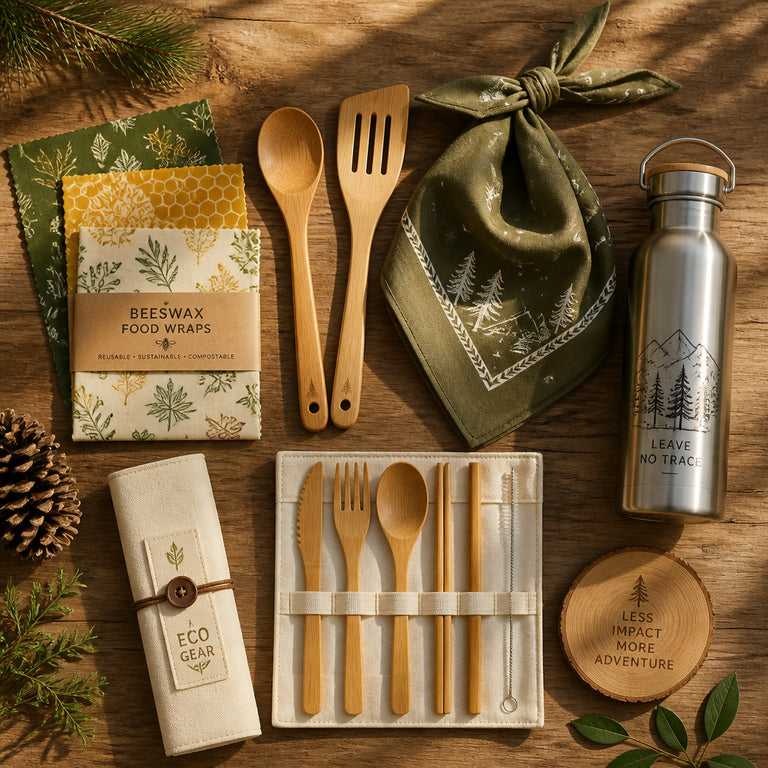
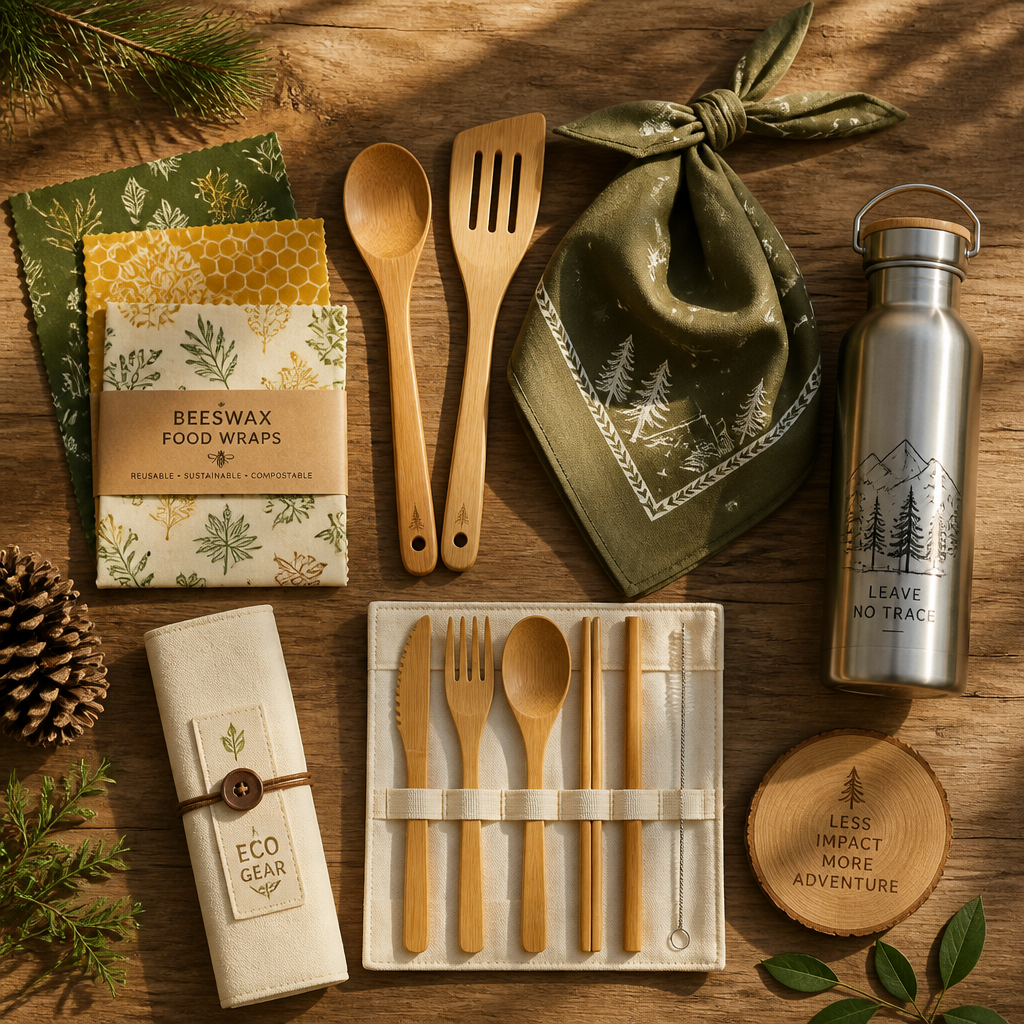
At the campsite, single-use plastic wrap is one of the most common forms of waste. Reusable beeswax wraps are washable, compostable, and made from natural materials. They work well for wrapping sandwiches, covering bowls, and storing snacks on multi-day trips. Look for wraps made with certified organic cotton and sustainably sourced beeswax.
Bamboo or Stainless Steel Utensil Sets
Plastic cutlery at camp is an easy habit to break when you give someone a proper reusable set. Bamboo utensil kits are lightweight and compostable. Stainless steel versions last longer and handle heat better for campfire cooking. Either is a meaningful upgrade from disposables.
Organic Cotton or Merino Wool Beanies and Buffs
Head layers get used on nearly every camping or hiking trip. Organic cotton and merino wool options avoid synthetic fibers that shed microplastics during washing. They also tend to regulate temperature better than fleece alternatives, which makes them practical rather than just principled.
Gifts for Hikers That Leave No Trace
Gifts for hikers need to pass one practical test: would someone actually carry this in a pack? Weight, packability, and durability are the filters. Most hikers are brutal about cutting gear that does not earn its place.
Solar-Powered Lanterns and Chargers
Compact solar lanterns eliminate the need for disposable batteries on multi-day trips. They fold flat, charge via sunlight during the day, and provide enough light for cooking and reading at night. Models that also double as phone chargers are especially valued by hikers who use GPS apps in the backcountry.
Recycled or Natural Fiber Tote and Stuff Sacks
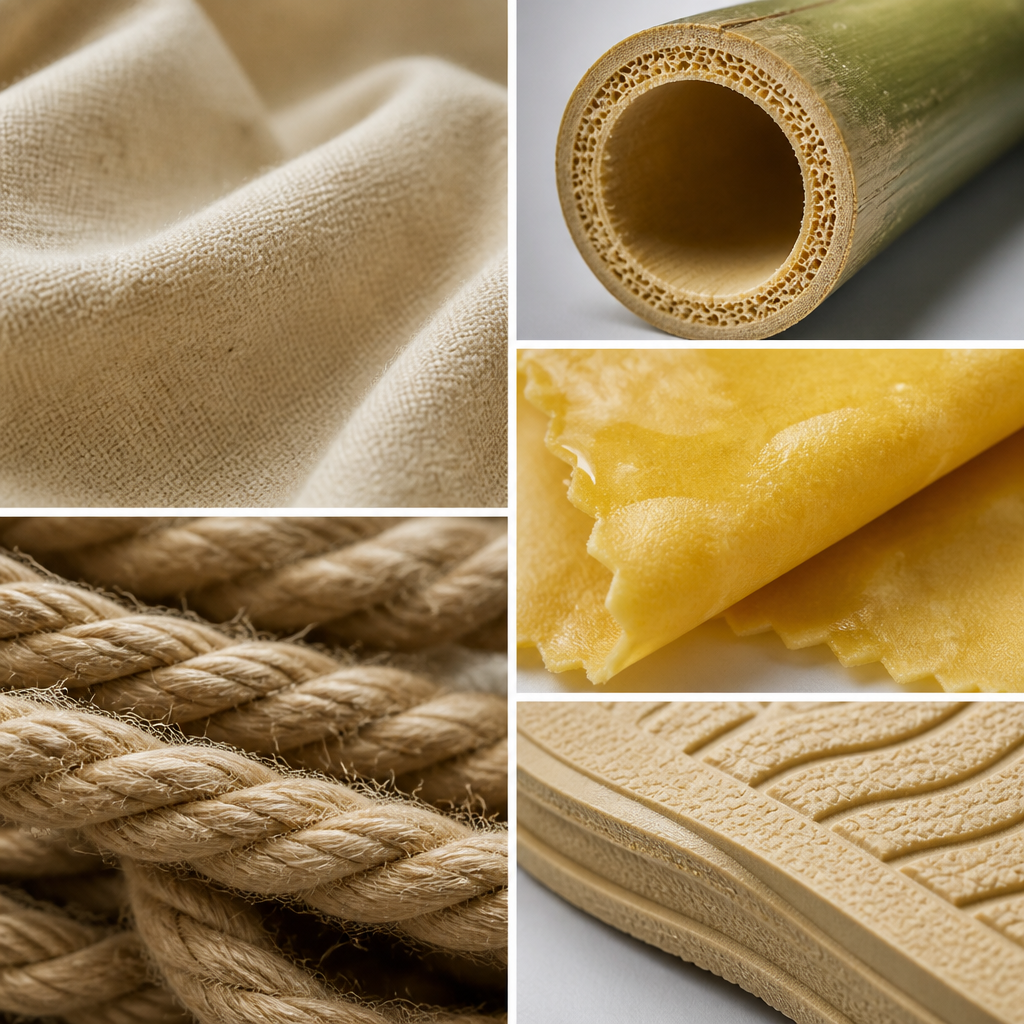
Lightweight stuff sacks made from recycled nylon or organic cotton keep gear organized without adding synthetic litter risk. They replace plastic zip-lock bags for food storage, wet gear, and trash collection. A set of three or four in different sizes is immediately useful on any trip.
Wooden or Cork Trekking Accessories
Cork and hardwood accessories, from journal covers to cup sleeves, are increasingly popular among hikers who want to reduce plastic in their kit. A hardwood can insulator like the TreeSleeve from Better Wheel VT fits this category well. It is light enough to carry on day hikes and durable enough for weekend trips.
"The best outdoor products are the ones you forget are there because they just work. When they also happen to be sustainable, that is a genuine bonus for the trail and the planet." - Patagonia Environmental Grants Program, referenced in their public materials on gear responsibility.
Biodegradable Soap and Personal Care Products
Camp soap that is certified biodegradable is a practical gift any hiker will use. Brands certified by the Environmental Working Group or similar organizations ensure the formula breaks down safely in natural environments. Bonus points for packaging in compostable or zero-waste containers.
Pro tip: Pair a biodegradable soap set with a small bamboo washcloth or natural loofah. The total gift cost stays under $30, it packs flat, and it signals that you understand Leave No Trace principles.
How These Gift Types Stack Up
Not all eco-friendly outdoor gifts deliver equal value. Here is a direct comparison across three common gift categories to help you choose the right one for your recipient.
| Gift Type | Sustainability Credentials | Practical Value for Campers and Hikers |
|---|---|---|
| Hardwood Can Insulator (TreeSleeve by Better Wheel VT) | Sustainably sourced Vermont hardwood, fully biodegradable, no synthetic materials | High. Used every time someone cracks a cold drink at camp. Works at festivals and tailgates too. |
| Foam or Neoprene Koozie (standard competitor product) | Low. Neoprene is a synthetic rubber that does not biodegrade. Often ends up as campsite litter. | Moderate. Functional but generic. No emotional connection and poor sustainability story. |
| Recycled Plastic Water Bottle | Moderate. Recycled content is a positive, but the product is still plastic and will eventually become waste. | High for hydration. Lower for uniqueness as a gift, since most hikers already own one. |
What to Avoid When Buying Sustainable Outdoor Gifts
A common mistake is buying something labeled "eco" without checking what the product is actually made of. Greenwashing is rampant in the outdoor gift market. Products with vague claims like "nature-inspired" or "earth-friendly" that are still made from virgin plastics or synthetic composites are not sustainable gifts. They are just branded differently.
Avoid gifts that require disposable components to function, such as products that need proprietary cartridges, filters that cannot be recycled, or batteries that are not rechargeable. These shift the environmental cost downstream and tend to frustrate outdoorsy recipients who are already conscious about waste.
Also skip novelty items with no practical use. Campers and hikers have limited storage. A decorative object with no trail function is likely to sit in a drawer. The best sustainable outdoor gifts are used repeatedly, which is what makes them genuinely low-impact over time.
Finally, do not underestimate the importance of a credible supply chain story. A product made from sustainably harvested Vermont hardwood, like the TreeSleeve, carries a narrative that a shopper can share when giving the gift. That story is part of the gift. Products sourced from unknown overseas factories with recycled packaging but no traceable materials cannot compete with that level of authenticity.
Frequently Asked Questions
What makes a gift truly eco-friendly for outdoor use?
A genuinely eco-friendly outdoor gift is made from materials that are biodegradable, recycled, or sustainably sourced, and it serves a real function in outdoor settings. It avoids synthetic materials that shed microplastics, does not rely on disposable components, and ideally has a traceable supply chain. The TreeSleeve from Better Wheel VT checks all of these boxes because it is made from sustainably sourced Vermont hardwood and is fully biodegradable.
Are wooden can insulators practical for camping and hiking?
Yes, and more so than most people expect. Hardwood insulators like the TreeSleeve are durable enough for repeated outdoor use, light enough to carry in a day pack, and they insulate canned drinks effectively. They also look far better than foam alternatives, which matters when you are sharing a campsite or attending an outdoor festival.
What is the difference between sustainable outdoor gifts and regular outdoor gear?
The difference comes down to materials and end-of-life impact. Regular outdoor gear prioritizes performance and often uses synthetic materials like nylon, polyester, or neoprene. Sustainable outdoor gifts prioritize natural or recycled materials that reduce long-term environmental impact. The best gifts manage to do both, delivering real performance from genuinely low-impact materials.
How much should I expect to spend on a quality eco-friendly gift for a hiker or camper?
The sweet spot for sustainable outdoor gifts that balance quality and gifting value is between $20 and $45. Below that range, material quality tends to drop sharply. Above $50, you are usually moving into full gear purchases rather than gift territory. A hardwood can insulator like the TreeSleeve sits comfortably within this range and offers a premium feel at an accessible price.
Why is neoprene problematic for eco-conscious outdoor gifts?
Neoprene is a synthetic rubber derived from petroleum-based chemicals. It does not biodegrade, and when it degrades physically, it breaks into smaller synthetic particles that persist in soil and water. For someone who spends time in nature and cares about Leave No Trace principles, a neoprene koozie is a contradictory gift. Hardwood or natural fiber alternatives avoid this problem entirely.
Can I find custom eco-friendly gifts for campers with personalized designs?
Yes. Better Wheel VT offers custom options for their TreeSleeve hardwood can insulators, including wildlife motifs and outdoor themes. Custom engraving adds a personal touch that makes the gift more memorable and more likely to be used and kept. Customkoozies.com and similar competitors do offer customization, but their products are typically synthetic and not biodegradable.
If you have given or received an eco-friendly gift on a camping or hiking trip, share what worked and what did not in the comments below.
References
- Statista: Global sustainable and green product market size data and consumer behavior statistics
- Forbes: Consumer research on sustainable purchasing habits and eco-conscious spending trends
- U.S. Environmental Protection Agency: Guidelines on biodegradable materials and outdoor waste reduction
- National Park Service: Leave No Trace principles and responsible outdoor recreation practices
- Environmental Working Group: Product certification standards for biodegradable and non-toxic outdoor goods
Share:
8 Reasons to Ditch Foam Koozies and Go Biodegradable
How to Choose the Perfect Custom Can Insulator